Asphodelus, Genus, spp., Multiple species,
- Genus
- Multiple species
asphodels
Mediterranean, Western Asia, Indian subcontinent
Overview
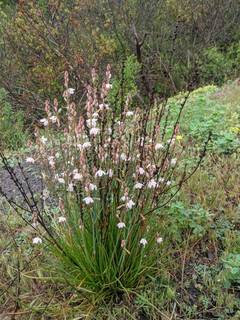
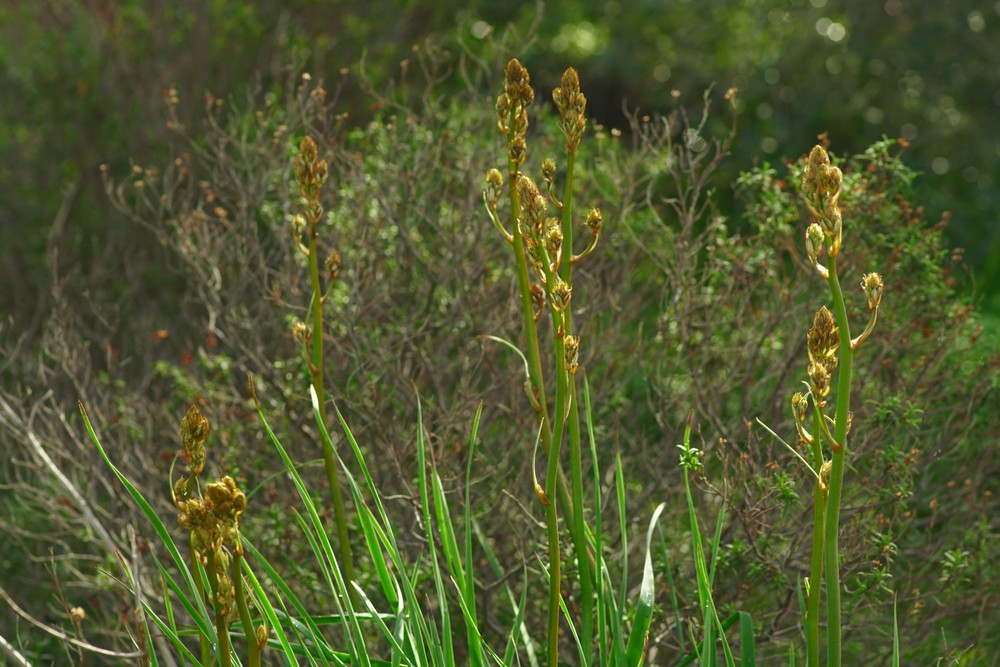
Asphodelus is a genus of about 16 species of annual and perennial herbs in the family Asphodelaceae, native to the Mediterranean region, with species extending into western Asia and the Indian subcontinent. Perennial species grow from clusters of fleshy, tuberous roots and form basal rosettes of narrow, grass-like to strap-shaped leaves, from which tall, branched or unbranched flower stems rise 1.5 to 5 feet (45 to 150 cm). The flowers are star-shaped, with six spreading white to pale pink tepals, each marked by a darker central vein, and open in succession up the spike in spring and early summer. After bloom the leaves often die back, and the plant rests through the dry Mediterranean summer. The genus grows on dry hillsides, garrigue, overgrazed pasture, and stony ground, and several species increase on disturbed land where grazing animals avoid them. A limitation in cultivation is summer dormancy and the need for sharp drainage, as the fleshy roots rot in soils that stay wet, and the foliage disappears for part of the year.
Native Range
Asphodelus is native to the Mediterranean basin, from southern Europe and North Africa through western Asia to the Indian subcontinent. Species grow on dry slopes, garrigue, and grazed grassland, often on poor, stony soils.Suggested Uses
Asphodelus species are used in dry, Mediterranean, and gravel gardens, on sunny banks, and in naturalistic grassland plantings. The tall flower spikes are grown as vertical accents in low-water borders, and the dried seed stems are used in arrangements.How to Identify
Appearance
Size & Dimensions
Height1'6" - 5'
Width/Spread1' - 2'
Colors
Foliage Colors
Bloom Information
Asphodelus flowers in spring and early summer, roughly March through June depending on species and climate. The star-shaped flowers open from the base of the spike upward over several weeks. After flowering, seed capsules form and the foliage of many species withers as summer dormancy begins.
Detailed Descriptions
Flower Description
white to pale pinkFoliage Description
green to gray-greenGrowing Conditions
Sun Requirements
Requires 6-12 hours of direct sunlight daily
• Full Sun: 6+ hours of direct sunlight
• Partial Shade: 3-6 hours of direct sunlight
• Full Shade: Less than 3 hours of direct sunlight
Care & Maintenance
Care Guide
Across the genus, Asphodelus grows in full sun and sharply drained, sandy or stony soil of low fertility, with a soil pH of about 6.0 to 7.5. Established plants tolerate drought and summer-dry conditions, and the fleshy roots rot in soil kept wet through the dormant season. Perennial species are grown from seed or careful division of the root clusters and are slow to re-establish after disturbance. Watering follows the natural cycle, with moisture in winter and spring growth and dry conditions during summer dormancy. Plants are left undisturbed once placed, as they recover slowly from transplanting.Pruning
Spent flower stems can be cut down after bloom, or left so the seed heads can ripen and self-sow. The withering foliage is left to die back naturally into summer dormancy. No other routine pruning is needed.Container Growing
Suitable for container growing
Minimum container size: 3 gallons