Arthropodium, Genus, candidum, Species,
- Genus & species
white rock lily
New Zealand (North and South Islands)
Overview
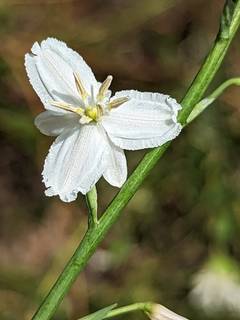
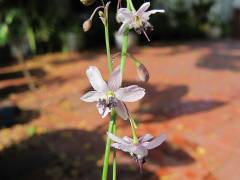
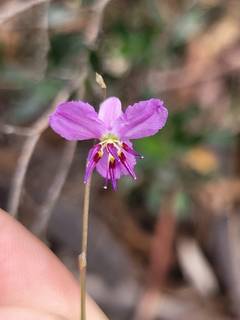
Arthropodium candidum is a tuberous-rooted perennial reaching 6–10 inches (15–25 cm) tall with a spread of 8–12 inches (20–30 cm), forming low, grassy clumps. Leaves are narrow, grass-like, 4–8 inches (10–20 cm) long and 0.1–0.2 inch (3–5 mm) wide, medium green, arching outward from the base. Slender, branched flower stems rise 6–10 inches (15–25 cm) above the foliage, bearing loose panicles of small, star-shaped white flowers, each 0.3–0.5 inch (8–12 mm) across with recurved petals and fringed filaments. Flowers appear in late spring to early summer. The tuberous roots are fleshy and shallow, producing offsets that gradually expand the clump. Growth rate is slow to moderate; clumps double in size over 2–3 years under favorable conditions. Foliage is semi-evergreen in zones 8–9, remaining through winter in mild conditions, and deciduous in zones 7 and colder where it dies back after frost. The shallow root system is vulnerable to freeze damage in prolonged cold below 20°F (−7°C). Slugs feed on foliage in wet conditions, and the plant declines in heavy, waterlogged soils.
Native Range
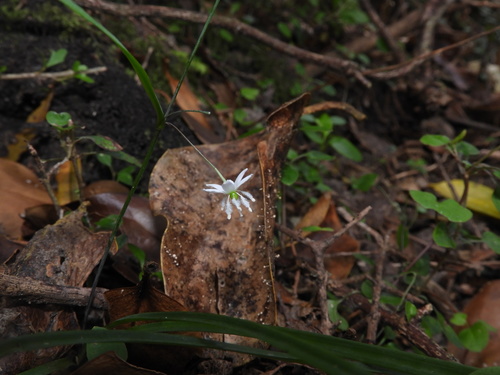
Arthropodium candidum is native to New Zealand, where it occurs in lowland to montane forests and scrublands on both the North and South Islands. It grows in shaded to partially shaded sites in humus-rich, well-drained soils, often on forest floors and among rocks.Suggested Uses
Planted as a ground cover or edging in woodland gardens and shaded borders at 8–12 inch (20–30 cm) spacing. The low, grassy habit suits rock gardens, shaded pathways, and underplanting beneath deciduous shrubs. Grows in containers of at least 2 gallons (7.5 L) in a humus-rich, well-drained mix; container culture allows winter protection in zones 7–8.How to Identify
Appearance
Size & Dimensions
Height6" - 10"
Width/Spread8" - 1'
Bloom Information
White flowers appear in late May–June in zones 8–9 and June–July in zones 7. Flower stems bear loose panicles of 10–20 individual flowers opening sequentially over 2–3 weeks. Total bloom duration is 3–4 weeks. Seed capsules ripen by late summer; the plant self-sows moderately in moist, sheltered sites.
Detailed Descriptions
Foliage Description
Medium green, narrow, grass-likeGrowing Conditions
Sun Requirements
Requires 2-5 hours of direct sunlight daily
• Full Sun: 6+ hours of direct sunlight
• Partial Shade: 3-6 hours of direct sunlight
• Full Shade: Less than 3 hours of direct sunlight
Care & Maintenance
Care Guide
Plant in humus-rich, well-drained soil in partial shade to full shade. Consistent moisture during the growing season supports foliage and flowering, but waterlogged conditions cause tuber rot. In zones 7–8, mulch the crown with 2–3 inches (5–8 cm) of organic material in fall for winter insulation. Slugs and snails damage foliage, particularly in wet spring conditions. The shallow tuberous roots are vulnerable to disturbance; avoid cultivating near established clumps. Divide clumps in spring every 3–4 years when flowering decreases or the center becomes crowded.Pruning
Remove spent flower stems after bloom by cutting to the base. In deciduous zones, dead foliage can be removed in late fall or early spring. In semi-evergreen zones, remove only damaged or brown leaves as needed. No other pruning is required.Pruning Schedule
Prune: June–July & November
summerfall
Container Growing
Suitable for container growing
Minimum container size: 2 gallons