Argentipallium, Genus, spp., Multiple species,
- Genus
- Multiple species
paper daisy
Overview
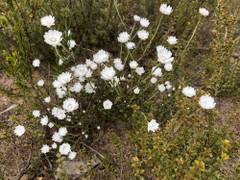
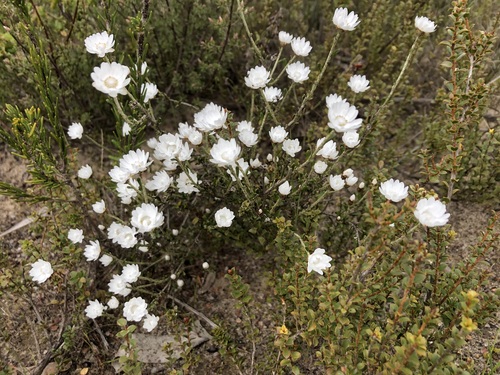
Argentipallium is a genus of about six small shrubs and subshrubs in the daisy family Asteraceae, endemic to Australia and segregated from the everlasting genus Helichrysum. Plants are low and woody-based, growing 8-32 inches (20-80 cm) tall, with slender stems and small narrow leaves densely covered in silvery-white woolly hairs that give the foliage a felted, grey-white look. The flower heads are the papery everlasting type, with dry, straw-textured white bracts surrounding a small cluster of yellow or cream disk florets, borne singly or in small clusters at the stem tips. The genus name refers to this silvery covering. Flowering is mainly in spring and summer, and the dry bracts hold their shape and color long after the florets fade, so cut stems keep well in dried arrangements. Plants grow in dry sclerophyll forest, heathland, and rocky or sandy open ground, generally in well-drained, low-nutrient soils. The genus tolerates heat, drought, and poor soil but needs sharp drainage and sun, declining in rich, wet, or shaded conditions. Most species are short-lived and frost-sensitive, regenerating from seed after fire or disturbance.
Native Range
Endemic to Australia, occurring in southern and eastern parts of the continent. Plants grow in dry sclerophyll forest, heathland, and rocky or sandy open ground on well-drained, low-nutrient soils.Suggested Uses
Argentipallium is grown in native, rock, and water-wise gardens for its silvery foliage and papery white flowers, and the stems are cut for fresh and dried arrangements. The flowers draw native bees and other insects. Its drought tolerance suits it to dry banks and gravelly beds in warm climates.How to Identify
Appearance
Size & Dimensions
Height8" - 2'8"
Width/Spread8" - 2'
Bloom Information
Flowering occurs mainly in spring and summer, from about September to January in the Southern Hemisphere. The papery heads open over several weeks and keep their white bracts long after the central florets have faded. Small dry seeds are shed from the heads in late summer.
Detailed Descriptions
Flower Description
white with yellow centerFoliage Description
silvery-greyGrowing Conditions
Sun Requirements
Requires 6-12 hours of direct sunlight daily
• Full Sun: 6+ hours of direct sunlight
• Partial Shade: 3-6 hours of direct sunlight
• Full Shade: Less than 3 hours of direct sunlight
Care & Maintenance
Care Guide
Plants need full sun and sharply drained, sandy or gravelly soil low in nutrients, at a pH near 5.5 to 7.0. The genus tolerates heat and drought once established but rots in heavy, wet, or rich soil and dislikes humidity and shade. Most species suit warm, frost-free to lightly frosted climates, roughly USDA zones 9 to 11. Propagation is from seed, which can be slow, or from semi-hardwood cuttings of non-flowering shoots. Light watering in dry spells maintains the foliage, while overfeeding and overwatering shorten the plant life. Because the plants are naturally short-lived, they are often renewed from cuttings or seed every few years.Pruning
A light trim after flowering removes spent heads and keeps the plants compact and bushy. Cutting into bare old wood is avoided, since many species are slow to reshoot from leafless stems. Stems for drying are cut just as the heads open fully.Container Growing
Suitable for container growing
Minimum container size: 2 gallons