Image 1 of 13
1 / 13
Plant Reference
Antirrhinum, Genus, majus, Species,
- Genus & species
snapdragon
Western Mediterranean — Spain, Portugal, and southern France; rocky hillsides and old walls
SunFull Sun – Part Shade
WaterMedium
Overview
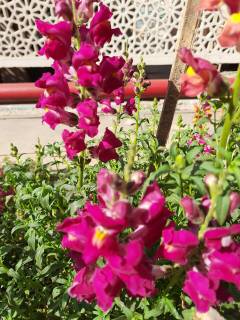
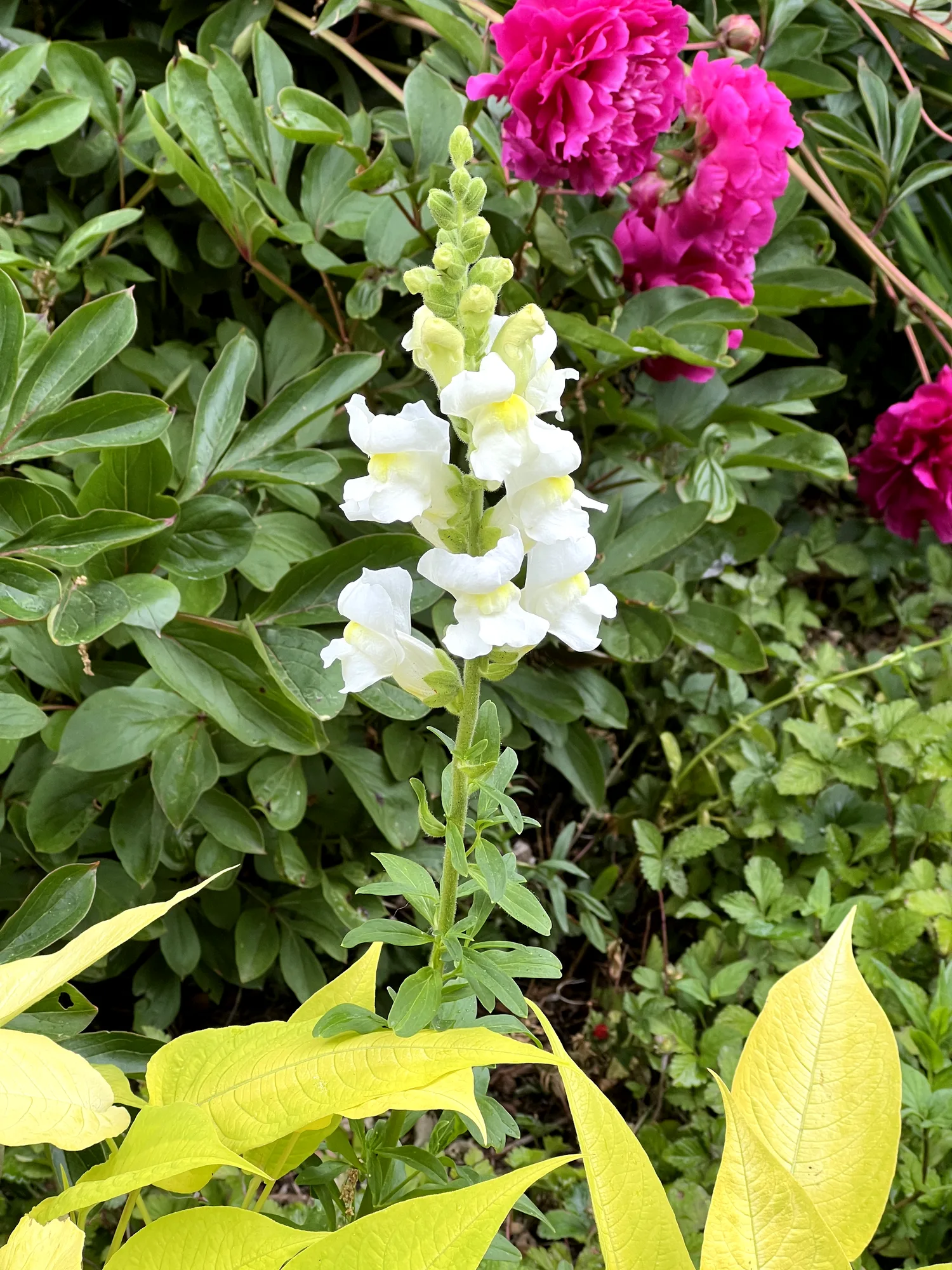
Antirrhinum majus is snapdragon, an upright annual (technically a tender perennial treated as an annual) growing 6-36 inches (15-90 cm) tall and 6-18 inches (15-45 cm) wide. Two-lipped tubular flowers 1-1.5 inches (2.5-4 cm) that open and close like a mouth when squeezed laterally (the snap) in dense terminal racemes 4-12 inches (10-30 cm). Colors include white, yellow, orange, red, pink, purple, and bicolor. Mid-green lance-shaped to elliptic leaves 1-3 inches (2.5-7 cm). In Plantaginaceae. Antirrhinum = like a snout. Native to the western Mediterranean. A cool-season bloomer — blooms heavily in spring (April-June) and fall (September-October) but stops flowering or declines in midsummer heat above 85°F (29°C). This midsummer heat sensitivity is the primary limitation — the plant either dies or goes dormant during peak summer. In mild-winter climates (zones 8-9), fall-planted snapdragons bloom through winter. Size classes: dwarf (6-12 inches / 15-30 cm), intermediate (12-24 inches / 30-60 cm), tall (24-36 inches / 60-90 cm). Rust (Puccinia antirrhini) is the primary disease — buy rust-resistant cultivars. Pinch seedlings at 3-4 inches (7-10 cm). Start indoors 10 weeks before last frost. Non-toxic. Full sun. Growth rate is fast.
Native Range
Native to the western Mediterranean — Spain, Portugal, and southern France. Found on rocky hillsides and old walls.Suggested Uses
Grown in annual beds, mixed borders, cutting gardens, and containers of at least 2 gallons (7.5 L), spaced 6-12 inches (15-30 cm) for dwarf types or 9-12 inches (23-30 cm) for intermediate and tall types. Cool-season bedding plant. Cut flower (tall types). Non-toxic.How to Identify
Appearance
Size & Dimensions
Height6" - 3'
Width/Spread6" - 1'6"
Bloom Information
Spring through fall (April-June, September-October — pauses in midsummer heat above 85°F / 29°C). Two-lipped tubular flowers in dense terminal racemes 4-12 inches (10-30 cm). Multiple colors. 8 weeks total (split spring + fall). Bee-, butterfly-, and hummingbird-visited. Deadhead spent spikes.
Detailed Descriptions
Flower Description
White, yellow, orange, red, pink, purple, and bicolor; two-lipped tubular flowers 1-1.5 inches (2.5-4 cm) that open and close like a mouth (snap) when squeezed laterally; in dense terminal racemes 4-12 inches (10-30 cm)Foliage Description
Mid-green, simple, lance-shaped to elliptic, opposite on the lower stem and alternate above, 1-3 inches (2.5-7 cm)Growing Conditions
Sun Requirements
Requires 6-10 hours of direct sunlight daily
• Full Sun: 6+ hours of direct sunlight
• Partial Shade: 3-6 hours of direct sunlight
• Full Shade: Less than 3 hours of direct sunlight
Care & Maintenance
Care Guide
Full sun to partial shade (6-10 hours). Well-drained soil pH 6.0-7.0. Start indoors 10 weeks before last frost or direct sow after frost. Pinch seedlings at 3-4 inches (7-10 cm). Cool-season bloomer — declines in midsummer heat above 85°F (29°C). Rust (Puccinia antirrhini) — buy resistant cultivars. Deadhead spent spikes. Not drought-tolerant. Non-toxic.Pruning
Pinch seedlings at 3-4 inches (7-10 cm) to promote branching. Deadhead spent flower spikes back to a lateral branch for continued bloom. Cut back by 1/3 in midsummer if the plant declines in heat — new growth and fall bloom follow when temperatures cool.Pruning Schedule
Prune: April–June & September
springfall
Container Growing
Suitable for container growing
Minimum container size: 2 gallons
Toxicity
Non-toxicPlanting Guide
Planting Methods & Timing
Planting Method
transplant
Indoor Start
10 weeks before last frost
Direct Sow Timing
Direct sow outdoors after last frost — surface sow (seeds need light to germinate); transplanting from indoor starts is more reliable
Days to Maturity
70–90 days
Plant Spacing
9 inches