Anthoxanthum, Genus, spp., Multiple species,
- Genus
- Multiple species
sweetgrasses
Overview
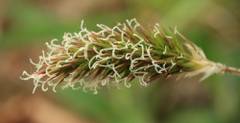
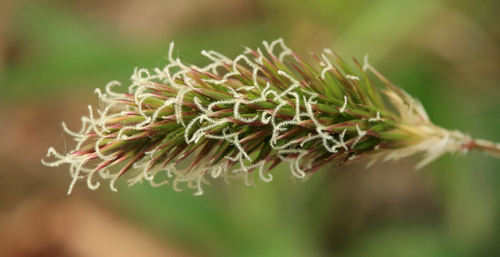
Anthoxanthum is a genus of roughly 50 annual and perennial grasses in the family Poaceae, distributed across temperate and montane regions of Eurasia and Africa, with several species naturalized in North America and Australasia. Plants form tufts 4-40 inches (10-100 cm) tall and 6-18 inches (15-45 cm) wide, with flat linear leaf blades 2-8 inches (5-20 cm) long and narrow, spike-like flowering panicles that contract at maturity. The foliage and stems contain coumarin, which releases a scent of cut hay or vanilla as the tissue dries; this compound gives the genus its common names sweet vernal grass and holy grass. Perennial species such as A. odoratum spread by short rhizomes and form open clumps, while annual species such as A. aristatum complete their cycle in a single season. Flowering occurs early in the season, among the first grasses to shed pollen, in shades of green ripening to straw-brown. The genus grows in meadows, pastures, heaths, and open woodland on a wide range of soils. A. odoratum is naturalized across much of North America and is treated as a weed in some pastures, where its coumarin content lowers the palatability of hay. Pollen is wind-borne and contributes to early-season hay fever in sensitive individuals.
Native Range
Native to temperate and montane Eurasia and northern Africa, with centers of diversity in Europe and the mountains of tropical Africa. Several species, including A. odoratum, are naturalized in North America, South America, and Australasia.Suggested Uses
Used in meadow plantings, naturalistic borders, and as a component of wildflower turf. Dried foliage is used in sachets and as a flavoring for steeped drinks in parts of Europe. The genus is also grown as pasture and hay grass, though coumarin reduces forage palatability.How to Identify
Appearance
Size & Dimensions
Height4" - 3'4"
Width/Spread6" - 1'6"
Bloom Information
Detailed Descriptions
Flower Description
green ripening to straw-brownFoliage Description
greenGrowing Conditions
Sun Requirements
Requires 4-8 hours of direct sunlight daily
• Full Sun: 6+ hours of direct sunlight
• Partial Shade: 3-6 hours of direct sunlight
• Full Shade: Less than 3 hours of direct sunlight
Care & Maintenance
Care Guide
Grows in full sun to partial shade on moist, moderately fertile soils with a pH of about 5.0-7.5. Perennial species tolerate a range of loam, sand, and clay soils provided drainage is not stagnant. Water needs are moderate; established plants withstand short dry spells but decline in prolonged drought. Perennial clumps may be divided in spring to maintain vigor. Self-seeding can be prolific in open ground, and naturalized stands can spread into pasture. No routine feeding is required on average garden soils.Pruning
Perennial clumps are cut back to near ground level in late winter before new growth resumes. Removing spent flowering stems before seed set reduces self-sowing. Annual species require no pruning and die after seeding.Pruning Schedule
Prune: February–March
winter