Anthemis, Genus, cotula, Species,
- Genus & species
chamomile
Europe, western Asia, and northern Africa; cultivated fields, roadsides, and waste ground on a wide range of soil types from sea level to approximately 5,000 feet (1,500 m).
SunFull Sun – Part Shade
Overview
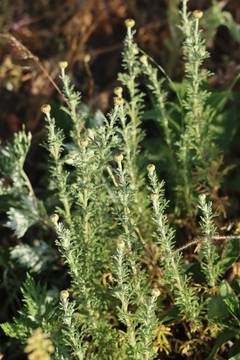
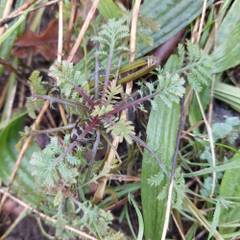
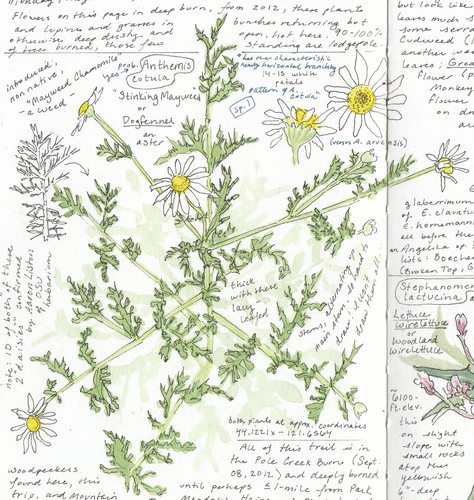
Anthemis cotula is a branching summer annual reaching 6-24 inches (15-60 cm) tall and 6-18 inches (15-45 cm) wide, forming loose mounds of finely dissected fern-like foliage with a pungent unpleasant scent when crushed. Leaves are alternate, finely bipinnate to tripinnate, 1-2.5 inches (2.5-6 cm) long, with thread-like segments. Daisy-like flower heads 0.5-1 inch (12-25 mm) across appear from May through September, with 10-15 white ray florets (sometimes absent) surrounding a conical yellow disc. The disc receptacle is solid and bears chaffy scales between individual florets, separating this species from Matricaria chamomilla (German chamomile), which has a hollow unscaled receptacle and a sweet, apple-like foliage scent. Each plant produces up to 960 seeds that remain viable in soil for 4-6 years. All parts of the plant contain sesquiterpene lactones that cause contact dermatitis and blistering on skin contact in some people, and the same compounds are toxic to livestock and humans if ingested in quantity. The species has naturalized across North America as a weed of cultivated fields, gardens, roadsides, and waste ground, particularly in regions with cool moist growing seasons. In the Pacific Northwest, flowering begins in late May and continues until first frost.
Native Range
Anthemis cotula is native to Europe, western Asia, and northern Africa, where it grows in cultivated fields, roadsides, and waste ground on a wide range of soil types from sea level to approximately 5,000 feet (1,500 m). The species has naturalized across most of North America, particularly in regions with cool moist growing seasons.Suggested Uses
The species is used in weed science education as a study species for the Asteraceae family and for differentiating mayweed from related chamomile species; it is included in agricultural weed identification curricula. Historical European ethnobotanical literature records medicinal use, although modern use is limited by the contact dermatitis potential of the sesquiterpene lactones. The species is not grown intentionally in ornamental gardens because of skin irritation on contact and prolific self-seeding that establishes population persistence in cultivated ground.How to Identify
Appearance
Size & Dimensions
Height6" - 2'
Width/Spread6" - 1'6"
Bloom Information
Daisy-like flower heads 0.5-1 inch (12-25 mm) across open continuously from May through September in temperate climates, with peak bloom in June and July and a total bloom span of 10-14 weeks. Individual flower heads remain open for 7-10 days and new heads continue to develop on branching stems throughout the bloom period. Seeds mature approximately three weeks after pollination. In the Pacific Northwest, flowering begins in late May and continues until first frost or senescence.
Detailed Descriptions
Flower Description
White ray florets (10-15 per head, sometimes absent) around a conical yellow disc; daisy-like flower heads 0.5-1 inch (12-25 mm) across; the disc receptacle is solid and bears chaffy scales between florets (a key identification feature)Foliage Description
Medium green; finely bipinnate to tripinnate with thread-like segments producing a fern-like texture; crushed foliage releases a pungent, unpleasant odor that separates this species from true chamomile (Matricaria chamomilla)Growing Conditions
Sun Requirements
Requires 6-12 hours of direct sunlight daily
• Full Sun: 6+ hours of direct sunlight
• Partial Shade: 3-6 hours of direct sunlight
• Full Shade: Less than 3 hours of direct sunlight