Anopterus, Genus, spp., Multiple species,
- Genus
- Multiple species
Tasmanian laurel
Overview
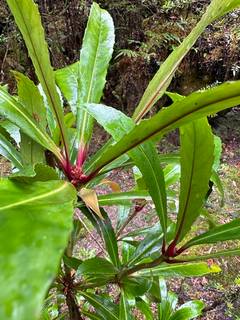
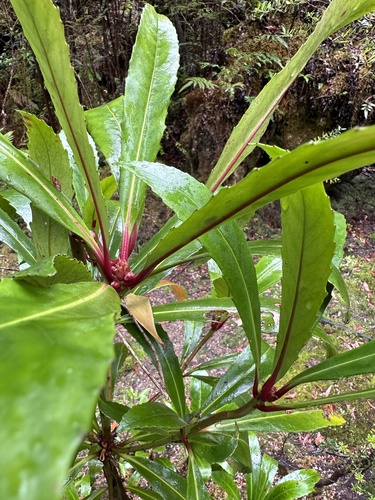
Anopterus is a genus of two evergreen shrubs or small trees in the family Escalloniaceae, endemic to Australia. Plants grow 5-30 ft (1.5-9 m) tall, upright and bushy, with glossy, leathery, dark green leaves 3-8 in (8-20 cm) long that have shallowly toothed margins and cluster toward the branch tips. In spring, terminal racemes carry many cup- to bell-shaped flowers 0.4-0.8 in (1-2 cm) long, white or flushed pink, each with six rounded petals. The flowers are followed by slender woody seed capsules that split to release winged seed. A. glandulosus, the Tasmanian laurel, is a cool-climate understorey shrub of wet Tasmanian forest, while A. macleayanus, the Macleay laurel, grows in warmer rainforest of New South Wales and Queensland and can reach small-tree size. Both grow naturally in moist, shaded, sheltered forest and depend on cool roots and steady humidity. The genus is slow-growing and intolerant of drought, drying wind, and prolonged hard frost.
Native Range
Anopterus is endemic to eastern and southern Australia, with A. glandulosus confined to Tasmania and A. macleayanus occurring in rainforest along the coast and ranges of New South Wales and southern Queensland.Suggested Uses
Anopterus is grown as a foliage and flowering shrub in cool, shaded, moist gardens, in woodland and fern gardens, and in containers kept sheltered and humid. The spring flowers draw insects. Its need for cool, moist shade limits it to mild, humid climates rather than open or dry sites.How to Identify
Appearance
Size & Dimensions
Height5' - 30'
Width/Spread5' - 15'
Bloom Information
Flowering occurs mainly in spring (roughly September-November in the Southern Hemisphere), when terminal racemes of white or pink-tinged flowers stand above the foliage for several weeks. Cool, moist conditions hold the flowers longer. Woody capsules ripen through summer and persist as they shed winged seed.
Detailed Descriptions
Flower Description
white to pale pinkFoliage Description
dark greenGrowing Conditions
Sun Requirements
• Full Sun: 6+ hours of direct sunlight
• Partial Shade: 3-6 hours of direct sunlight
• Full Shade: Less than 3 hours of direct sunlight
Care & Maintenance
Care Guide
Across the genus, Anopterus needs a cool, sheltered, partly shaded position in moist, humus-rich, free-draining acid soil, reflecting its rainforest origins. Plants require steady moisture and humidity and grow poorly in dry air, drought, and exposed, windy sites. The Tasmanian species tolerates light to moderate frost once established, while the rainforest species is more frost-tender. Growth is slow, and plants are usually raised from seed or semi-ripe cuttings under protection. A mulch keeps the roots cool and moist. The genus rarely succeeds in hot, dry, or alkaline gardens.Pruning
Light pruning or tip-pruning after flowering keeps the shrubs compact and bushy. Removing spent flower racemes tidies the plant and can be done as the capsules form. Old or straggly stems can be cut back into healthy wood, from which the genus usually reshoots.Container Growing
Suitable for container growing
Minimum container size: 5 gallons