Angelonia, Genus, angustifolia, Species,
- Genus & species
summer snapdragon
Mexico, Caribbean, northern South America
SunFull Sun – Part Shade
WaterMedium
Overview
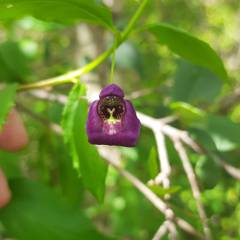
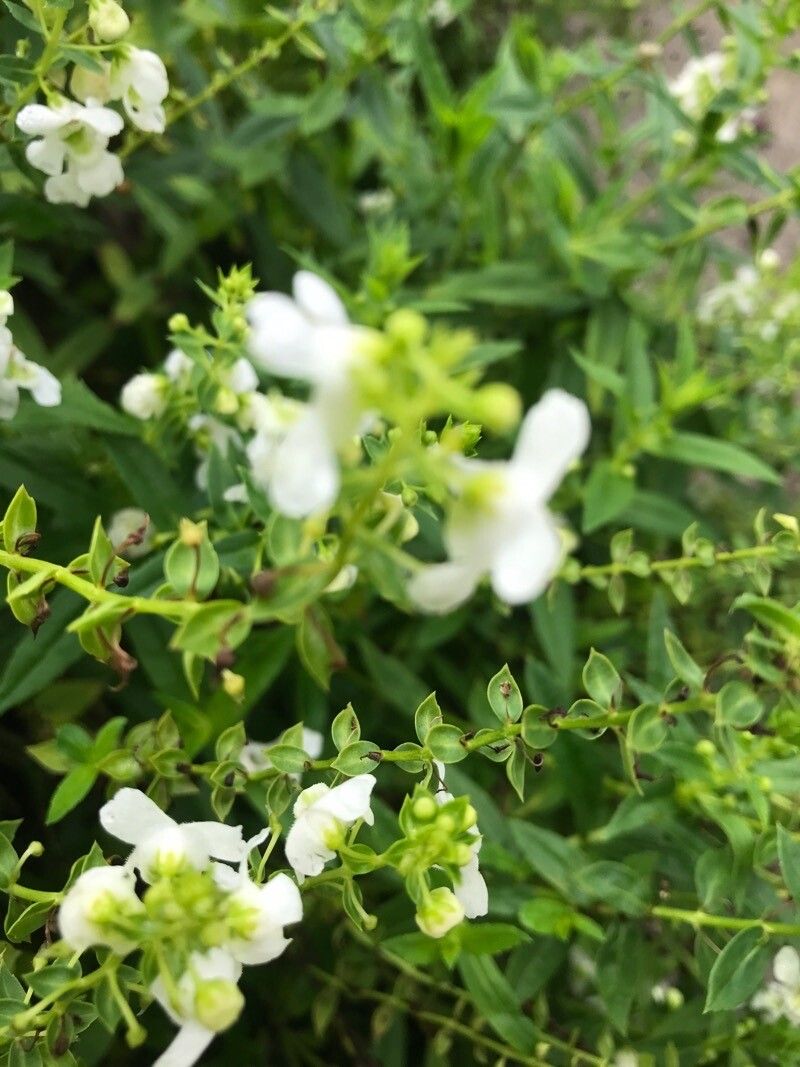
Angelonia angustifolia is a tender perennial typically grown as an annual, reaching 12-24 inches (30-60 cm) tall and 9-18 inches (23-45 cm) wide depending on cultivar. Compact bedding cultivars stay 10-14 inches (25-35 cm); upright cut-flower types reach 18-24 inches (45-60 cm). Stems are erect, branching, brittle when bent. Leaves are narrow lance-shaped, 2-3 inches (5-7.5 cm) long, glossy mid-green, arranged opposite or in whorls of three on the upper stem; foliage releases a faint apple scent when bruised. Flowers are five-lobed and orchid-like, 1 inch (2.5 cm) across, in shades of purple, blue-violet, lavender, raspberry, white, or bicolor combinations, arranged in 6-12 inch (15-30 cm) terminal spikes. Bloom continues from late spring through first frost in zones 3-9 when grown as an annual; in zones 9-11 the plant overwinters as a short-lived perennial. Heat-tolerant: flower production continues through temperatures above 95°F (35°C) when many bedding annuals decline. Self-cleaning — spent flowers drop without deadheading. Growth is moderate at 6-10 inches (15-25 cm) within 6-8 weeks of transplanting. Foliage damages at 32°F (0°C) and the plant is killed by the first hard frost. Non-toxic.
Native Range
Native to Mexico, the Caribbean, and northern South America, where it grows in sandy soils, dry meadows, and open woodlands at low elevations.Suggested Uses
Used as a bedding plant in massed plantings, mixed borders, and the front to mid-section of perennial gardens at 10-12 inch (25-30 cm) spacing for compact cultivars. Cut-flower cultivars at 18-24 inches (45-60 cm) tall produce stems suitable for fresh arrangements with 7-10 day vase life. Container culture in 1+ gallon (4+ liter) pots; combines with petunias, calibrachoa, and ornamental grasses in mixed annual plantings.How to Identify
Appearance
Size & Dimensions
Height1' - 2'
Width/Spread9" - 1'6"
Bloom Information
Blooms continuously from late spring through first frost in zones 3-9. Individual flowers last 4-6 days; spike-tip elongation produces new flowers in succession for 14-20 weeks total. Flower production continues through summer heat above 95°F (35°C) when many bedding annuals decline. Cool nights below 50°F (10°C) slow new flower spike formation in fall.
Detailed Descriptions
Flower Description
Purple, blue-violet, lavender, raspberry, white, or bicolorFoliage Description
Glossy mid-green, narrow lance-shapedGrowing Conditions
Sun Requirements
Requires 6-10 hours of direct sunlight daily
• Full Sun: 6+ hours of direct sunlight
• Partial Shade: 3-6 hours of direct sunlight
• Full Shade: Less than 3 hours of direct sunlight
Care & Maintenance
Care Guide
Water 1-2 times per week during the first 4-6 weeks after transplanting; established plants tolerate 7-10 days between waterings in the ground, but containers require more frequent watering during heat waves. A balanced 10-10-10 fertilizer every 4-6 weeks during the bloom period maintains flower production; nutrient-poor soils reduce spike length. Powdery mildew develops in cool wet weather; spacing plants 12 inches (30 cm) apart improves air circulation. Slugs feed on lower foliage in damp conditions. Plants are killed by the first hard frost and are typically pulled and composted at season end. In zones 9-11 plants persist as short-lived perennials and may be cut back hard in spring to refresh growth.Pruning
Self-cleaning — no deadheading required. Tip-pinching young transplants encourages branching; established plants do not require pruning during the bloom period. Cutting back by one-third in midsummer if growth becomes leggy stimulates new flower spike production within 10-14 days.Container Growing
Suitable for container growing
Minimum container size: 1 gallons
Toxicity
Non-toxicPlanting Guide
Planting Methods & Timing
Planting Method
transplant
Indoor Start
8 weeks before last frost
Direct Sow Timing
transplanted from cuttings or starts after last frost
Plant Spacing
12 inches