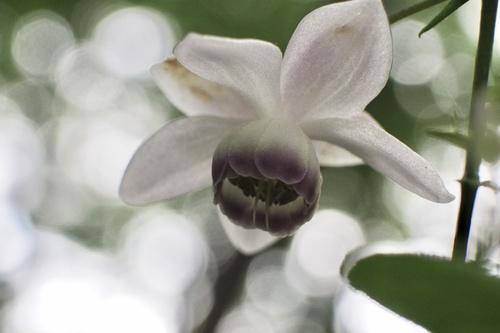
Anemonopsis, Genus, macrophylla, Species,
- Genus & species
false anemone
Overview
Anemonopsis macrophylla is a clump-forming perennial reaching 24–36 inches (60–90 cm) tall and 18–24 inches (45–60 cm) wide. Anemonopsis is a monotypic genus — this is the only species. Leaves are compound, 2–3 times ternately divided, 8–12 inches (20–30 cm) long, dark glossy green with toothed leaflets. Foliage resembles that of Actaea (formerly Cimicifuga) but with a more deeply divided leaflet structure. Flower stems rise above the foliage mound carrying loose, branched racemes of nodding, waxy flowers. Each flower is 1–1.5 inches (2.5–4 cm) across with pale lavender outer sepals and darker purple inner petals, creating a bicolored effect. Bloom occurs July through September; individual racemes last 3–4 weeks. Growth is slow; divisions take 3–5 years to reach full size. Clumps expand by crown growth at 1–2 inches (2.5–5 cm) per year. Cool, humid conditions are required. Leaf scorch develops when summer temperatures consistently exceed 85°F (30°C) or when soil dries out, and plants decline rapidly in full sun or hot, dry sites. All parts contain protoanemonin and are toxic if ingested.
Native Range
Native to mountain forests of Honshu, Japan, at 2,000–5,000 feet (600–1,500 m) elevation. Found in moist, humus-rich woodland understory in cool, humid conditions.Suggested Uses
Planted in woodland gardens, shade borders, and cool, moist garden sites at 18–24 inch (45–60 cm) spacing. Pairs with Hosta, Astilbe, and ferns in shaded conditions. Not suited to hot, dry summer climates (Southeast and Southwest zones 7b–8), full sun, or sites where summer irrigation cannot maintain consistent soil moisture.How to Identify
Appearance
Size & Dimensions
Height2' - 3'
Width/Spread1'6" - 2'
Bloom Information
Flowers July through September in zones 4–8. Individual racemes last 3–4 weeks. In zone 8, summer heat may shorten bloom to 2 weeks. Cool-summer climates such as the Pacific Northwest and mountain regions produce the full 3–4 week bloom period.
Detailed Descriptions
Flower Description
pale lavender outer sepals with darker purple inner petalsFoliage Description
dark glossy green, compound, deeply dividedGrowing Conditions
Sun Requirements
Requires 2-5 hours of direct sunlight daily
• Full Sun: 6+ hours of direct sunlight
• Partial Shade: 3-6 hours of direct sunlight
• Full Shade: Less than 3 hours of direct sunlight
Care & Maintenance
Care Guide
Plant in moist, humus-rich woodland soil with a pH of 5.0–6.5 in partial to full shade. The species requires conditions resembling Japanese mountain forests: high humidity, cool temperatures, and consistent soil moisture. Leaf scorch and decline occur when temperatures consistently exceed 85°F (30°C) or when the root zone dries out. Amending with composted leaf mold or peat at planting improves establishment. Water weekly during dry periods. Growth is slow and heavy fertilization accelerates decline rather than growth. Slugs and snails damage emerging foliage in spring. All parts contain protoanemonin and are toxic if ingested.Pruning
Cut all stems to ground level in early spring (March) before new growth emerges. Summer pruning is not required. Division is rarely appropriate due to slow growth; divided clumps may take 3–5 years to recover flowering size.Pruning Schedule
Prune: March
early spring
Container Growing
Suitable for container growing
Minimum container size: 5 gallons