Anemonastrum, Genus, spp., Multiple species,
- Genus
- Multiple species
canada anemone
Northern hemisphere temperate and montane regions
Overview
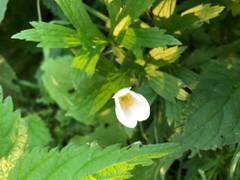
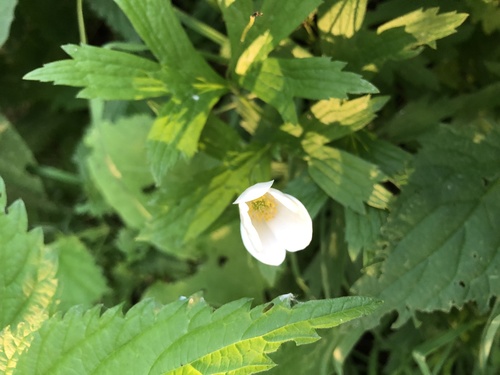
Anemonastrum is a genus of rhizomatous perennial herbs in the buttercup family, Ranunculaceae, recently separated from Anemone and distributed across the cool temperate and mountain regions of the northern hemisphere. Plants grow from spreading rhizomes and produce a clump of long-stalked basal leaves that are palmately lobed or divided, 2-8 in (5-20 cm) across, with toothed segments. Erect flowering stems 8-32 in (20-80 cm) tall carry one to several flowers above a collar of stem leaves. The flowers are saucer-shaped, 0.8-2 in (2-5 cm) across, usually white and sometimes flushed pink or cream on the reverse, with five to eight petal-like sepals around a centre of yellow stamens. After flowering the genus forms rounded heads of small dry fruits. A. canadense, Canada anemone, spreads widely by rhizomes and can colonise damp meadows and roadsides, while A. narcissiflorum of mountain pastures bears umbel-like clusters of white flowers. All parts contain irritant compounds that are toxic if eaten and can blister skin. The rapid spread of some species can crowd out smaller plants.
Native Range
Anemonastrum occurs across northern and montane regions of the northern hemisphere, including North America, Europe, and temperate Asia. A. canadense is native to central and eastern North America, while species such as A. narcissiflorum grow in the mountains of Europe and Asia.Suggested Uses
Anemonastrum is grown in wildflower meadows, damp woodland edges, streamside plantings, and rock or alpine gardens for the mountain species. The open white flowers draw bees and other pollinators. Vigorous spreaders are kept to areas where their rhizomes have room rather than mixed perennial borders.How to Identify
Appearance
Size & Dimensions
Height8" - 2'8"
Width/Spread1' - 3'
Bloom Information
Flowering occurs from late spring into summer (roughly May-July in the Northern Hemisphere), with lowland species such as A. canadense opening earlier than mountain species. The white flowers last several weeks, and a clump may produce a long succession of stems. Dry seed heads follow and persist into late summer.
Detailed Descriptions
Foliage Description
greenGrowing Conditions
Sun Requirements
• Full Sun: 6+ hours of direct sunlight
• Partial Shade: 3-6 hours of direct sunlight
• Full Shade: Less than 3 hours of direct sunlight