Alchornea, Genus, spp., Multiple species,
- Genus
- Multiple species
Tropical Africa, Asia, and the Americas
Overview
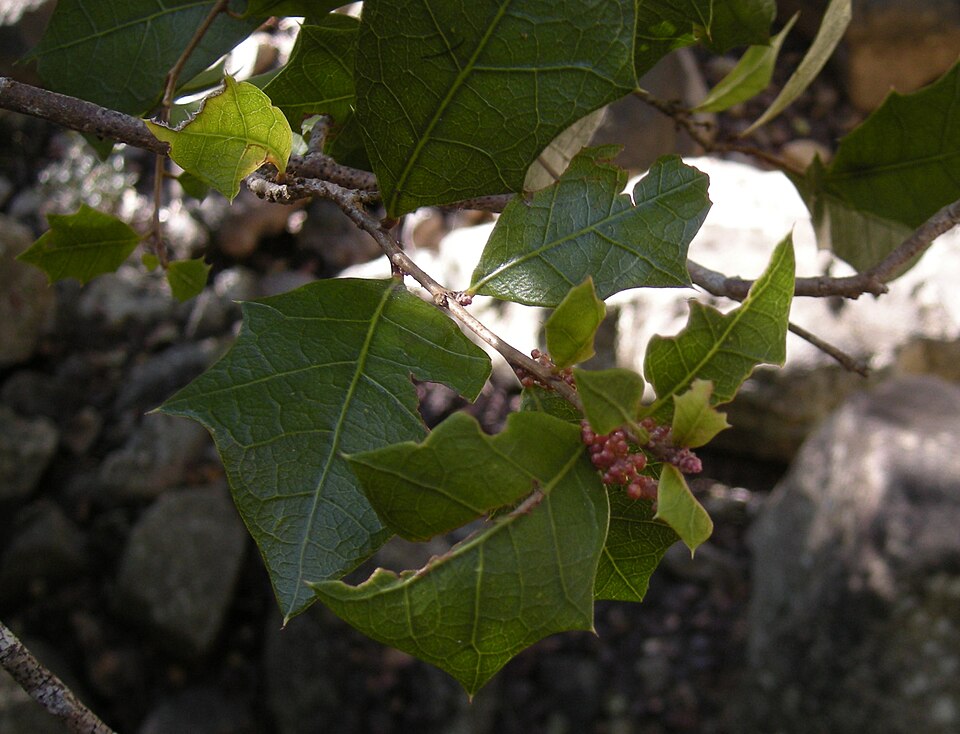
Alchornea is a genus of about 50 dioecious shrubs and small trees in the family Euphorbiaceae, distributed through tropical Africa, Asia, and the Americas. Most species reach 2-10 m (6-33 ft), with a few climbing or scrambling forms. The alternate leaves are simple and often broad, 8-25 cm (3-10 in) long, with toothed margins and a pair of small glands at the base of the blade; in several species the new growth flushes red or bronze. Male and female flowers form on separate plants in slender spikes or branched clusters; they are small and lack petals, and the male spikes shed copious pollen. Female plants develop two- or three-lobed capsules that split to release rounded seeds, often with a red coat. Alchornea grows in moist forest, forest margins, and riverbanks of warm lowland regions and does not tolerate frost. Several species, including A. cordifolia in Africa, spread into thickets along disturbed watercourses. Growth is rapid in warmth and moisture, and plants resprout readily after cutting.
Native Range
Native across the lowland tropics of Africa, Asia, and the Americas, where the shrubs grow in moist forest, clearings, and along rivers.Suggested Uses
Grown as hedging, screening, and shade shrubs in tropical gardens, and used in their native regions for medicinal preparations and live fencing. Some species are planted along streambanks to stabilize soil.How to Identify
Appearance
Size & Dimensions
Height6'7" - 32'10"
Width/Spread6'7" - 19'8"
Bloom Information
Flowering generally follows the warm, wet season and can extend over much of the year in equatorial climates. The petalless flowers are wind- and insect-pollinated, and the male spikes release copious pollen. Capsules ripen and split a few months after flowering.
Detailed Descriptions
Foliage Description
greenGrowing Conditions
Sun Requirements
Requires 4-10 hours of direct sunlight daily
• Full Sun: 6+ hours of direct sunlight
• Partial Shade: 3-6 hours of direct sunlight
• Full Shade: Less than 3 hours of direct sunlight