Image 1 of 26
1 / 26
Plant Reference
Ajuga, Genus, reptans, Species,
- Genus & species
creeping bugleweed
Overview
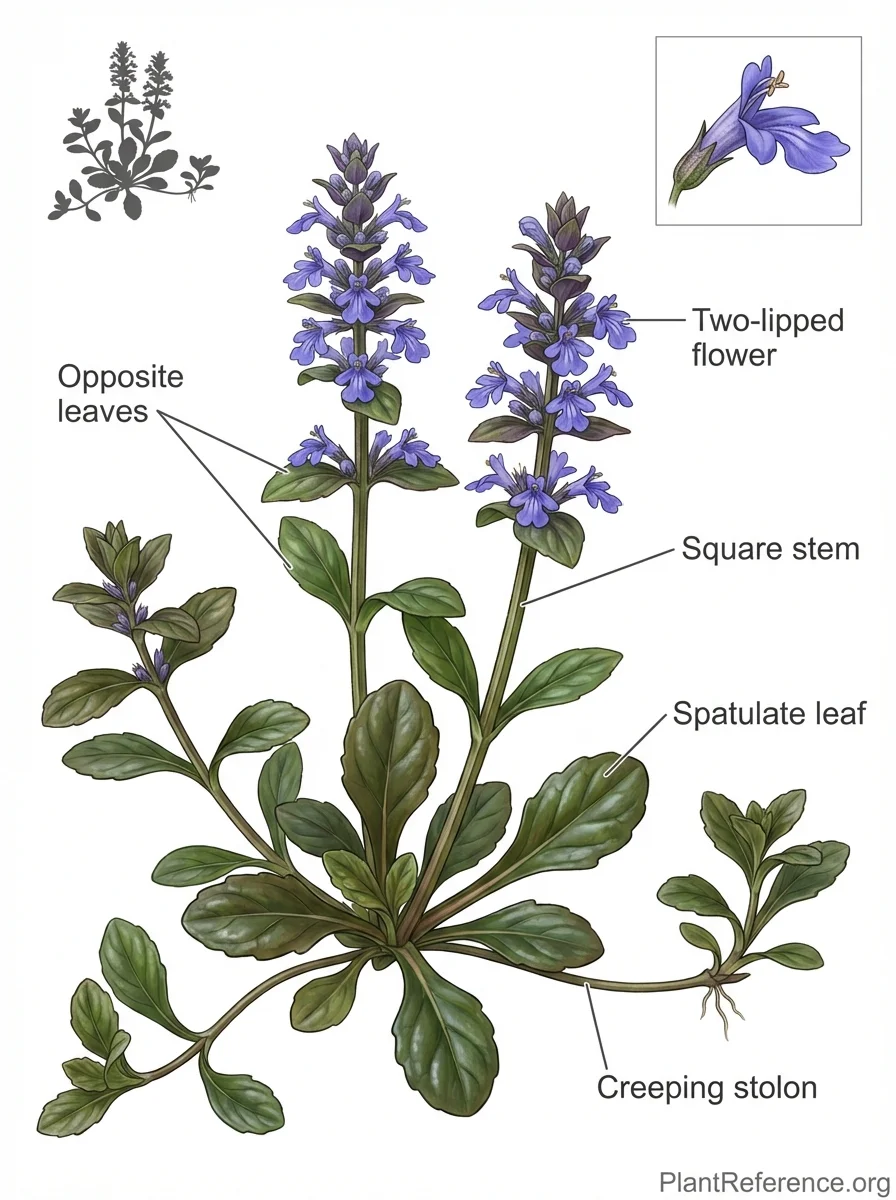
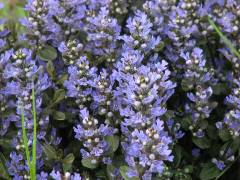
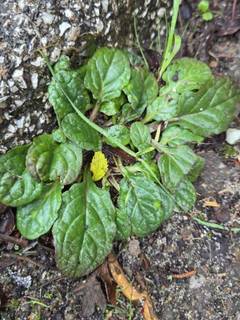
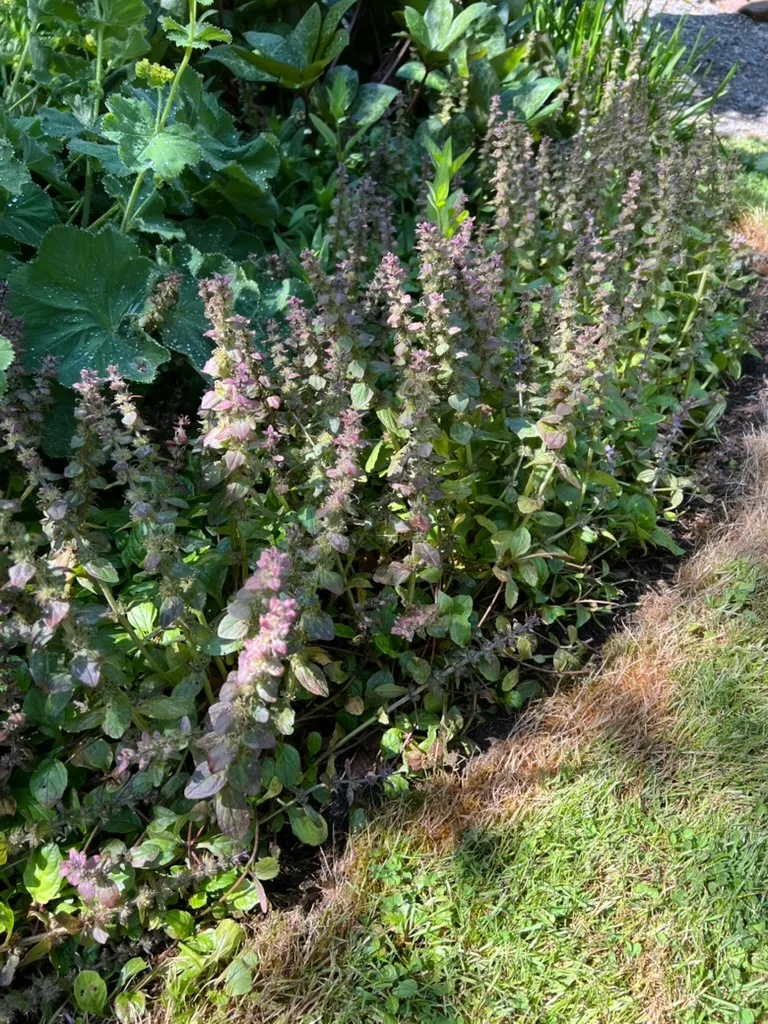
Ajuga reptans is a stoloniferous herbaceous perennial in the Lamiaceae family, forming dense ground-hugging mats 2–4 inches (5–10 cm) tall with flower spikes reaching 6–8 inches (15–20 cm). Rosettes of spatula-shaped, semi-evergreen leaves spread by above-ground runners (stolons) that root at nodes, producing new plantlets at 4–8 inch (10–20 cm) intervals. Leaves are typically dark green, 2–5 inches (5–13 cm) long, with a glossy surface and slightly scalloped margins. In mid-spring, dense whorled spikes of tubular, two-lipped blue-violet flowers open sequentially from the base upward over 2–3 weeks. Numerous cultivars alter leaf colour to bronze-purple, variegated cream and pink, or near-black. Thrives in moist, humus-rich soil in partial to full shade. In full sun with adequate moisture, foliage remains compact; in dry sun, leaf margins scorch. Spreads rapidly under favourable conditions — stolons can extend 12–18 inches (30–45 cm) in a single season — and may invade adjacent lawn or border areas. Crown rot (Sclerotium rolfsii) can destroy patches in warm, humid conditions with poor air circulation.
Native Range
Ajuga reptans is native across Europe, from the British Isles and Scandinavia south to the Mediterranean basin, and eastward through the Caucasus to western Iran. It naturalises readily in temperate North America and is considered invasive in parts of the northeastern and southeastern United States.Suggested Uses
Planted as groundcover under deciduous trees and shrubs, spaced 8–12 inches (20–30 cm) apart for full coverage within two growing seasons. Fills gaps between stepping stones, edges woodland paths, and stabilises slopes with light to moderate grade. Contains spread by installing a 4-inch (10 cm) deep edging barrier where lawn or border areas adjoin.How to Identify
Appearance
Size & Dimensions
Height2" - 8"
Width/Spread1' - 2'
Bloom Information
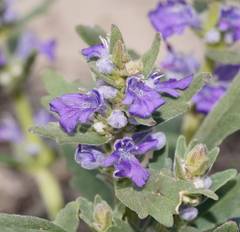
Flower spikes emerge in mid to late April in the Pacific Northwest, with peak bloom in May. Each spike opens sequentially from base to tip over approximately 2–3 weeks. Individual flowers are tubular, two-lipped, 12–18 mm long, typically blue-violet, though white and pink forms exist.
Detailed Descriptions
Foliage Description
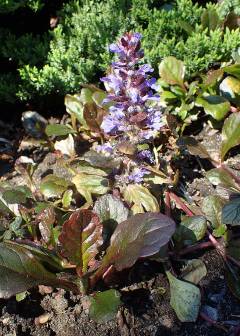
Dark green, often with purple-bronze tonesGrowing Conditions
Sun Requirements
Requires 2-6 hours of direct sunlight daily
• Full Sun: 6+ hours of direct sunlight
• Partial Shade: 3-6 hours of direct sunlight
• Full Shade: Less than 3 hours of direct sunlight
Care & Maintenance
Care Guide
Plant 8–12 inches (20–30 cm) apart in partial to full shade in moist, humus-rich soil with a pH of 5.5–7.0. Water regularly during the first growing season to establish stolons. Once established, supplemental irrigation is needed only during extended dry periods in summer. Apply 1–2 inches (2.5–5 cm) of organic mulch around new plantings to retain moisture but keep mulch away from crowns to prevent rot. Feed lightly with a balanced granular fertiliser in early spring if soil fertility is low. Monitor for crown rot in humid conditions — improve air circulation by thinning crowns if patches become overly dense.Pruning
Mow or shear flower spikes to 3 inches (8 cm) after bloom fades to maintain a tidy appearance and prevent self-seeding. Cut back invading stolons at the border edge throughout the growing season to contain spread. Remove dead or damaged foliage in late winter before new growth emerges.Pruning Schedule
Prune: June
early springsummer
Container Growing
Suitable for container growing
Minimum container size: 2 gallons
Toxicity
Non-toxicBotanical Flashcard