Aira, Genus, praecox, Species,
- Genus & species
early hair grass
Overview
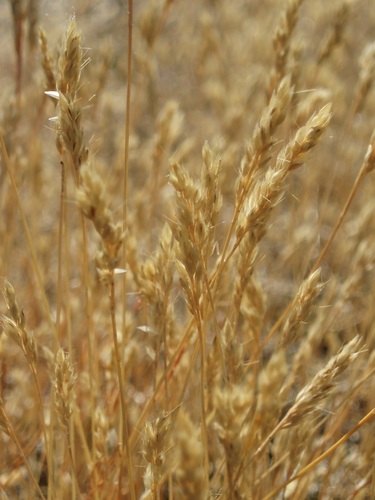
Aira praecox is a slender annual grass in the Poaceae, forming small tufts only 1–6 inches (2.5–15 cm) tall on thin, wiry stems. The narrow, bristle-like leaves are 0.4–1.2 inches (1–3 cm) long and inrolled, clustered near the base. Each stem carries a compact, narrow panicle 0.4–1.2 inches (1–3 cm) long, tightly contracted so the tiny silvery spikelets are held close to the stem; each spikelet bears two florets with bent, protruding awns. Flowering is early, from April to June, after which the whole plant quickly turns straw-coloured and dies. It grows on dry, sandy, acidic soils, including heaths, dunes, gravelly tracks, wall-tops, and thin ground over rock across Europe and naturalised elsewhere. As a short-lived spring annual it completes growth before summer drought and survives only as seed through the rest of the year. It is easily overlooked and is crowded out on richer, moister soils.
Native Range
Native across western and central Europe, on dry, sandy, acidic soils such as heaths, dunes, and thin ground over rock. It has naturalised in North America, Australia, and other temperate regions.Suggested Uses
Grown in sand beds, gravel gardens, green roofs, and naturalistic plantings on dry acidic soils. It also features in heath and dune restoration seed mixes.How to Identify
Appearance
Size & Dimensions
Height1" - 6"
Width/Spread1" - 3"
Bloom Information
Flowers early, from April to June, with the compact silvery panicles maturing quickly. Seed ripens by early summer, and the plant dries and dies soon afterward.
Detailed Descriptions
Foliage Description
greenGrowing Conditions
Sun Requirements
Requires 6-10 hours of direct sunlight daily
• Full Sun: 6+ hours of direct sunlight
• Partial Shade: 3-6 hours of direct sunlight
• Full Shade: Less than 3 hours of direct sunlight
Water & Climate
Water Needs
Drought Tolerance
Drought tolerant when established
Care & Maintenance
Care Guide
Grows in full sun on dry, sharply drained, sandy or gravelly acidic soils of low fertility. Water needs are very low, and the plant relies on spring moisture before summer drought. Seed is sown directly in autumn on bare, open ground for spring growth. Rich, moist, or limy soils do not suit it, and competition from larger plants suppresses it. It needs no feeding. As a spring annual it dies by early summer and returns only from self-sown seed.Pruning
No pruning is needed for this small annual grass. Dead plants can be cleared once they have shed seed in early summer. Leaving some plants in place allows natural reseeding.Container Growing
Suitable for container growing
Minimum container size: 1 gallons
Toxicity
Non-toxicPlanting Guide
Planting Methods & Timing
Planting Method
direct sow
Direct Sow Timing
autumn
Plant Spacing
4 inches