Agropyron, Genus, spp., Multiple species,
- Genus
- Multiple species
crested wheatgrass
Eurasian steppes (introduced to North America)
Overview
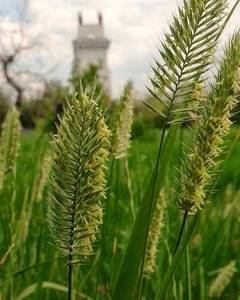
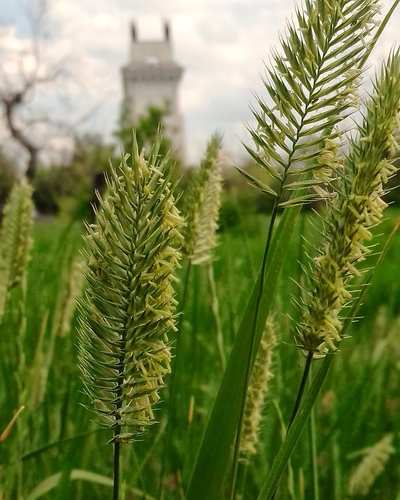
Agropyron is a genus of cool-season perennial grasses, the crested wheatgrasses, native to the steppes of Europe and Asia and widely planted across the dry grasslands of North America. Plants form dense tufts or bunches of narrow, flat to rolled blue-green leaves and stand 12-36 inches (30-90 cm) tall in flower. The flower spikes are short, flattened, and comb-like, with the spikelets set in two even rows that spread out at an angle, giving the crest that names the group. The genus is deeply drought- and cold-hardy, growing on poor, dry soils where many grasses fail, and is used heavily for grazing, hay, and erosion control on rangeland. It greens up early in spring, flowers in early summer, then goes dormant and straw-coloured through the dry season. Established plants resist drought through deep, fibrous roots and tolerate heavy grazing. On moist, fertile ground it can spread and crowd out other species, and in parts of North America planted stands have become hard to remove. It is wind-pollinated and sets abundant seed.
Native Range
Agropyron is native to the temperate steppes and dry grasslands of Europe and Asia. The crested wheatgrasses were introduced to North America in the early twentieth century for forage and soil conservation and are now naturalised across the northern Great Plains and Intermountain West.Suggested Uses
Used widely for pasture and hay on dry rangeland, for erosion control and mine and roadside reclamation, and for low-water turf and ground cover in cold, arid regions. It stabilises disturbed soils quickly from seed. In ornamental planting it is used occasionally for its blue-green tufts and comb-like seed heads in dry gardens.How to Identify
Appearance
Size & Dimensions
Height1' - 3'
Width/Spread1' - 2'
Bloom Information
Flowering comes in late spring and early summer, roughly May to June, when the comb-like spikes rise above the foliage. The wind-pollinated flowers are green and inconspicuous, ripening to straw-coloured seed heads. The plant then goes summer-dormant in dry conditions.
Detailed Descriptions
Foliage Description
blue-greenGrowing Conditions
Sun Requirements
Requires 6-12 hours of direct sunlight daily
• Full Sun: 6+ hours of direct sunlight
• Partial Shade: 3-6 hours of direct sunlight
• Full Shade: Less than 3 hours of direct sunlight
Care & Maintenance
Care Guide
Grow in full sun in well-drained soil; the genus thrives on poor, dry, and even alkaline ground and dislikes wet, shaded sites. Watering is rarely needed once plants are established, as deep roots carry them through long droughts. It needs little or no feeding and is sown from seed in autumn or early spring for pasture, reclamation, or low-water lawns. Hardy through cold winters in roughly USDA zones 3 to 8, it greens up early and tolerates heavy grazing and mowing. On fertile, moist soils it can spread aggressively, so its use is weighed where native grassland is a concern.Pruning
Mow or graze to remove old growth and seed heads and to keep stands dense and leafy. Cutting back the dry summer-dormant foliage in late winter clears the way for fresh spring growth. Established bunches need little other maintenance.Pruning Schedule
Prune: February
winter