Ageratum, Genus, houstonianum, Species,
- Genus & species
flossflower
SunFull Sun – Part Shade
WaterMedium
Overview
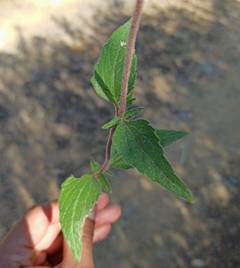
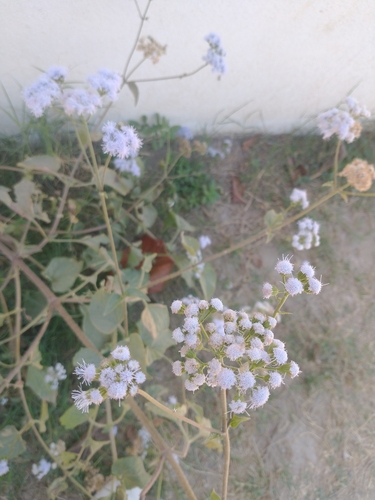
Ageratum houstonianum is a tender annual or short-lived perennial reaching 6-24 inches (15-60 cm) tall and 6-18 inches (15-45 cm) wide depending on cultivar. Compact bedding cultivars grow 6-10 inches (15-25 cm); cut-flower types reach 18-24 inches (45-60 cm). Stems are erect, branching, soft, and covered with short hairs. Leaves are heart-shaped to ovate, 1-3 inches (2.5-7.5 cm) long, with toothed margins, dull green, and arranged opposite on the stem. Flowers are dense rounded clusters 1-2 inches (2.5-5 cm) across composed of 30-75 small disc florets in shades of blue-violet, lavender, white, or pink; the species lacks ray florets, giving the flower head a powder-puff or floss-like texture. Bloom continues from late spring until first frost in zones 3-10 when grown as an annual; in zones 10-11 the plant overwinters as a short-lived perennial. All parts contain pyrrolizidine alkaloids; the species is toxic to humans, dogs, cats, horses, and cattle if ingested in quantity. Naturalized populations occur in tropical Africa, Asia, and Australia where the species is listed as an environmental weed. Growth is fast at 12-18 inches (30-45 cm) within 8-10 weeks of transplanting. Foliage damages at 32°F (0°C) and the plant is killed by the first hard frost. Self-seeds modestly in zones 8-11; seedlings vary in flower color from parent plants.
Native Range
Native to Mexico, Belize, Guatemala, and Honduras, where it grows in disturbed soils, roadsides, and forest clearings at 1,000-8,000 feet (300-2,400 m) elevation. Naturalized in tropical Africa, Asia, Australia, and parts of the southern United States.Suggested Uses
Used as a bedding plant in massed plantings, edgings, and the front of mixed borders at 6-10 inch (15-25 cm) spacing for compact cultivars. Cut-flower cultivars at 18-24 inches (45-60 cm) tall produce stems suitable for fresh and dried arrangements. Container culture in 1+ gallon (4+ liter) pots; combines with petunias, lobelia, and silver foliage plants in mixed annual containers.How to Identify
Appearance
Size & Dimensions
Height6" - 2'
Width/Spread6" - 1'6"
Bloom Information
Blooms continuously from late spring through first frost in zones 3-10. Individual flower clusters remain in color for 2-3 weeks; new clusters develop in succession from branched stem tips for 14-18 weeks total. Bloom production drops during heat waves above 95°F (35°C). Deadheading or shearing in midsummer extends the bloom period and increases new flush density.
Detailed Descriptions
Flower Description
Blue-violet, lavender, pink, or whiteFoliage Description
Dull greenGrowing Conditions
Sun Requirements
Requires 6-10 hours of direct sunlight daily
• Full Sun: 6+ hours of direct sunlight
• Partial Shade: 3-6 hours of direct sunlight
• Full Shade: Less than 3 hours of direct sunlight
Care & Maintenance
Care Guide
Water weekly during the first 4-6 weeks after transplanting; established plants tolerate 7-10 days between waterings in cool soils but require more frequent water in containers and during heat waves. Bedding plants benefit from a slow-release fertilizer at planting; a fast-release fertilizer every 4-6 weeks during the bloom period maintains flower production. Botrytis flower rot develops in cool wet weather, browning the flower clusters; spacing plants 6-10 inches (15-25 cm) apart improves air circulation. Spider mites and whitefly occur in hot dry conditions. All parts contain pyrrolizidine alkaloids and are toxic to humans, dogs, cats, horses, and cattle if ingested in quantity. Plants are killed by the first hard frost and are typically pulled out and composted at season end.Pruning
Tip-pinching young transplants encourages branching and increases flower stem count. Shearing or deadheading in midsummer when bloom density declines triggers new flushes within 10-14 days. Plants do not require pruning beyond deadheading in the bedding context.Container Growing
Suitable for container growing
Minimum container size: 1 gallons
Toxicity Warning
Toxic to pets and humansPlanting Guide
Planting Methods & Timing
Planting Method
transplant
Indoor Start
8 weeks before last frost
Direct Sow Timing
after last frost when soil reaches 70°F (21°C)
Plant Spacing
8 inches