Adenium, Genus, obesum, Species,
- Genus & species
desert rose
Eastern Africa and the Arabian Peninsula (Sahel, East Africa, southern Arabian Peninsula)
Overview
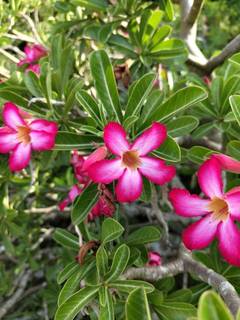
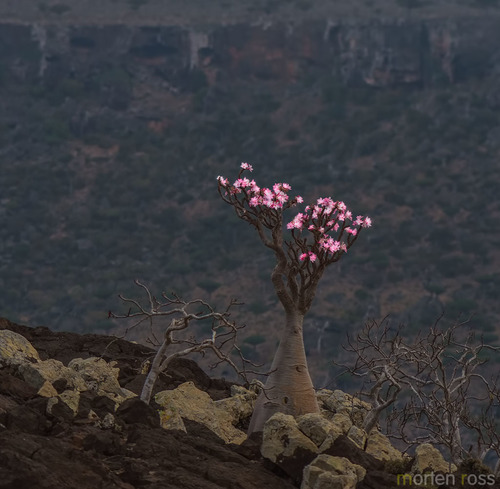
Adenium obesum is the desert rose, a flowering succulent shrub with a sculptural swollen caudex, growing 12-36 inches (30-90 cm) indoors. The species name 'obesum' means 'fat', describing the dramatically swollen trunk base (caudex) that stores water and develops sculptural shapes with age, valued by bonsai and caudex enthusiasts. Pink to red tubular five-petaled flowers with white throats resemble small roses or plumeria, blooming from spring through fall with sufficient light (6+ hours direct sun). Among the more popular flowering succulents in commercial trade. Deciduous: in winter, the plant drops most or all leaves and enters dormancy, which is the natural cycle and not a sign of death. During dormancy (November-February), water is given very sparingly (the plant rests nearly dry). Watering resumes when new growth appears in spring. Highly toxic to humans and pets. All parts contain cardiac glycosides similar to those in oleander; the sap was traditionally used as arrow poison in Africa. Full direct sun is essential for flowering. Cactus/succulent soil.
Native Range
Adenium obesum is native to eastern Africa and the Arabian Peninsula.Suggested Uses
Used as a flowering succulent bonsai, caudex specimen, and windowsill bloomer. The sculptural caudex develops with age. Maximum sun for maximum flowers. The species is significantly toxic and is unsuitable for households with small children or pets that chew plants. A widely grown flowering succulent.How to Identify
Appearance
Size & Dimensions
Height1' - 3'
Width/Spread1' - 2'
Bloom Information
Detailed Descriptions
Flower Description
Pink to red with white throat; tubular five-petaled; resembling small roses or plumeriaFoliage Description
Dark green; glossy spatula-shaped; clustered at branch tipsGrowing Conditions
Sun Requirements
Requires 6-12 hours of direct sunlight daily
• Full Sun: 6+ hours of direct sunlight
• Partial Shade: 3-6 hours of direct sunlight
• Full Shade: Less than 3 hours of direct sunlight
Care & Maintenance
Care Guide
Sited in full direct sun (6+ hours) for flowering. Cactus soil. Watered sparingly. Deciduous in winter; drops leaves and rests nearly dry. Toxicity is significant; the species is unsuitable for households with small children or pets that chew plants. The swollen caudex stores water.Pruning
Pruned in early spring before new growth to encourage branching and more flowers. Spent flowers are deadheaded. Toxic sap requires gloves during pruning to prevent skin contact.Pruning Schedule
Prune: March
early spring
Container Growing
Suitable for container growing
Minimum container size: 5 gallons