Abutilon, Genus, spp., Multiple species,
- Genus
- Multiple species
Indian mallows
Overview
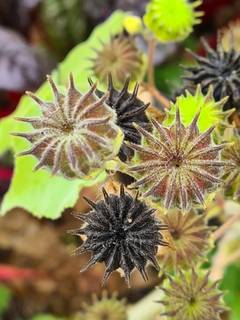
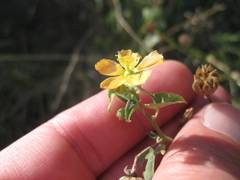
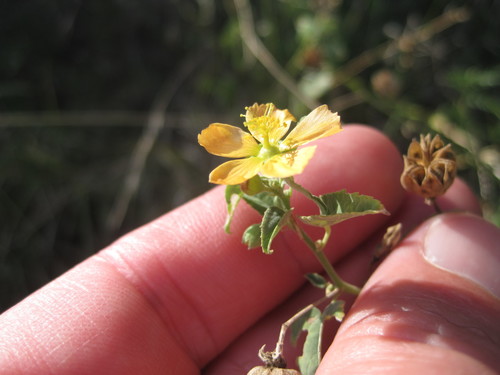
Abutilon is a large genus of annuals, perennials, shrubs, and small trees in the mallow family, found through the tropics and subtropics worldwide. Plants range from 1 to 15 feet (0.3-4.5 m) tall, with soft-wooded, often branching stems. The leaves are alternate, heart-shaped to maple-like with three to seven lobes, 2-8 inches (5-20 cm) long, frequently soft and velvety with star-shaped hairs. The flowers are bell- to bowl-shaped with five petals, 0.5-3 inches (1-8 cm) across, nodding on slender stalks in shades of yellow, orange, red, pink, white, and apricot, sometimes with darker veins; in the flowering-maple group (A. pictum and hybrids) they hang like small lanterns over a long season. Other species, such as A. theophrasti, velvetleaf, are weedy annuals grown or naturalized for fiber and now troublesome in croplands. Fruit is a ring of segments that dries to a papery capsule. Most ornamental species are frost-tender and bloom from spring through autumn, or year-round in frost-free climates. Plants grow fast but are often short-lived and can become leggy. Foliage of variegated forms is mottled yellow from a harmless mosaic virus.
Native Range
The genus Abutilon is native to tropical and subtropical regions of the Americas, Africa, Asia, and Australia, with the greatest diversity in South America. Plants grow in open woodland, scrub, disturbed ground, and along watercourses in warm climates. A. theophrasti originated in southern Asia and has spread worldwide as a crop weed, while the ornamental flowering maples derive largely from South American species such as A. pictum and A. striatum.Suggested Uses
Shrubby and flowering-maple species are grown in borders, as conservatory and patio container plants, and as informal hedges in frost-free areas, spaced 2-5 feet (0.6-1.5 m) apart. Trailing and compact forms are grown in hanging baskets and pots. The long bloom and nodding flowers suit mixed plantings and seasonal display in mild climates.How to Identify
Appearance
Size & Dimensions
Height1' - 15'
Width/Spread1' - 8'
Bloom Information
Many species bloom over a long season, from spring through autumn in temperate gardens and year-round in frost-free climates. Individual flowers last a few days, with bloom continuing as new buds open along the stems. A. theophrasti flowers in summer as an annual before setting seed. Flowering is heaviest in good light and warmth and slows in cool, dark conditions.
Detailed Descriptions
Flower Description
yellow, orange, red, pink, white, or apricotFoliage Description
green, some forms mottled yellowGrowing Conditions
Sun Requirements
Requires 4-10 hours of direct sunlight daily
• Full Sun: 6+ hours of direct sunlight
• Partial Shade: 3-6 hours of direct sunlight
• Full Shade: Less than 3 hours of direct sunlight
Care & Maintenance
Care Guide
Most ornamental species grow in full sun to part shade in moist, fertile, well-drained soil, flowering most freely with steady moisture and feeding through the growing season. Plants are frost-tender and are grown as container or conservatory plants where winters are cold, kept above 40-45°F (4-7°C). Pinching young shoots produces bushier growth, as plants tend to become leggy. Whitefly, aphids, spider mites, and mealybugs are common under glass. Overwatering and poor drainage cause root rot and leaf drop. Plants grow quickly but are often replaced every few years as they become woody and sparse.Pruning
Prune in late winter or early spring, cutting back the previous season growth by a third to a half to keep plants bushy and within size. Pinch growing tips through the season to limit legginess and encourage branching. Remove dead, weak, or crossing stems at the base. Container plants are cut back hard before being brought under cover for winter.Container Growing
Suitable for container growing
Minimum container size: 5 gallons