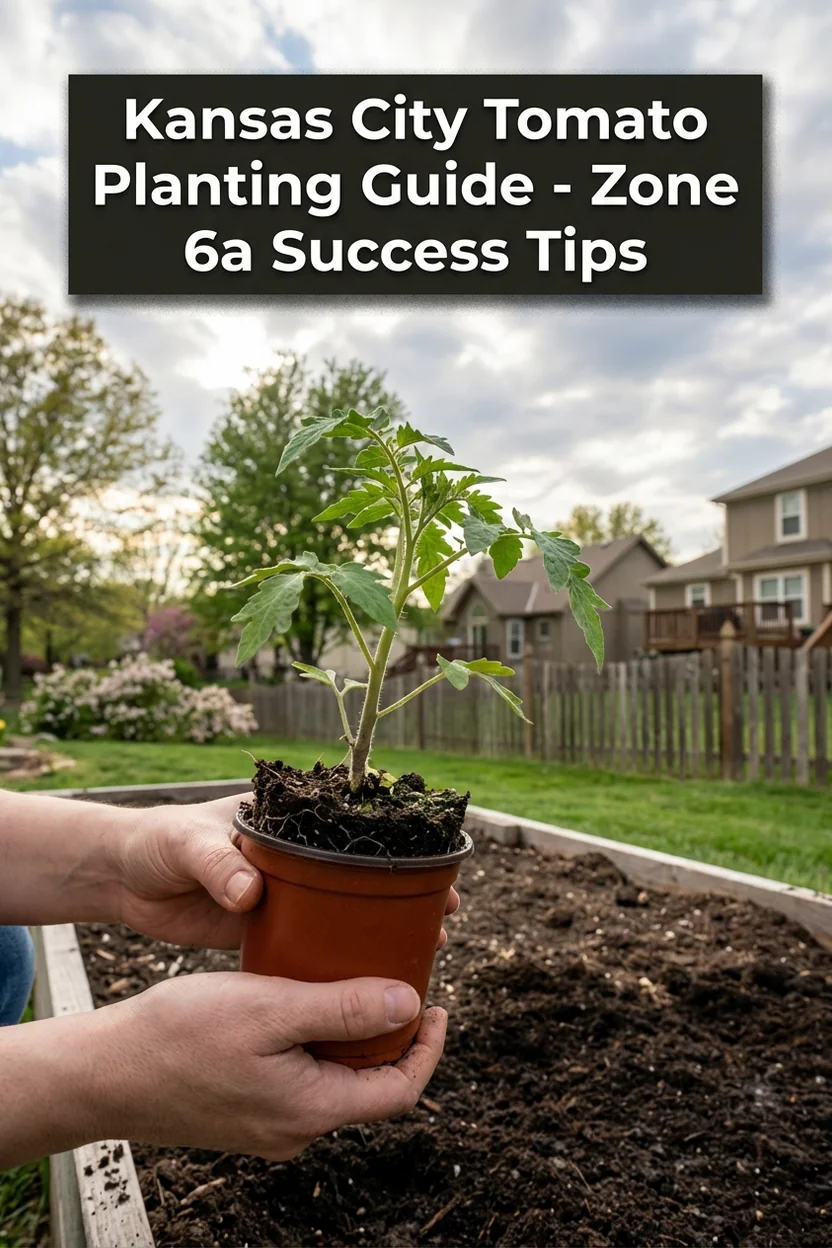
When to Plant Tomatoes in Kansas City: Complete Guide + Best Varieties for Zone 6a
Pets & Toxicity
Recorded toxicity for plants linked in this guide. An unknown status is not a safety assessment.
Toxic to pets: early girl tomato, Stupice tomato, cherokee purple tomato and 3 moreDetailsHide
Solanum lycopersicum 'Early Girl' — Toxicity Warning
Toxic to petsView Solanum lycopersicum 'Early Girl' plant profileSolanum lycopersicum 'Stupice' — Toxicity Warning
Toxic to petsView Solanum lycopersicum 'Stupice' plant profileSolanum lycopersicum 'Cherokee Purple' — Toxicity Warning
Toxic to petsView Solanum lycopersicum 'Cherokee Purple' plant profileSolanum lycopersicum 'Sungold' — Toxicity Warning
Toxic to petsView Solanum lycopersicum 'Sungold' plant profileSolanum lycopersicum 'San Marzano' — Toxicity Warning
Toxic to petsView Solanum lycopersicum 'San Marzano' plant profileSolanum lycopersicum 'Brandywine' — Toxicity Warning
Toxic to petsView Solanum lycopersicum 'Brandywine' plant profile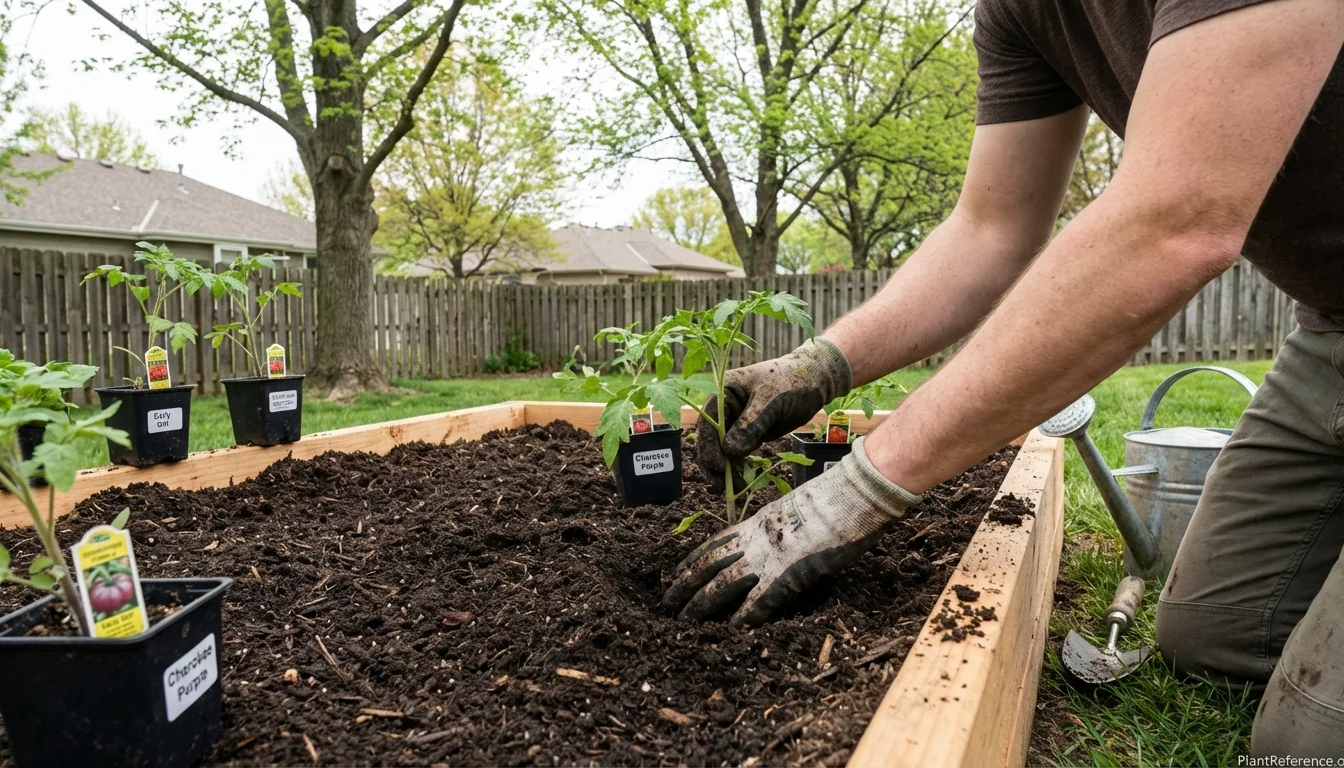
— Image © Plant Reference 2026
Kansas City gardeners have a real advantage when it comes to growing tomatoes - our Zone 6a climate offers a solid 193-day growing season that's just right for both quick-maturing varieties and those prized heirlooms that need extra time to develop their full flavor.
I've been growing tomatoes in the Kansas City area for over four decades, and I can tell you that timing is everything in Zone 6a. With our last frost typically hitting around April 14 and first frost not arriving until October 24, we have nearly 6.5 months to work with - plenty of time for both early producers and late-season beauties.
The key to success here isn't just knowing when our average last frost occurs, but understanding how Missouri's clay soil, variable spring weather, and summer heat patterns affect your tomato plants. Let me walk you through everything you need to know to grow exceptional tomatoes in the Kansas City metro area.
Best Tomato Varieties for Kansas City's Climate
After testing dozens of varieties in Kansas City's unique conditions, I've narrowed down the best performers for our Zone 6a climate. Each of these varieties handles our Missouri weather patterns differently, so choosing the right ones for your goals makes all the difference.
Early Season Champions (50-65 Days)
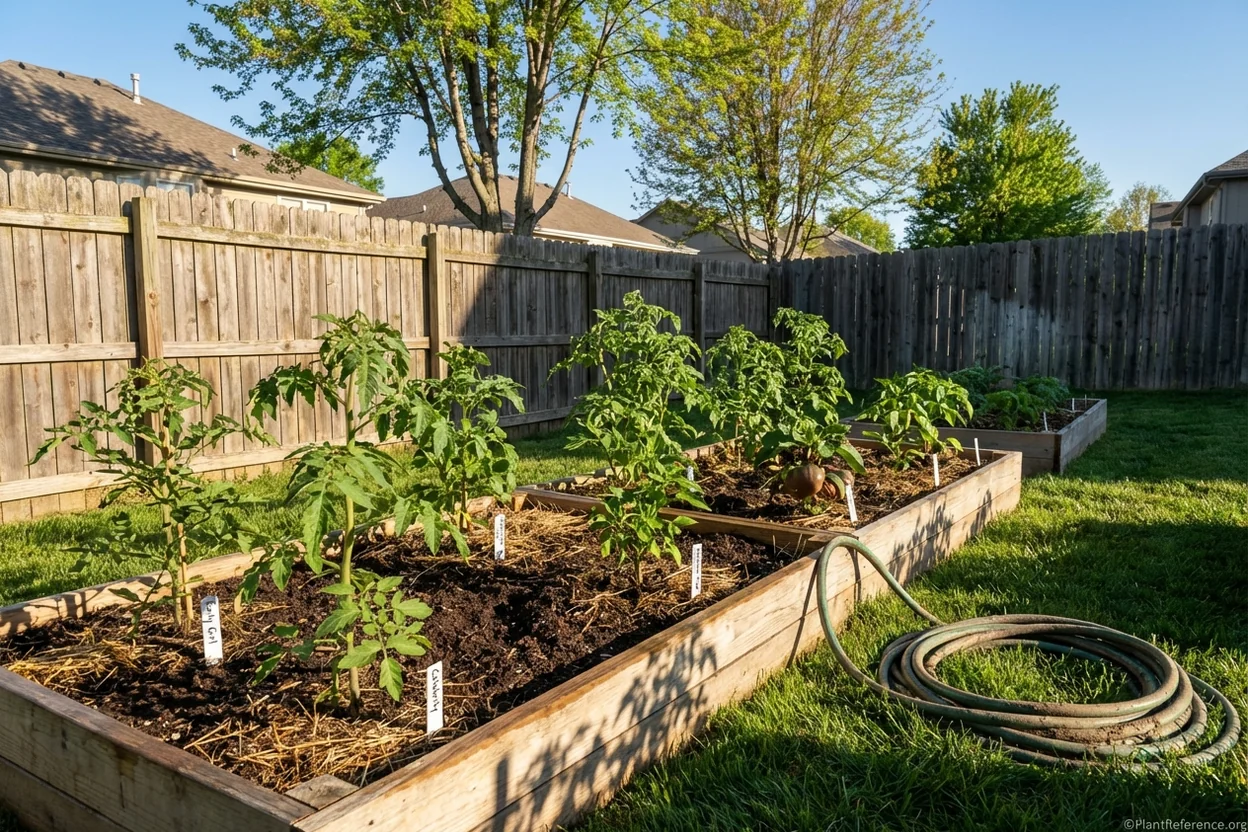
🌿Solanum lycopersicum 'Early Girl' is my go-to recommendation for Kansas City first-time growers. This F1 hybrid sets fruit reliably even when our spring nights dip into the 40s - something that stops most varieties cold. In our climate, it typically produces its first ripe fruits by late June, beating the intense July heat that can halt fruit set.
🌿Solanum lycopersicum 'Stupice' deserves special mention for Kansas City gardens. This Czech heirloom handles our unpredictable spring weather better than any variety I've grown. When other plants sulk through cool, damp May weather, 'Stupice' keeps growing steadily. It's also remarkably heat-tolerant for such an early variety, continuing to produce through August heat waves that shut down other plants.
🌿Solanum lycopersicum 'Sungold' cherry tomatoes are practically foolproof in Kansas City. They start producing in early July and don't stop until frost. The only issue I've encountered is fruit splitting after heavy summer thunderstorms - harvest at the orange stage if rain is forecast.
Variety | Days to Maturity | Best For | Notes for Kansas City |
|---|---|---|---|
50-62 days | Quick harvest | Perfect for unpredictable springs | |
52-60 days | Cold tolerance | Handles cool May weather | |
55-65 days | Continuous harvest | Watch for splitting after storms | |
75-90 days | Flavor quality | Thrives in Missouri humidity | |
78-85 days | Canning/sauce | Needs consistent watering | |
80-100 days | Premium flavor | Challenging but rewarding |
Mid-Season Heirlooms (75-90 Days)
🌿Solanum lycopersicum 'Cherokee Purple' was practically made for Kansas City's climate. This variety originated in the Southeast and handles our summer humidity without the foliar disease problems that plague other large heirlooms. The flavor is outstanding - complex, sweet, and smoky. I've consistently gotten 12-15 pound yields per plant when properly staked and pruned.
🌿Solanum lycopersicum 'San Marzano' performs well here, but requires attention to watering. Our clay soil can cause drainage issues during heavy rains, leading to blossom end rot. I always plant these in raised beds with added compost for better drainage.
Late-Season Challenges (90+ Days)
🌿Solanum lycopersicum 'Brandywine' is possible in Kansas City, but it's not for beginners. Our hot, humid summers stress this variety considerably. Success requires afternoon shade during peak summer heat and religious attention to watering consistency. When it works, though, the flavor justifies the effort.
Specific Planting Dates for Kansas City
Kansas City's Zone 6a classification tells us the average coldest temperature we'll see is -10°F to -5°F, but for tomato planning, the frost dates matter more. Here's exactly when to start and transplant for maximum success.
Indoor Seed Starting Timeline
March 10-17: Start seeds indoors 6-8 weeks before transplant date. Use seed starting mix and maintain 75-80°F soil temperature for germination. Kansas City's variable March weather makes indoor starting essential - outdoor direct seeding simply doesn't work reliably.
March 24-31: First true leaves appear. Move seedlings to individual 4-inch pots and place under grow lights or in brightest available window.
April 7-14: Begin hardening off process gradually. Our April weather can swing from 70°F days to 35°F nights, so start with just 2-3 hours outdoors on calm, mild days.
Transplant Timing
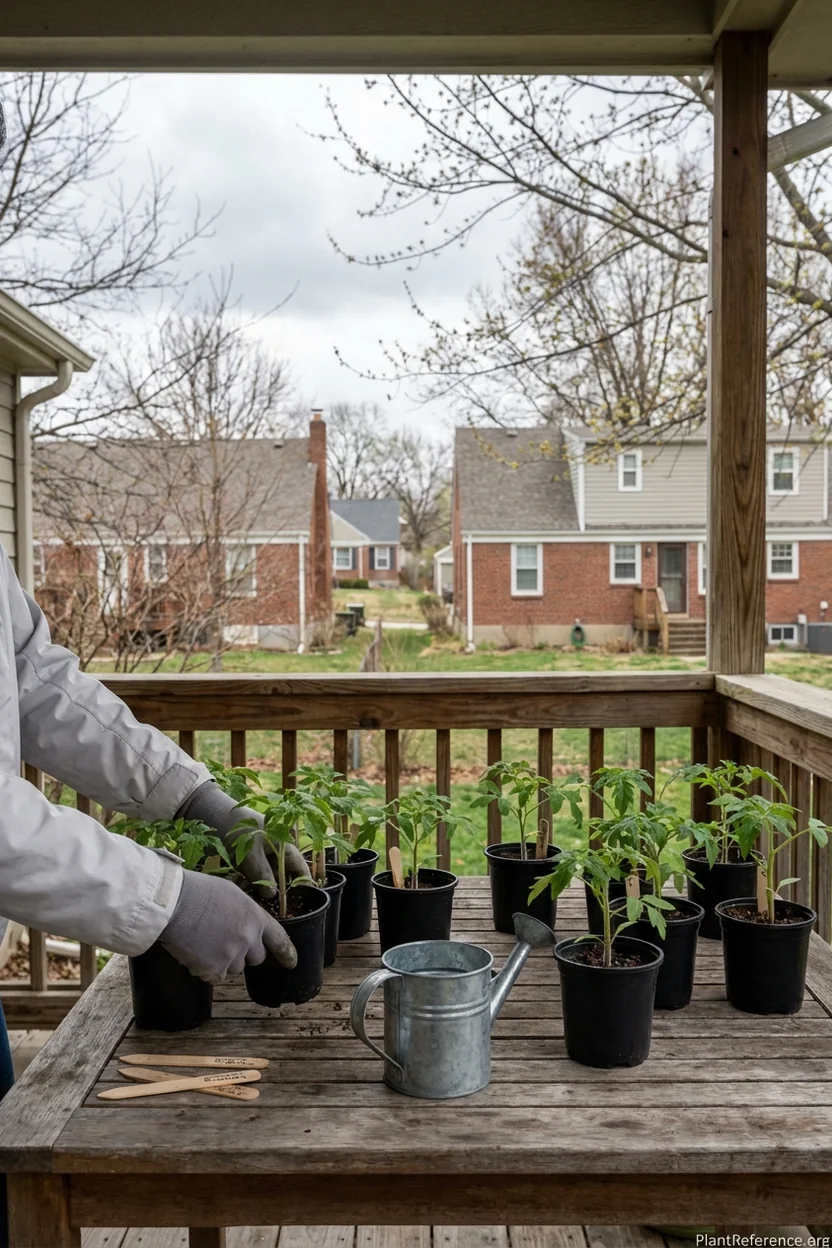
April 21-28: Safe transplant window for Kansas City. Soil temperature should be consistently above 60°F, and nighttime lows should stay above 45°F. I always check the 10-day forecast before transplanting - if temperatures below 40°F are predicted, wait another week.
Don't be tempted to plant earlier even if the weather looks good. Kansas City is notorious for late cold snaps, and one night of 35°F temperatures can set your plants back weeks or kill them outright.
Soil Temperature Guidelines
Kansas City's clay-heavy soil stays cold longer than lighter soils. Use a soil thermometer at 4-inch depth to verify temperature before transplanting. Our soil typically reaches 60°F consistently in the third or fourth week of April, but this can vary by 10-14 days depending on winter severity and spring weather patterns.
Complete Growing Guide for Kansas City
Success with tomatoes in Kansas City depends on working with our specific soil type, weather patterns, and pest pressure. Here's what four decades of growing has taught me about making the most of our Zone 6a conditions.
Soil Preparation for Missouri Clay
Most Kansas City soils contain significant clay content, which holds nutrients well but can create drainage problems during our heavy spring and summer rains. I always work 3-4 inches of compost into planting areas each spring to improve drainage and soil structure.
Test your soil pH every few years. Kansas City soils tend toward neutral or slightly alkaline (pH 7.0-7.5), but tomatoes prefer slightly acidic conditions (pH 6.0-6.8). If your soil is alkaline, work in sulfur or peat moss to lower the pH gradually.
Spacing and Staking
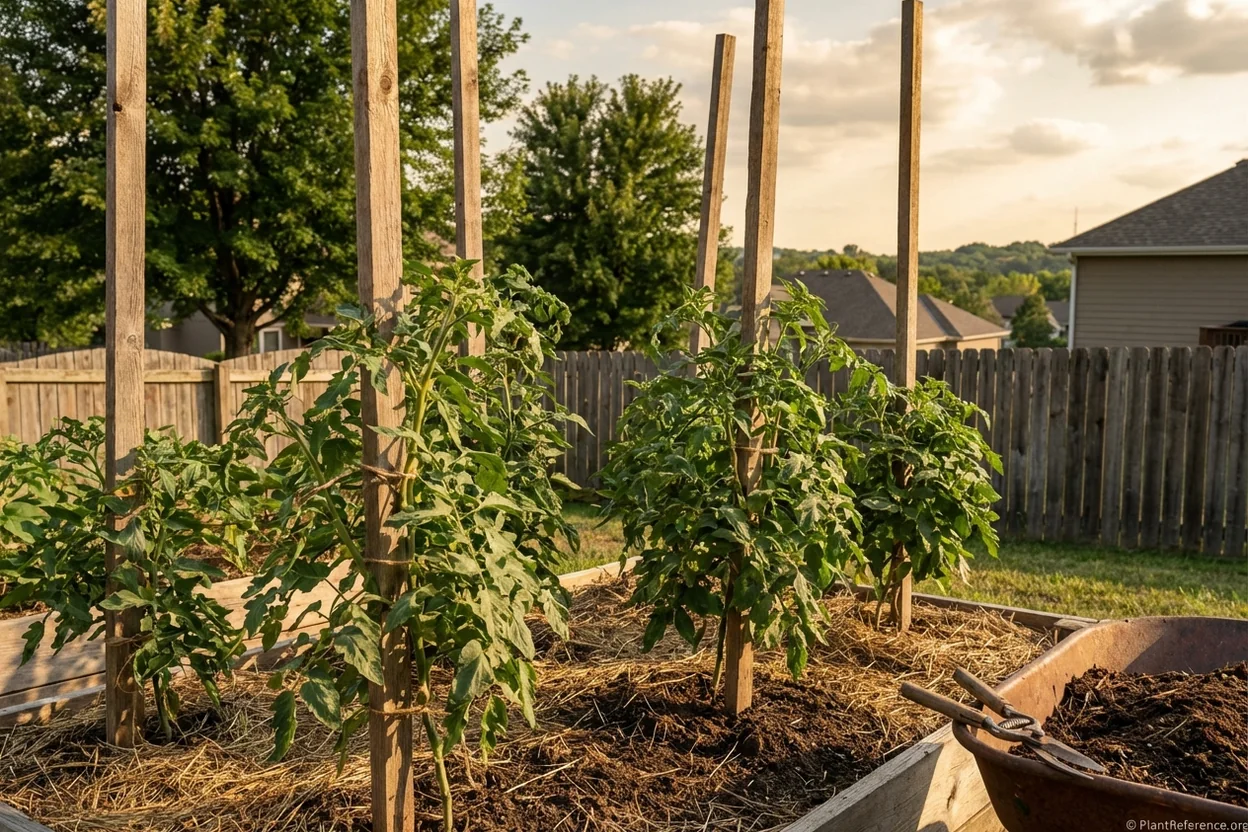
In our humid summers, air circulation prevents foliar diseases. Space indeterminate varieties 3-4 feet apart and stake them immediately after planting. I use 8-foot tall stakes driven 18 inches into the ground - Kansas City thunderstorms produce strong winds that can topple inadequately supported plants.
Determinates like 🌿Solanum lycopersicum 'Early Girl' can be spaced closer at 2-3 feet apart and supported with sturdy cages.
Watering Strategy for Kansas City Climate
Our summers typically bring periods of both drought and excessive rainfall. Consistent soil moisture is critical, especially for varieties prone to blossom end rot like 🌿Solanum lycopersicum 'San Marzano'.
I recommend drip irrigation or soaker hoses rather than overhead sprinklers. Overhead watering in our humid climate promotes foliar diseases like early blight and septoria leaf spot. Water deeply 1-2 times per week rather than light daily watering to encourage deep root development.
Mulch heavily with 3-4 inches of organic material (straw, shredded leaves, or grass clippings) to maintain soil moisture during dry spells and prevent soil from becoming waterlogged during heavy rains.
Fertilization Schedule
Kansas City's relatively fertile soils usually need modest supplementation. I side-dress plants with compost or a balanced fertilizer (10-10-10) when first fruits reach golf ball size, then monthly through August.
Avoid high-nitrogen fertilizers after early July, as they promote excessive foliage growth at the expense of fruit production during our hot summer period.
Troubleshooting Kansas City-Specific Problems
Four decades of Kansas City tomato growing has shown me the same problems crop up year after year. Here's how to identify and address the most common issues in our Zone 6a climate.
Spring Transplant Problems
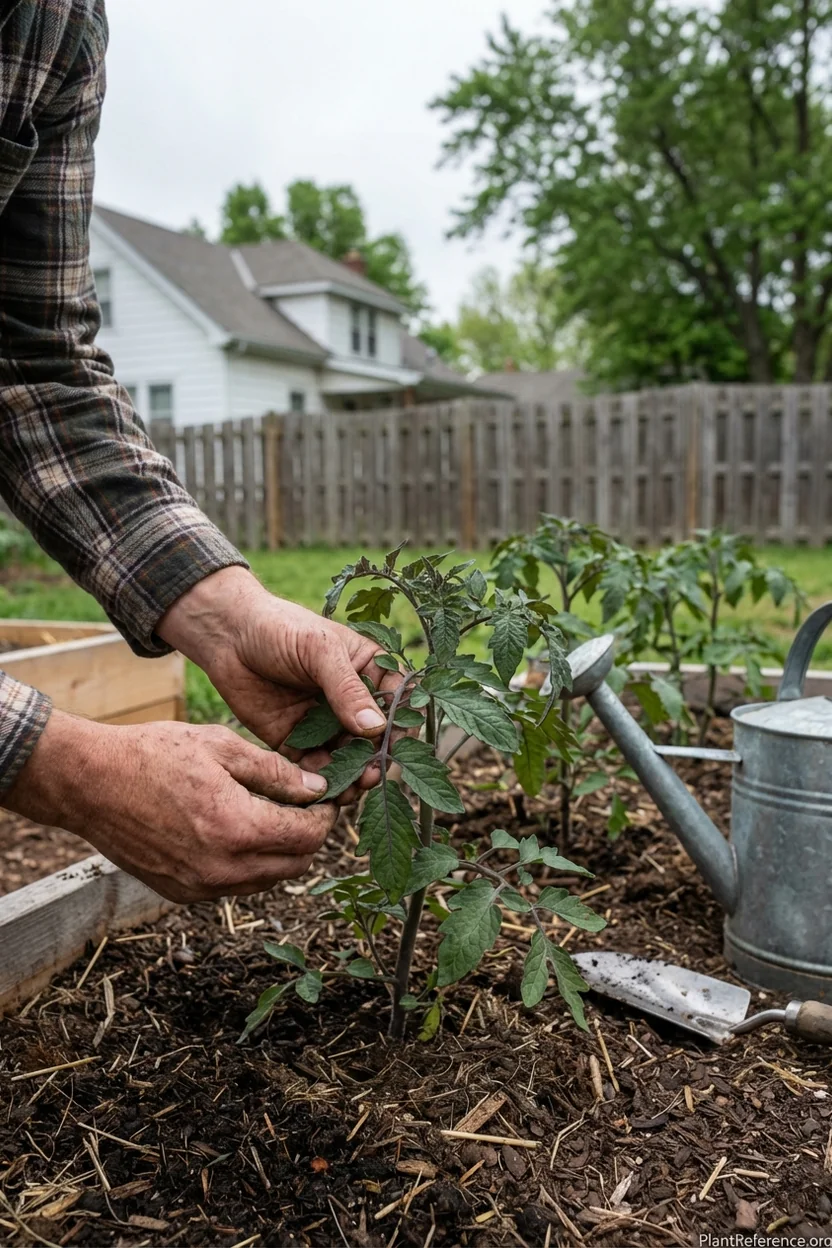
Purple Leaves After Transplanting: Cool May soil temperatures below 55°F prevent phosphorus uptake, causing leaves to turn purple. This is extremely common in Kansas City's clay soil. Solution: Be patient and wait for soil to warm naturally. Foliar feeding won't help because cold slows all plant processes.
Stunted Growth in Early Season: Usually caused by transplanting into cold soil or exposure to temperatures below 45°F. Prevention is better than treatment - wait for consistent soil temperatures above 60°F before transplanting.
Summer Heat and Storm Issues
Blossom Drop During Heat Waves: Kansas City summers regularly reach 95-100°F with high humidity. Tomato pollen becomes sterile when nighttime temperatures exceed 75°F or daytime temperatures stay above 90°F for extended periods. 🌿Solanum lycopersicum 'Cherokee Purple' and 🌿Solanum lycopersicum 'Stupice' show better heat tolerance than 🌿Solanum lycopersicum 'Brandywine'.
Fruit Splitting After Thunderstorms: Our intense summer storms can dump 2-3 inches of rain in an hour, causing rapid water uptake and fruit splitting, especially in cherry varieties like 🌿Solanum lycopersicum 'Sungold'. Harvest ripe fruit before predicted storms, and maintain consistent soil moisture with mulch and drip irrigation.
Disease Pressure in Humid Conditions
Early Blight (Alternaria): The most common problem in Kansas City gardens. Symptoms start as dark spots with concentric rings on lower leaves, progressing upward. Humidity from our clay soil and summer thunderstorms creates ideal conditions. Prevention: stake plants for air circulation, mulch to prevent soil splash, and remove lower leaves as plants grow.
Septoria Leaf Spot: Small brown spots with light centers on leaves, common during humid periods. More severe on heirloom varieties like 🌿Solanum lycopersicum 'Brandywine' and 🌿Solanum lycopersicum 'Cherokee Purple'. Management: improve air circulation and avoid overhead watering.
Harvest & Storage
Kansas City's long growing season means extended harvest opportunities, but timing matters for both quality and storage success.
Peak Harvest Timing
Early Varieties (🌿Solanum lycopersicum 'Early Girl', 🌿Solanum lycopersicum 'Stupice'): First harvest typically begins late June to early July. Pick regularly to encourage continued production through summer heat.
Mid-Season Varieties (🌿Solanum lycopersicum 'Cherokee Purple', 🌿Solanum lycopersicum 'San Marzano'): Peak harvest runs from mid-July through September. These handle Kansas City's summer heat better than late varieties.
Late Varieties (🌿Solanum lycopersicum 'Brandywine'): If grown successfully, harvest begins in August and continues until first frost around October 24.
End-of-Season Strategy
Kansas City's first frost typically arrives October 24, but this can vary by 2-3 weeks. Monitor weather forecasts starting in early October. When frost threatens, harvest all mature green tomatoes and ripen them indoors at room temperature.
Green tomatoes can be wrapped individually in newspaper and stored in a cool (60-70°F) location for gradual ripening through November. This extends your harvest well into fall.
Storage and Preservation
Fresh tomatoes from varieties like 🌿Solanum lycopersicum 'Cherokee Purple' are best used immediately for peak flavor. 🌿Solanum lycopersicum 'San Marzano' excels for canning and sauce making - the low moisture content means less cooking time to achieve thick consistency.
For long-term storage, freeze whole cherry tomatoes like 🌿Solanum lycopersicum 'Sungold' for winter cooking. Larger varieties can be cored and frozen whole, or processed into sauce before freezing.
Frequently Asked Questions
Reading about plants and recognising them are different skills. These three build the second.
- Daily PlantIdentify the day’s mystery plant from a close-up photograph.
- Keyed OutWork a dichotomous key, lead by lead, to name a hidden specimen.
- Name That PlantName a specimen from botanical clues dealt hardest first.
Free to play, no account needed
Bill is a third-generation nurseryman who runs a small family garden center on the outskirts of Kansas City. His grandfather started the business in the 1960s, and Bill took over after working as an ag teacher for a decade. He knows the plants that work in the Kansas City area better than anyone—he's grown most of them himself and watched customers succeed or fail with the rest. Bill specializes in trees and shrubs for the Midwest, perennial borders that handle the region's hot summers and cold winters, and helping customers make sensible choices rather than impulse buys. He writes the way he talks to customers: patient, knowledgeable, and honest about what's worth the money and what isn't.