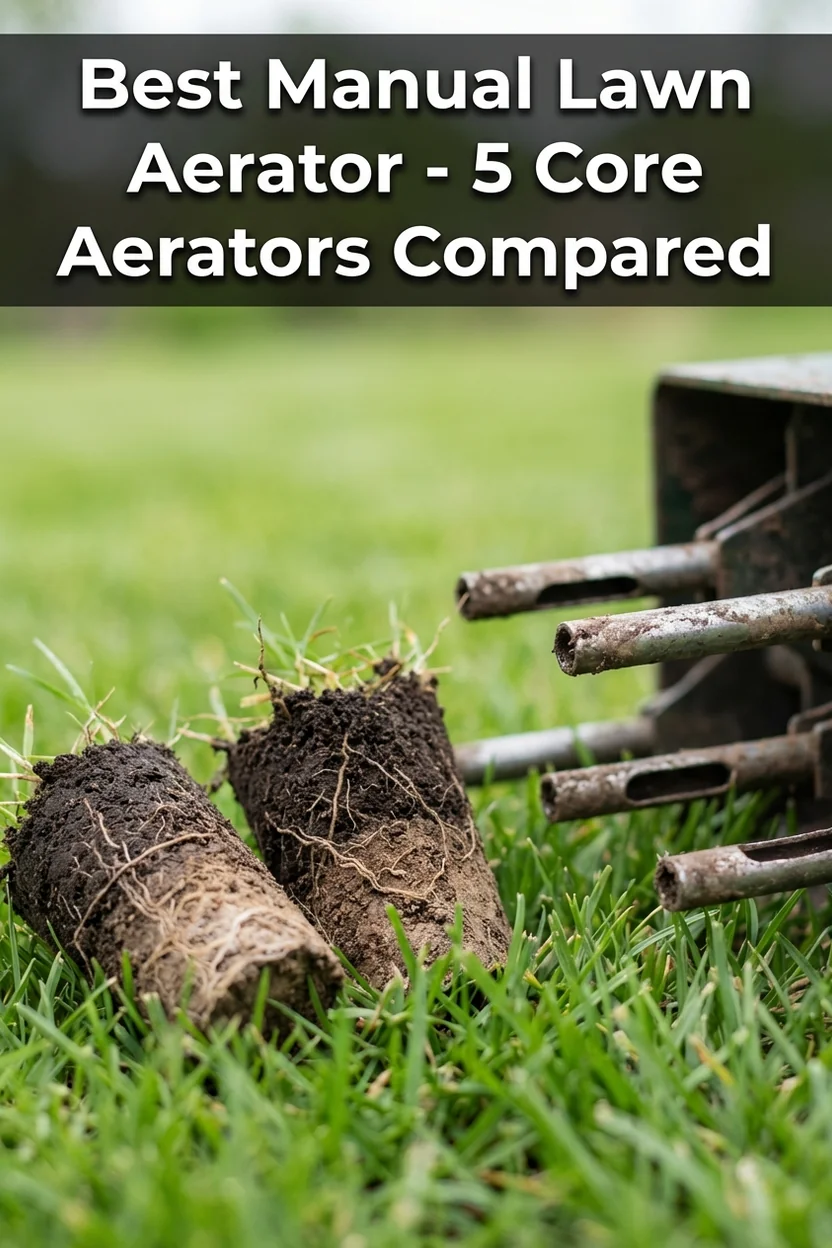
Best Manual Lawn Aerator: 5 Core Aerators Tested for Home Lawns
— Image © Plant Reference 2026
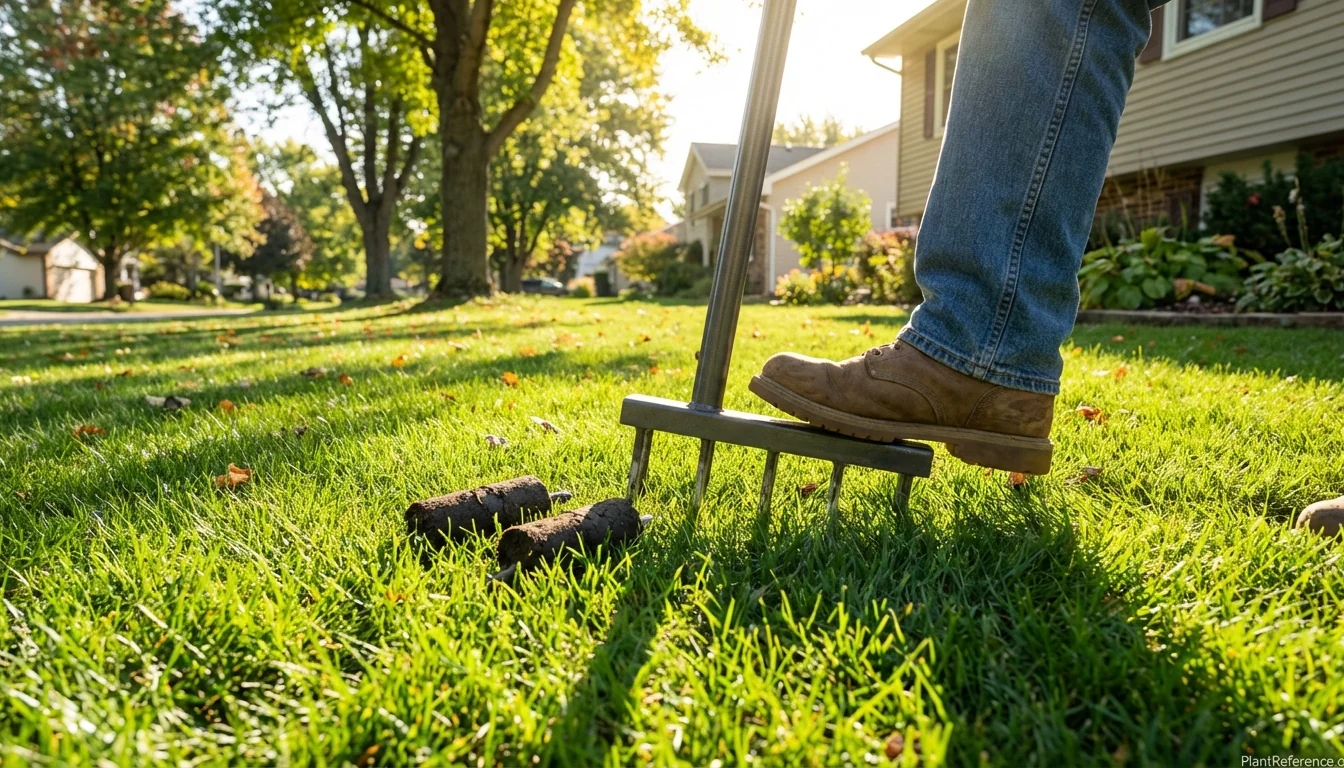
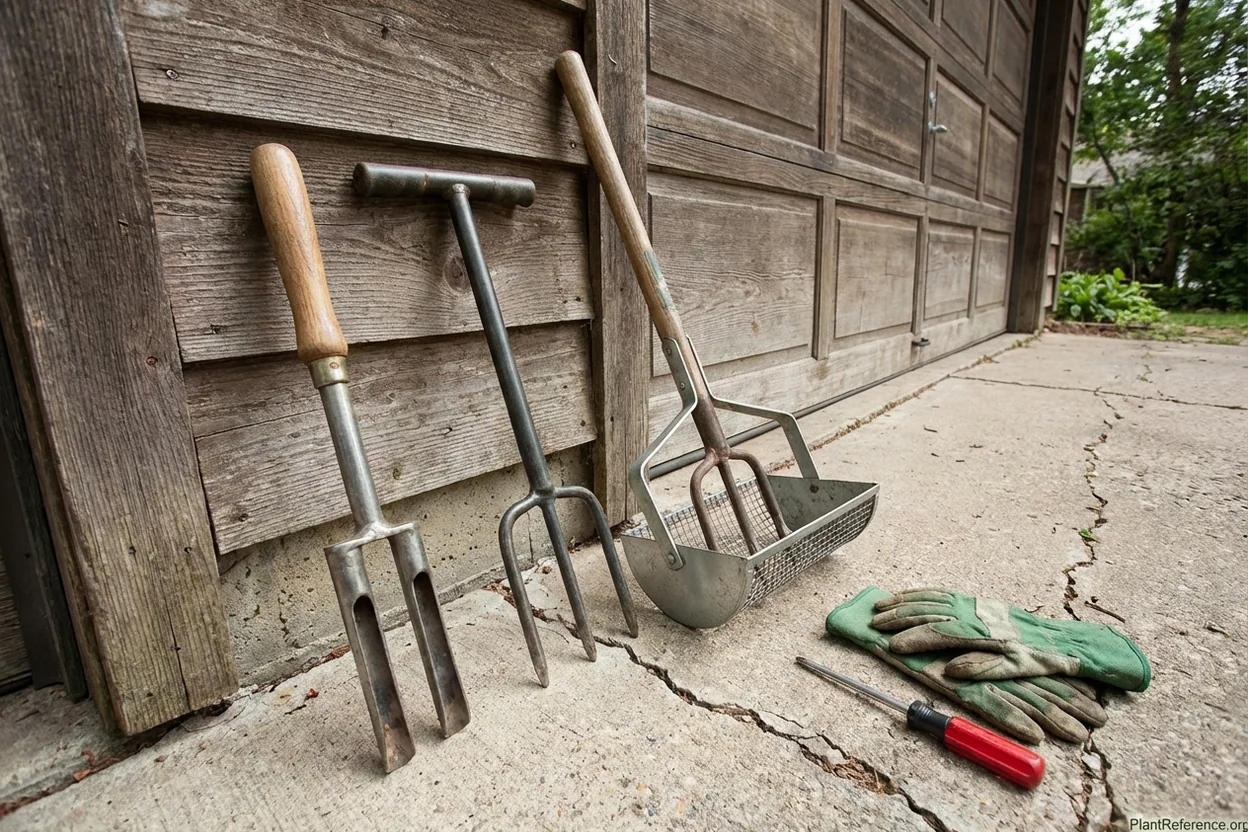
I keep a Yard Butler core aerator in my truck year-round. Not because I use it on every lawn — for full-yard aeration, a power machine is the only practical tool — but because there is always a compacted path between the driveway and the back gate, a high-traffic turn where the mower pivots, or a spot where the rental machine missed a strip. A manual core aerator handles these targeted jobs in five minutes without booking a rental.
When a Manual Aerator Makes Sense
Manual core aerators fill a specific niche. They are the right tool when your lawn is under 2,000 sq ft and a rental machine is overkill, when you need to spot-aerate compacted areas without doing the whole yard, when the rental place is booked during the September rush, or when you want to aerate annually without recurring rental costs.
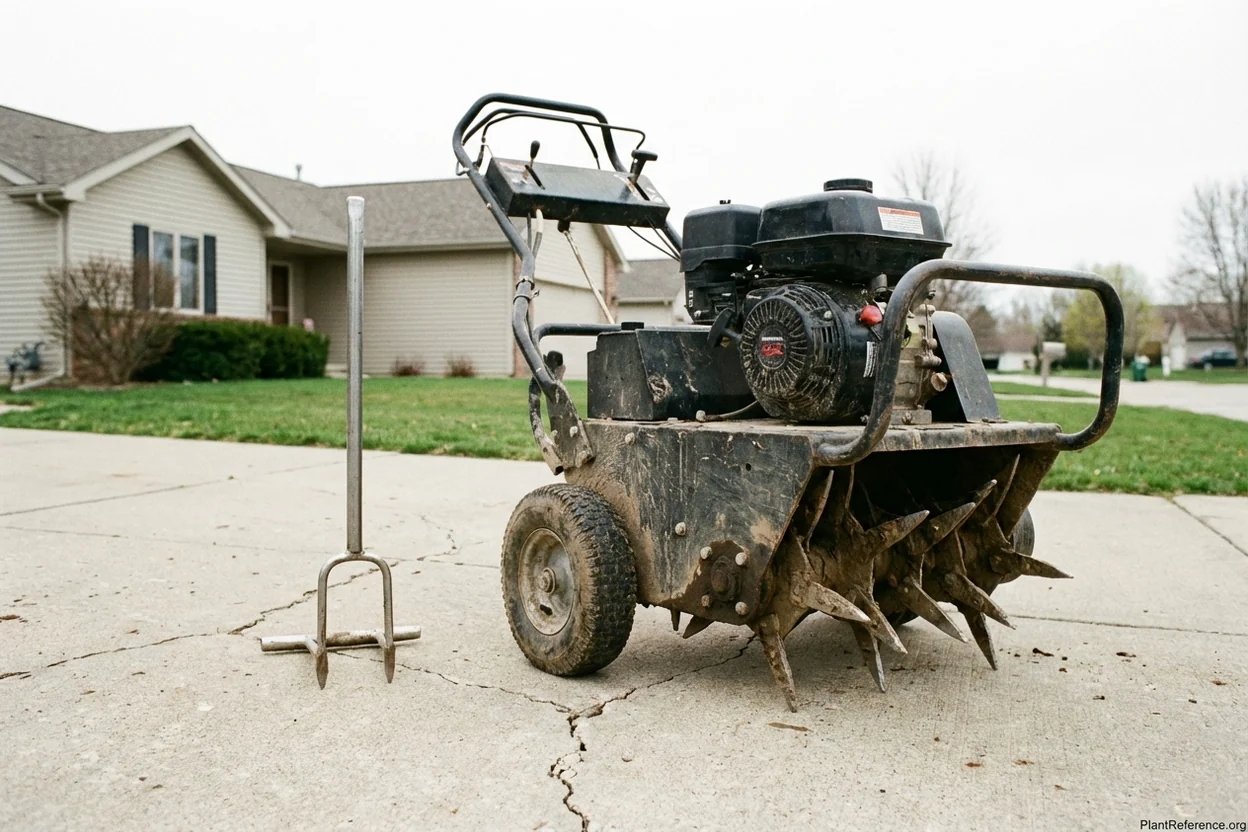
They are the wrong tool for lawns over 3,000 sq ft — at that size, manual aeration becomes a multi-hour workout that produces fewer holes per square foot than a 30-minute machine pass. The threshold where renting makes more sense than manually stepping is somewhere around 2,000-3,000 sq ft depending on your fitness and patience. Lawn Care Schedule by Month: Your Complete Cool-Season Grass Calendar
What to Look For
Hollow Tines, Not Spikes
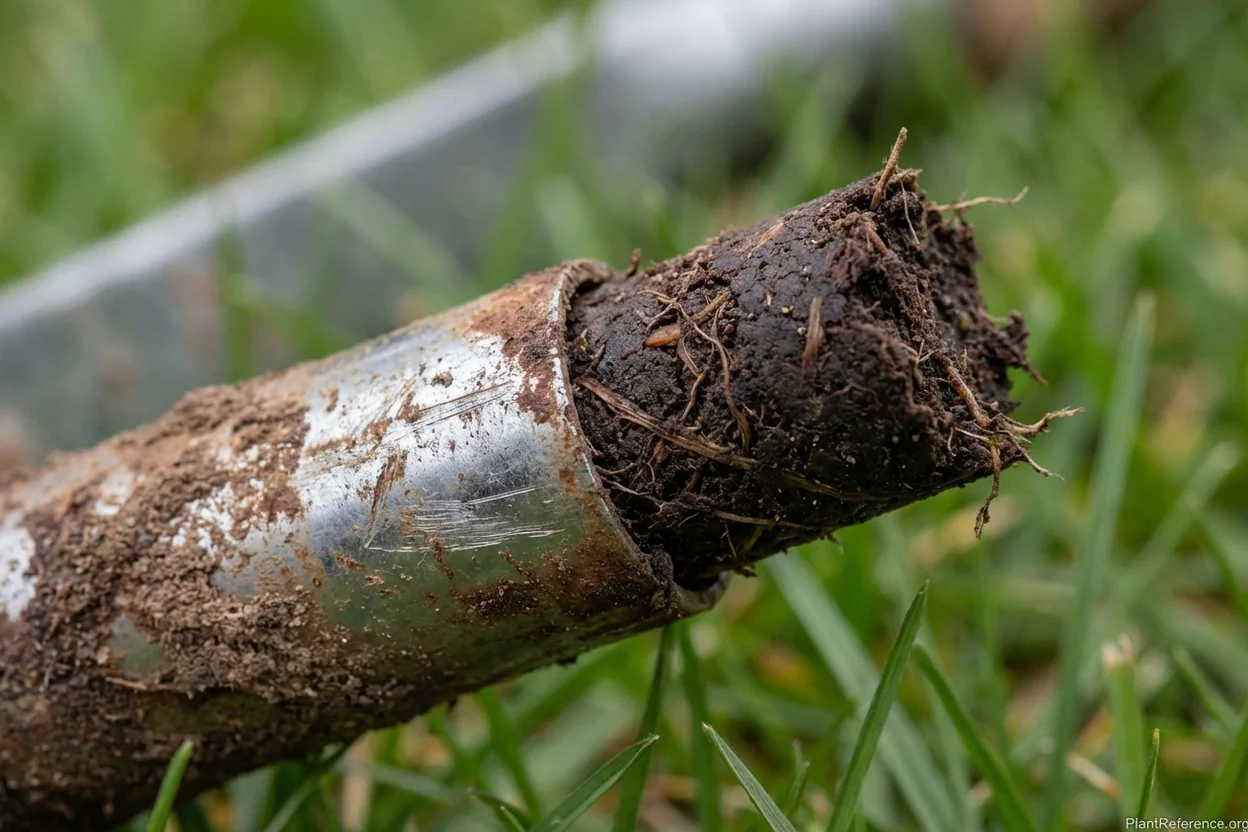
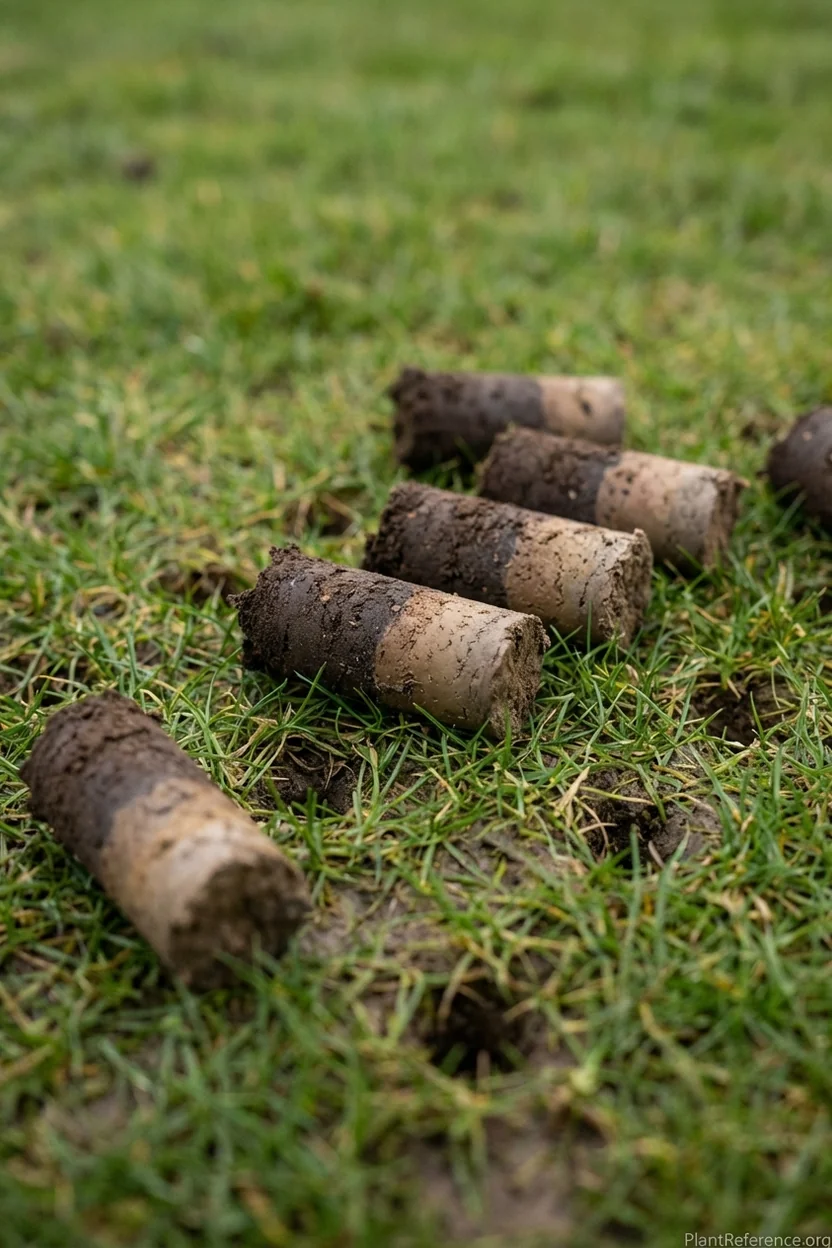
This is the only feature that truly matters. The aerator must have hollow tines that remove soil plugs — not solid spikes that just poke holes. Spike aerators (including strap-on aerator shoes) compress the soil around each hole, making compaction worse in the long run. Only hollow-tine core aerators create genuine pore space by physically removing soil from the ground. When and How to Aerate Your Lawn: Timing, Method, and Results
Plug Depth
Look for tines that reach at least 2.5-3.5 inches (6-9 cm) into the soil. Shallow plugs (under 2 inches) provide minimal compaction relief. The deeper the core, the more effectively water, air, and roots can penetrate.
Clogging Resistance
The biggest frustration with manual core aerators is tine clogging — soil packs into the hollow tines and stops ejecting, requiring you to stop and poke it out with a screwdriver. Better designs use slotted or half-open tines that self-eject plugs as you step. Some models include a soil collection tray that catches ejected plugs.
Handle Length and Ergonomics
A 37-40 inch handle with a foot bar for leverage is essential. Shorter tools force you to bend, causing back strain. A T-bar handle with cushioned grips reduces hand fatigue over extended use. Lawn Mowing Height Guide: The One-Third Rule and Seasonal Timing
The 5 Best Manual Core Aerators
1. Yard Butler ID-6C — Best Overall
The Yard Butler is the manual core aerator I have used the longest and recommend the most. It removes two 3.5-inch plugs per step with a simple stomp-and-pull motion. The 37-inch powder-coated steel construction feels solid without being excessively heavy, and the foot bar provides enough leverage to penetrate even moderately compacted clay.
The main trade-off is the two-tine design — it covers less ground per step than 3-4 tine competitors, meaning more steps to cover the same area. For spot aeration this barely matters. For a full small lawn, budget 45-60 minutes per 1,000 sq ft. The lifetime guarantee from Yard Butler is a genuine differentiator — if the tool breaks from normal use, they replace it.
Price: $35-50 | Tines: 2 hollow | Depth: 3.5 inches | Handle: 37 inches Best for: Spot aeration, small lawns under 2,000 sq ft, homeowners who want a buy-it-for-life tool.
2. Walensee Lawn Coring Aerator — Best Budget 3-Tine
The Walensee offers three hollow tines at a budget price point, pulling 50% more plugs per step than the two-tine Yard Butler. The T-bar handle with foot bar design is similar to most step-on aerators, and the build quality is adequate for annual home use.
Plug depth reaches approximately 3 inches on moist soil. The tines are not slotted, so clogging is more frequent than models with self-ejecting designs — keep a screwdriver handy. At $20-30, it is the most affordable core aerator that actually works.
Price: $20-30 | Tines: 3 hollow | Depth: ~3 inches | Handle: 38 inches Best for: Budget-conscious homeowners who aerate once per year on small to medium lawns.
3. EEIEER Manual Aerator with Soil Storage Basket — Best Anti-Clog Design
The EEIEER stands out for its soil storage basket — a collection tray attached to the tool that catches ejected plugs so they do not scatter across the lawn. This is a practical feature for homeowners who want a cleaner aeration process, though leaving plugs on the surface to decompose is actually beneficial for the lawn.
The 3 coring tines with 3.9-inch depth penetrate deeper than most competitors. The one-piece base construction is more durable than welded designs that can crack at the joints. The included cleaning stick clears clogged tines without improvising with a screwdriver. At $25-40, the EEIEER offers the best feature set at a mid-range price.
Price: $25-40 | Tines: 3 hollow | Depth: 3.9 inches | Handle: 38 inches Best for: Homeowners who want deeper cores, less clogging, and a cleaner lawn surface after aerating.
4. Hermsche 3-Tine Semi-Hollow Core Aerator — Best for Hard Soil
The Hermsche uses a semi-hollow tine design with half-open slots that reduce clogging by approximately 90% compared to fully enclosed hollow tines (per the manufacturer). This design sacrifices some plug integrity — the cores crumble more than solid plugs — but eliminates the frustrating stop-and-clear cycle that plagues standard hollow tines on clay soil.
The tines are 5.5 inches long — the longest on this list — though practical penetration depth depends on soil hardness and your body weight. The alloy construction supports up to 200 lbs and the included cleaning stick handles the rare blockage. Build quality is good for the $25-35 price range.
Price: $25-35 | Tines: 3 semi-hollow | Depth: Up to 5.5 inches | Handle: 39 inches Best for: Heavy clay soils where standard hollow tines clog constantly.
5. Landzie Fork Aerator — Best Handheld Design
Unlike the step-on tools above, the Landzie is a handheld fork aerator — you grip it with both hands and drive it into the soil manually. Its 3 stainless steel open-faced tines are the most clog-resistant design available because they are fully exposed on one side, allowing plugs to eject with every insertion.
The handheld design provides more precision for targeted aeration around trees, along edges, and in tight spots where a step-on tool would be awkward. The trade-off is speed — it is slower per square foot than step-on models because you cannot use body weight as effectively. At $50-70, it is the most expensive tool on this list but the build quality is exceptional.
Price: $50-70 | Tines: 3 open-faced stainless steel | Depth: 3 inches | Handle: Handheld Best for: Targeted spot aeration, edges, around trees, and homeowners who prioritize zero clogging.
Model | Price | Tines | Depth | Anti-Clog | Best For |
|---|---|---|---|---|---|
Yard Butler ID-6C | $35-50 | 2 hollow | 3.5 in | Standard | Overall best, lifetime guarantee |
Walensee Coring Aerator | $20-30 | 3 hollow | ~3 in | Standard | Budget pick |
EEIEER with Basket | $25-40 | 3 hollow | 3.9 in | Storage tray + cleaning stick | Deepest cores, cleanest process |
Hermsche Semi-Hollow | $25-35 | 3 semi-hollow | Up to 5.5 in | Semi-hollow slots (90% less clogging) | Hard clay soil |
Landzie Fork Aerator | $50-70 | 3 open-faced stainless | 3 in | Open-faced (zero clogging) | Precision spot work |
Manual vs Machine: The Size Threshold
Under 1,500 sq ft: Manual Is Ideal
A manual core aerator handles a 1,500 sq ft lawn in 30-45 minutes with adequate hole density. At this size, renting a power aerator costs more than buying a manual tool outright and requires transporting a 200+ lb machine.
1,500-3,000 sq ft: Either Works
This is the gray zone. Manual aeration is doable but takes 60-90+ minutes of repetitive stepping. If you enjoy the exercise, manual works. If you want it done in 20 minutes, rent the machine. Lawn Fertilization Schedule: When and What to Feed by Grass Type
Over 3,000 sq ft: Rent the Machine
Above 3,000 sq ft, manual aeration becomes impractical. A walk-behind power aerator covers 3,000 sq ft in 15-20 minutes with 20-40 holes per square foot — density that would take hours to replicate manually. Rental costs $60-100 per day from most equipment rental shops.
Getting the Most from Manual Aeration
Water First
Soak the lawn with 0.5-1 inch of water the day before aerating. Moist soil allows tines to penetrate fully and produce clean, complete plugs. Dry soil resists penetration and produces shallow, crumbly cores. Saturated soil clogs tines and creates a muddy mess.
Work Systematically
Move in parallel rows across the lawn, stepping every 4-6 inches (10-15 cm) for adequate hole density. Make a second pass perpendicular to the first for maximum coverage. Mark your starting edge so you know where you have already aerated.
Combine with Overseeding
The best time to manually aerate is September (cool-season) or June (warm-season) — the same window for overseeding and fertilizing. After aerating, broadcast seed and fertilizer over the freshly aerated lawn. Seeds drop into the core holes for perfect soil-to-seed contact. How to Overseed Your Lawn: Timing, Seed Selection, and Technique
Maintain the Tool
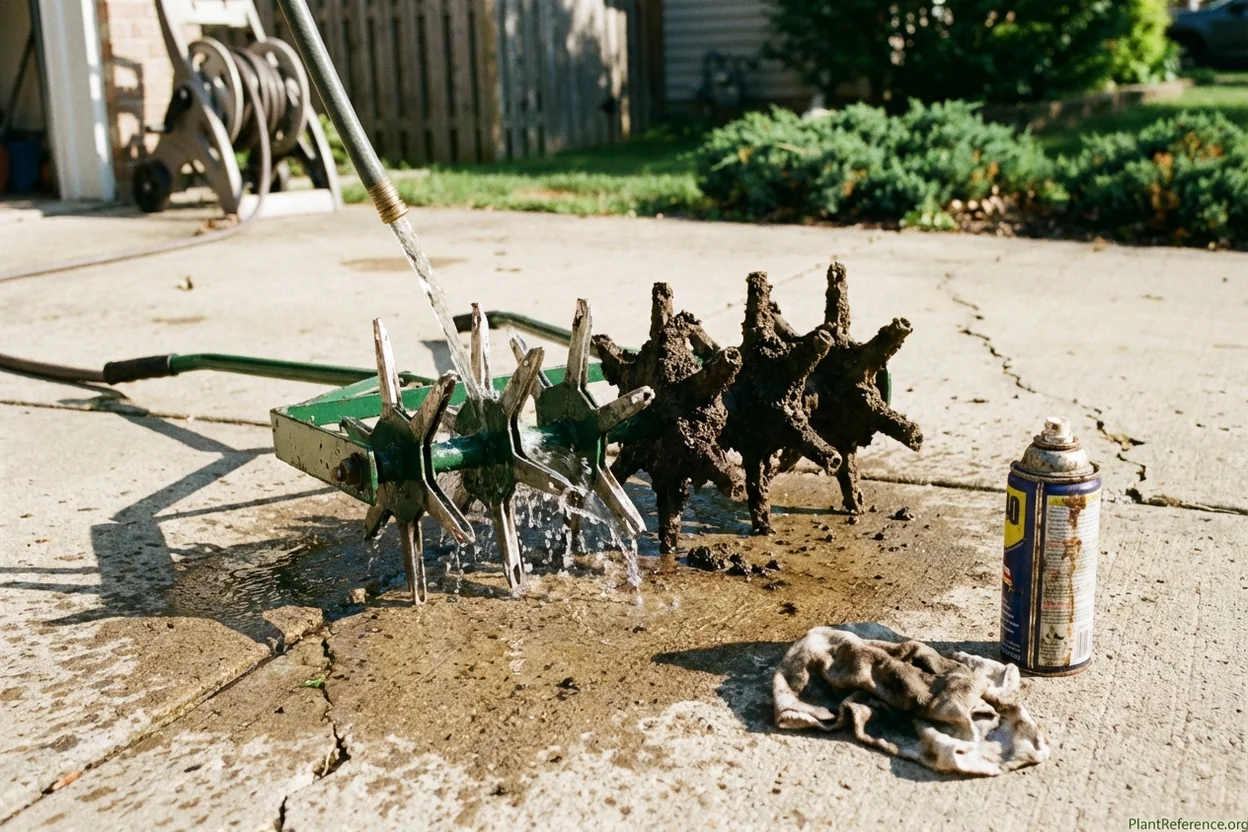
Rinse the tines after every use and wipe with an oily rag to prevent rust. Coat the inside of hollow tines with light oil (WD-40 or cooking spray) before each session to improve plug ejection and reduce clogging.
Frequently Asked Questions
Reading about plants and recognising them are different skills. These three build the second.
- Daily PlantIdentify the day’s mystery plant from a close-up photograph.
- Keyed OutWork a dichotomous key, lead by lead, to name a hidden specimen.
- Name That PlantName a specimen from botanical clues dealt hardest first.
Free to play, no account needed
Tagged with
James is a lawn care professional in Dallas who runs a small residential maintenance company. He started mowing lawns as a teenager and worked his way up to running crews for a large landscaping firm before going out on his own. James specializes in warm-season turf grasses—Bermuda, St. Augustine, and Zoysia—and knows how to keep a lawn alive through Texas summers without wasting water. He's also experienced with the transition zone challenges that Dallas faces, where warm-season and cool-season grasses overlap. James takes a practical, science-informed approach to lawn care and pushes back on the idea that a good lawn requires heavy chemical inputs.