Best Arborist Insurance: Coverage Types, Costs, and Providers for 2026
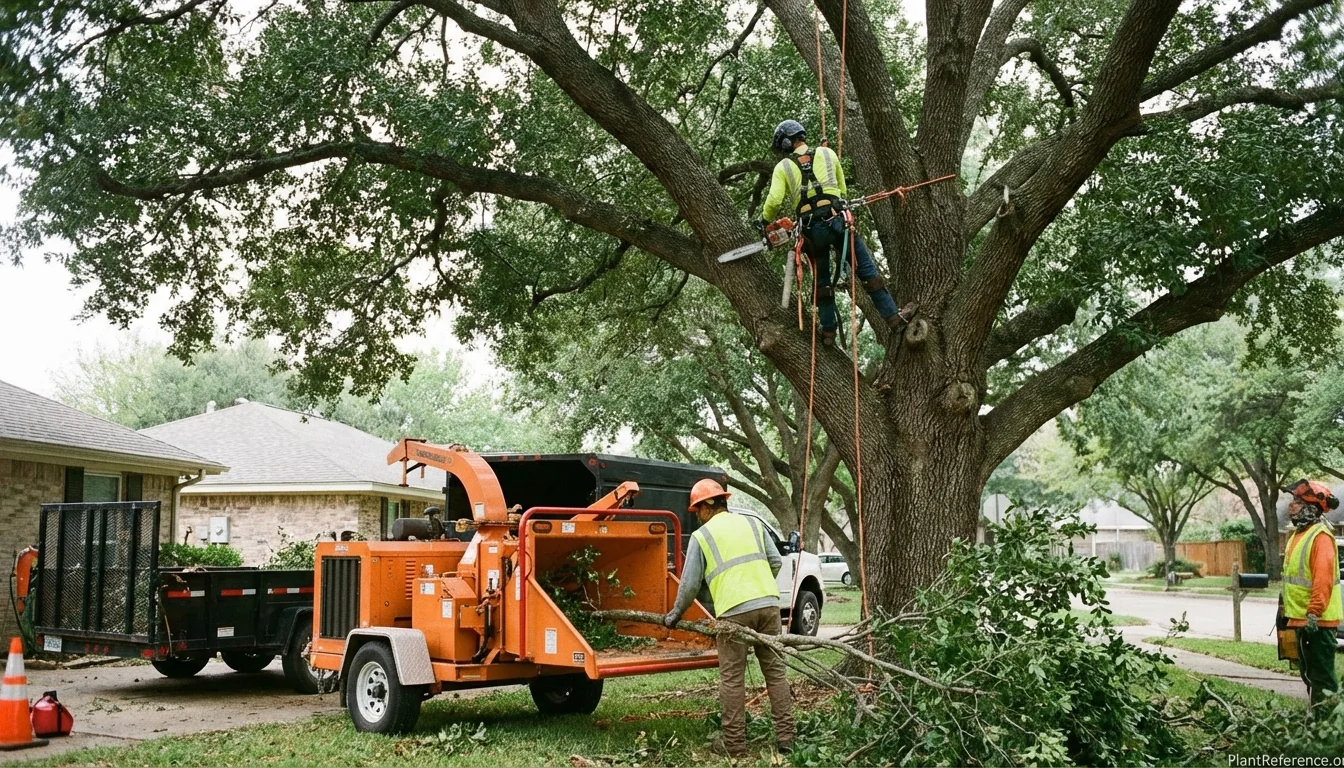
— Image © Plant Reference 2026
Arborist insurance is the single largest overhead expense most tree care businesses underestimate. I've seen new operators quote jobs without factoring in their true insurance cost, then discover they're working at a loss once premiums come due. The tree care industry carries some of the highest insurance rates in the trades—justified by the reality that we work at height with chainsaws near houses, power lines, and people. Getting the right coverage at the right price is a business survival skill. Here's what you actually need, what it costs, and how to keep premiums from eating your margins. How to Write a Tree Care Plan: The Complete 2026 Guide
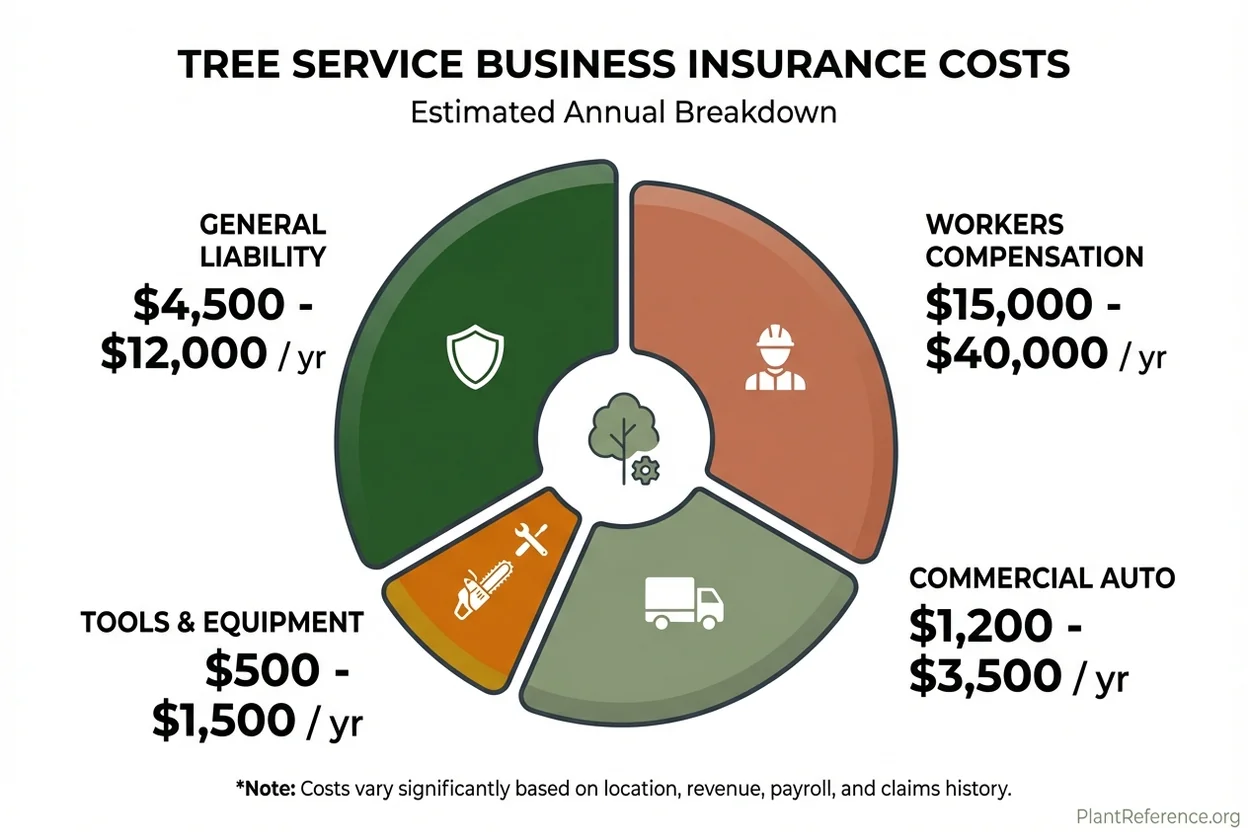
Insurance Cost Breakdown by Policy Type
Policy Type | Annual Cost | What It Covers | Required? |
|---|---|---|---|
General Liability | $2,500-10,000 | Property damage from falling limbs, third-party injuries | Yes (contracts require it) |
Workers' Compensation | $15-25 per $100 payroll | Crew injuries: falls, chainsaw accidents, struck-by | Yes (legally required in most states) |
Commercial Auto | $1,500-5,000/vehicle | Bucket truck and chipper trailer accidents | Yes (legally required) |
Tools & Equipment | $500-2,000 | Theft and accidental damage to saws, rigging, gear | Recommended |
Professional Liability | $800-2,500 | Errors in consulting advice, incorrect species ID | Recommended for consultants |
Umbrella/Excess | $1,000-5,000 | Additional coverage above primary policy limits | Recommended for larger operations |
General Liability Insurance
General liability is the policy that lets you work. Nearly every residential and commercial contract requires proof of general liability before you touch a tree. Coverage runs $2,500-10,000 annually depending on your revenue, crew size, and claims history. Most policies provide $1-2 million per occurrence with a $2-4 million aggregate. Tree Risk Assessment: TRAQ Methods, Levels, and What to Expect in 2026
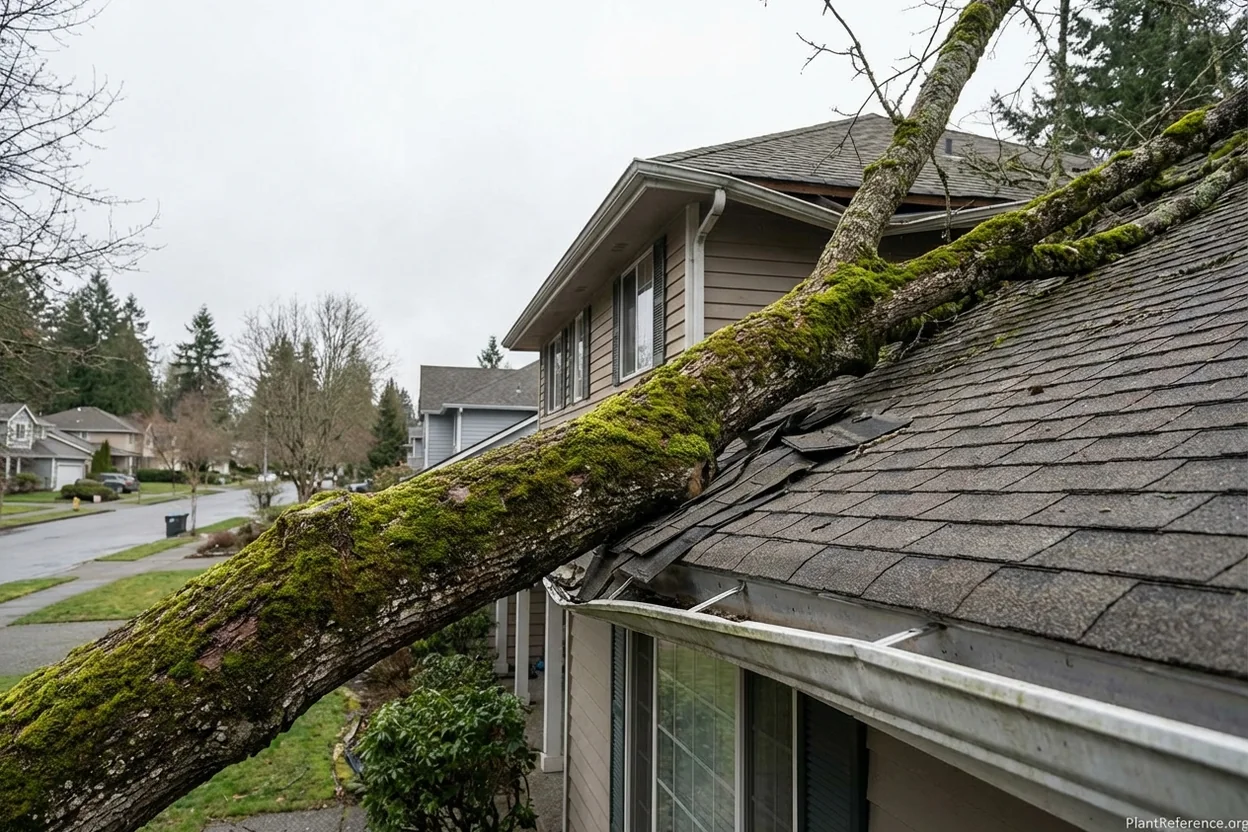
This covers property damage—a limb drops on a client's roof, a falling tree section hits their fence, your chipper damages their driveway. It also covers third-party bodily injury if a passerby is hurt by your operations. What it does not cover: damage to your own equipment, injuries to your employees, or vehicle accidents. Those require separate policies.
The most common coverage gap I see: operators carrying the minimum $1 million per occurrence when their typical job site includes a $500,000+ home within striking distance. A single tree failure onto a house can exceed $1 million in structural damage, contents loss, and temporary housing costs. For residential tree work, $2 million per occurrence should be your floor.
Workers' Compensation
Workers' comp is where tree care insurance gets expensive. The industry classification code carries rates of $15-25 per $100 of payroll—among the highest in any trade. For a three-person crew with $180,000 combined annual payroll, that's $27,000-45,000 per year just for workers' comp. This is the policy that makes or breaks your labor cost calculations. ANSI A300 Tree Care Standards: What Every Arborist Needs to Know in 2026
Workers' comp is legally required in nearly every state for businesses with employees. It covers medical expenses, lost wages, and rehabilitation for work injuries—falls from height, chainsaw lacerations, struck-by incidents from falling wood, and the repetitive stress injuries common in climbers. The claims that drive tree care rates so high are the catastrophic ones: spinal cord injuries from falls, amputations from saw accidents, and crush injuries from struck-by events.
Your Experience Modification Rate (EMR) is the single biggest factor in your premium. A clean safety record drops your EMR below 1.0, reducing premiums by 10-30%. A serious claim pushes your EMR above 1.0 for three years, potentially doubling your costs. One bad year with a serious injury can cost $50,000-100,000+ in premium increases over the following three years—on top of the human cost.
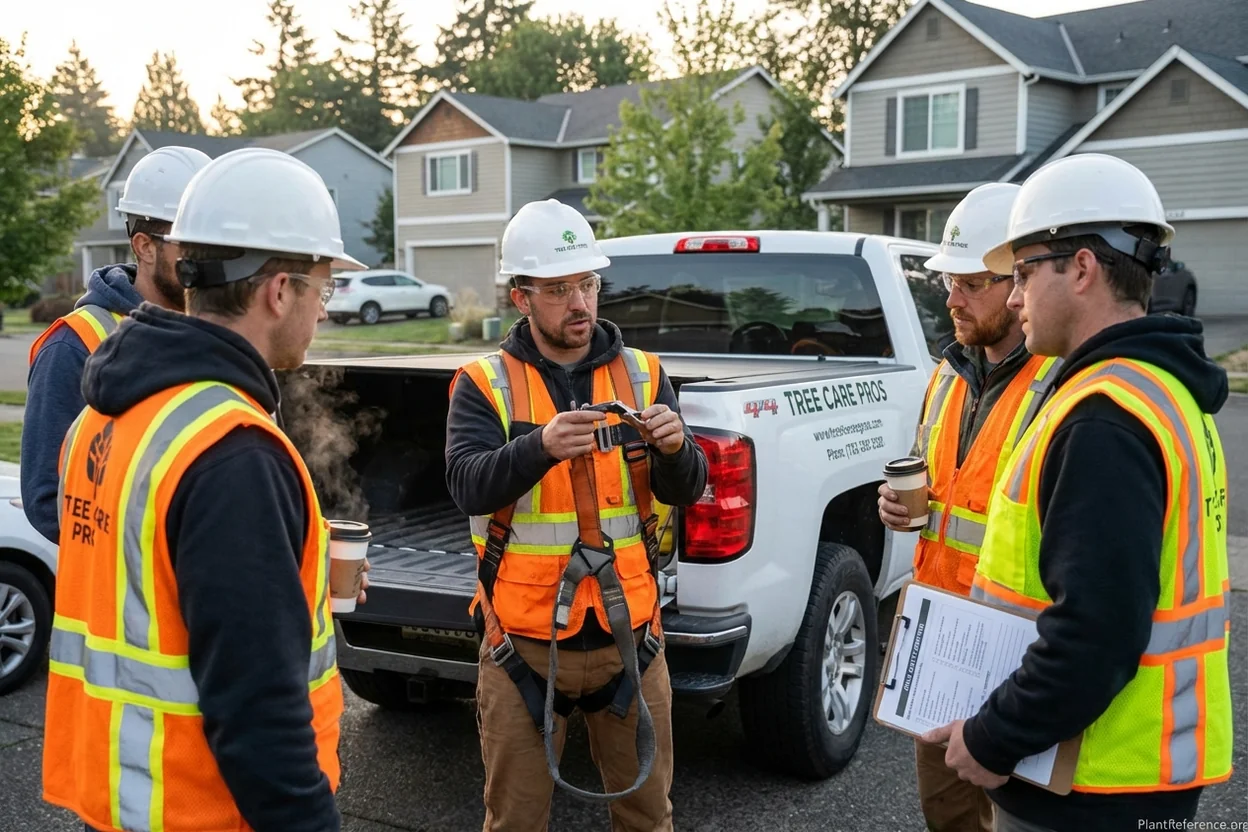
Commercial Auto and Equipment Coverage
Commercial Auto
Every vehicle in your fleet needs commercial auto insurance—personal policies exclude business use. Bucket trucks, chip trucks, and vehicles towing chippers or stump grinders run $1,500-5,000 per vehicle annually. The rate depends on vehicle type, driver records, and coverage limits. Bucket trucks carry higher premiums than pickup trucks because the boom creates unique liability exposure. Prescriptive Pruning: The PPQ Model for Structural Tree Care
Chipper trailers need separate coverage or a rider on your auto policy. A chipper-trailer combination rolling through a residential neighborhood represents a significant liability—make sure your policy covers the trailer and its contents explicitly.
Tools and Equipment (Inland Marine)
An inland marine policy covers your portable equipment against theft and accidental damage. Chainsaws, rigging gear, climbing equipment, stump grinders, and hand tools add up fast—a fully equipped three-person crew carries $30,000-80,000 in portable equipment. Coverage runs $500-2,000 annually, making it the cheapest policy relative to what it protects.
The theft exposure is real. Chainsaws and climbing gear are high-value, portable, and easy to sell. A truck break-in can cost $5,000-15,000 in equipment. Without inland marine coverage, that's out of pocket.
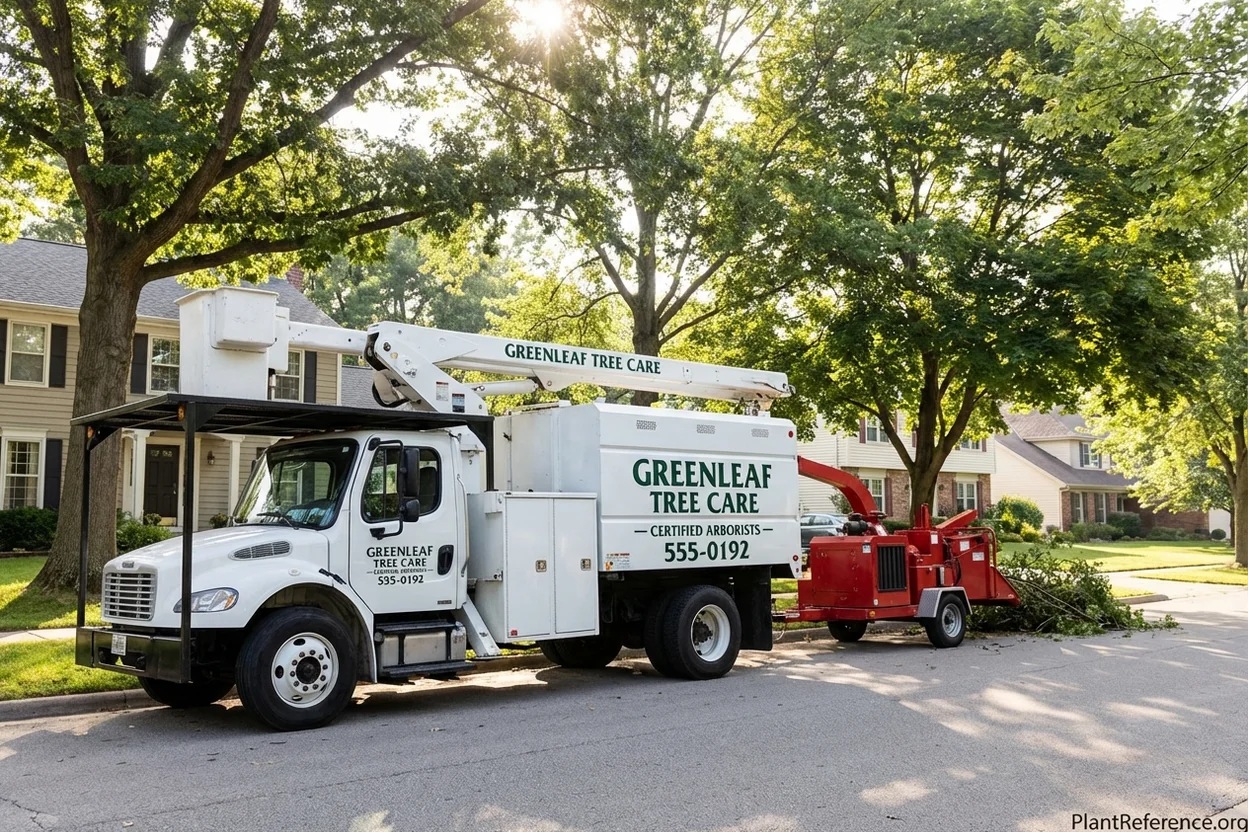
How to Reduce Your Premiums
Certifications That Lower Rates
ISA Certified Arborist and TCIA Accreditation signal to insurers that your operation follows industry standards. Some carriers offer 5-15% premium reductions for certified companies. The logic is straightforward: certified arborists have lower claim rates because they understand proper technique and risk management. Is My Tree Dangerous? 10 Warning Signs Every Homeowner Should Know
Z133 Safety Compliance
The ASC Z133-2026 safety standard revision transforms many previous recommendations into mandatory compliance requirements aligned with OSHA benchmarks. Documented compliance—written safety plans, defined drop zones, electrical clearance protocols, documented competency assessments—gives you leverage in insurance negotiations. Carriers want evidence that you manage risk systematically, not just react to incidents. Urban Forest Management Technology: AI, LiDAR, and Digital Tools for 2026
Build a Risk-Smart Culture
Weekly documented safety meetings cost nothing but time and create the paper trail insurers value. Cover near-miss reporting, equipment inspection protocols, and job-specific hazard analysis. Wearable safety technology—motion sensors that detect falls, GPS tracking for lone workers—is emerging as a premium reduction factor with forward-thinking carriers.
The payoff compounds: fewer claims reduce your EMR, which reduces premiums, which improves margins, which funds better equipment and training, which further reduces claims. The opposite spiral—cutting safety corners to save money, generating claims, facing premium increases—destroys tree care businesses every year.
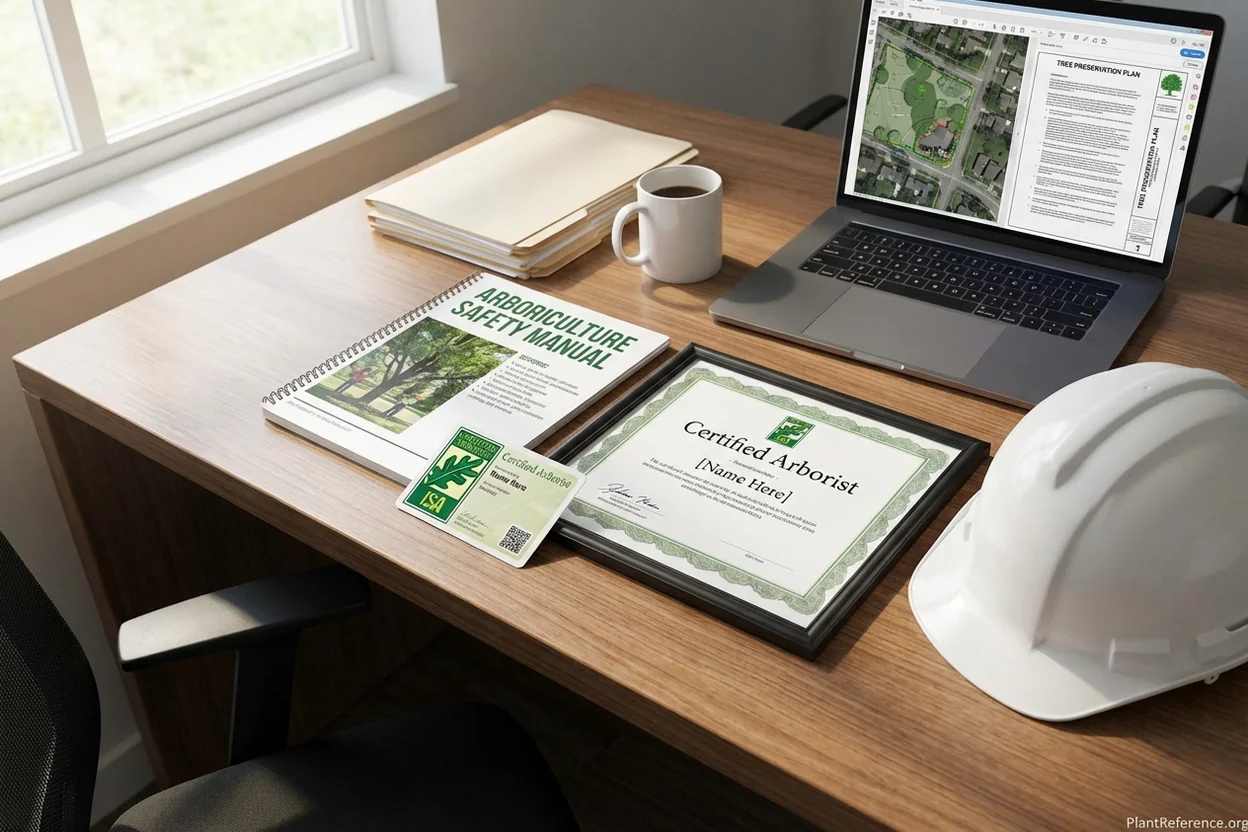
Choosing an Insurance Provider
Not all insurance carriers understand tree care. The biggest mistake operators make is buying the cheapest policy from a general commercial carrier that doesn't know the industry. When a claim hits, the adjuster who doesn't understand tree work will look for every exclusion to deny coverage.
Seek out carriers and brokers who specialize in tree care or landscaping trades. They understand the risk profile, write policies that match actual operations, and process claims faster because they know the work. TCIA member benefits include access to insurance programs negotiated specifically for accredited tree care companies. How Much Soil Do Urban Trees Actually Need? The Root Volume Guide
Get quotes from at least three carriers annually. Bundle your policies (GL, WC, auto, equipment) with a single carrier for package discounts of 10-20%. Review your coverage limits annually as your revenue and crew size change—growing into inadequate coverage is a common and dangerous oversight. Choosing Climate-Ready Trees: Species Selection for 2050 and Beyond

Frequently Asked Questions
Reading about plants and recognising them are different skills. These three build the second.
- Daily PlantIdentify the day’s mystery plant from a close-up photograph.
- Keyed OutWork a dichotomous key, lead by lead, to name a hidden specimen.
- Name That PlantName a specimen from botanical clues dealt hardest first.
Free to play, no account needed
Tagged with
Derek is an arborist and tree care specialist based in Nashville. He spent a decade working for a commercial tree service before starting his own consulting practice focused on residential tree health. His background is in forest management, and he brings that perspective to urban tree care. He's particularly interested in the intersection of native trees and suburban landscapes, helping homeowners understand what's growing in their yards and how to care for it properly. Derek also teaches tree identification walks through local parks. He's straightforward about tree care: most homeowners either ignore their trees completely or prune them incorrectly, and both cost money in the long run.