1 / 3
Coniferous Trees
x Hesperocyparis leylandii
Leyland cypress
Cupressaceae
Hybrid origin; parents native to Monterey Peninsula, California and coastal Alaska south to Oregon
At a Glance
TypeTree
HabitUpright
FoliageEvergreen
Height60–100 feet (18–30 m)
Width15–20 feet (4.6–6 m)
Maturity15 years
Growing Zones
USDA Hardiness Zones
6 - 10Zone 6
Zone 7
Zone 8
Zone 9
Zone 10
These zones indicate the coldest temperatures this plant can typically survive.
Frost Tolerancehardy
Key Features
Deer Resistant
Drought Tolerant
Native to North America
Maintenancelow
Overview
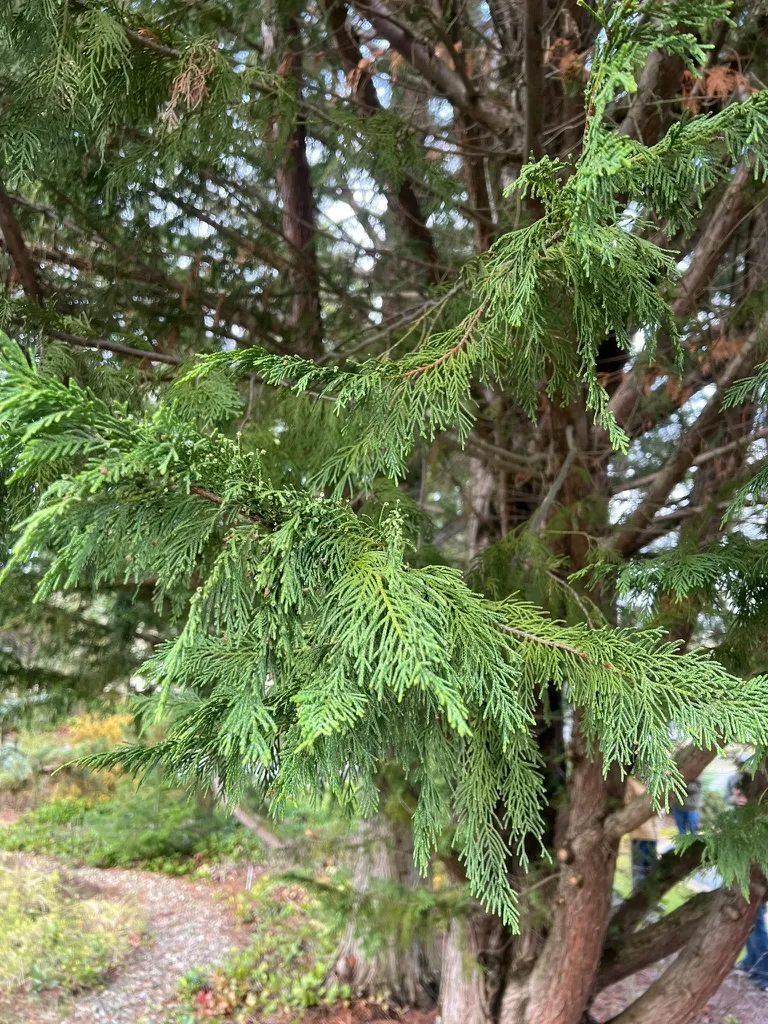
×Hesperocyparis leylandii (formerly ×Cupressocyparis leylandii) is a fast-growing, large evergreen conifer hybrid between Hesperocyparis macrocarpa (Monterey cypress) and Callitropsis nootkatensis (Alaska cedar). Trees reach 60–100 feet (18–30 m) tall and 15–20 feet (4.6–6 m) wide in mature specimens; growth rate is 24–36 inches (60–90 cm) per year or more when young. The habit is narrowly columnar to broadly pyramidal. Foliage consists of flattened sprays of small, scale-like, blue-green to gray-green leaves with a faint resinous scent when crushed. The rapid growth rate is the defining landscape characteristic; young trees can grow 3–4 feet (0.9–1.2 m) per year under good conditions. The eventual mature height of 60–100 feet (18–30 m) is frequently underestimated at planting. In the Pacific Northwest, susceptibility to Seiridium canker (Seiridium cardinale), a fungal disease causing dieback, is the most significant long-term limitation; properly sited specimens in mild, moist coastal conditions perform better than those in drier or more continental inland sites.
Native Range
×Hesperocyparis leylandii is a hybrid between Hesperocyparis macrocarpa, native to the Monterey Peninsula of California, and Callitropsis nootkatensis, native to coastal Alaska south to Oregon. The hybrid was first raised at Leighton Hall, Wales, in 1888. It is not a Pacific Northwest native.Suggested Uses
Planted as a large-scale screen, windbreak, and formal hedge in parks, institutional grounds, and large residential properties, spaced 6–8 feet (1.8–2.4 m) apart for hedge use. The very fast growth produces usable screening in 3–5 years. Long-term viability depends on Seiridium canker pressure; the species performs better in mild, moist coastal sites than drier inland locations. Mature height requires careful siting — not suitable for confined spaces or sites near structures.How to Identify
Appearance
Size & Dimensions
Height60' - 100'
Width/Spread15' - 20'
Reaches mature size in approximately 15 years
Colors
Flower Colors
brown
Foliage Colors
blue green
gray green
Fall Foliage Colors
no change
Bloom Information
Bloom Period
~3 weeksJ
F
M
A
M
J
J
A
S
O
N
D
Spring
Detailed Descriptions
Flower Description
yellow-brown (male strobili)Foliage Description
blue-green to gray-greenGrowing Conditions
Sun Requirements
Full Sun
Requires 6-12 hours of direct sunlight daily
• Full Sun: 6+ hours of direct sunlight
• Partial Shade: 3-6 hours of direct sunlight
• Full Shade: Less than 3 hours of direct sunlight
Soil Requirements
pH Range5.5 - 7.5(Neutral)
357912
Soil Types
loamclaysand
Drainage
well drained
Water & Climate
Water Needs
Low
Frost Tolerance
hardy
Time to Maturity
10–20 years
Drought Tolerance
Drought tolerant when established
Care & Maintenance
Care Guide
Water weekly during the first two growing seasons; established trees tolerate moderate drought but are more susceptible to Seiridium canker in dry conditions. Tolerates a wide range of soils; requires good drainage. Full sun is required for dense growth — trees in shade become open and sparse. Seiridium canker causes bark cankers, resin flow, and branch dieback with no effective treatment once established; select planting sites with adequate air circulation and avoid mechanical injury to bark. Mature height of 60–100 feet (18–30 m) requires substantial clearance from structures and power lines at planting.Pruning
Tolerates shearing well and is commonly maintained as a clipped hedge. Shear in late spring and again in late summer. Avoid cutting into old wood without live foliage — the plant does not regenerate readily from bare stems. The natural columnar form requires no pruning on open sites. Diseased branches should be pruned out promptly and tools disinfected between cuts.Pruning Schedule
J
F
M
A
M
J
J
A
S
O
N
D
late springsummerfall