1 / 3
Vines & Groundcovers
Vinca minor
common periwinkle
Apocynaceae
Central and southern Europe, from Portugal east to Turkey and the Caucasus
At a Glance
TypePerennial
HabitTrailing
FoliageEvergreen
Height3-6 inches (8-15 cm)
Width2-4 feet (60-120 cm)
Maturity3 years
Growing Zones
USDA Hardiness Zones
4 - 9Zone 4
Zone 5
Zone 6
Zone 7
Zone 8
Zone 9
These zones indicate the coldest temperatures this plant can typically survive.
Frost Tolerancehardy
Key Features
Attracts Pollinators
Deer Resistant
Drought Tolerant
Container Friendly
Maintenancevery low
Overview
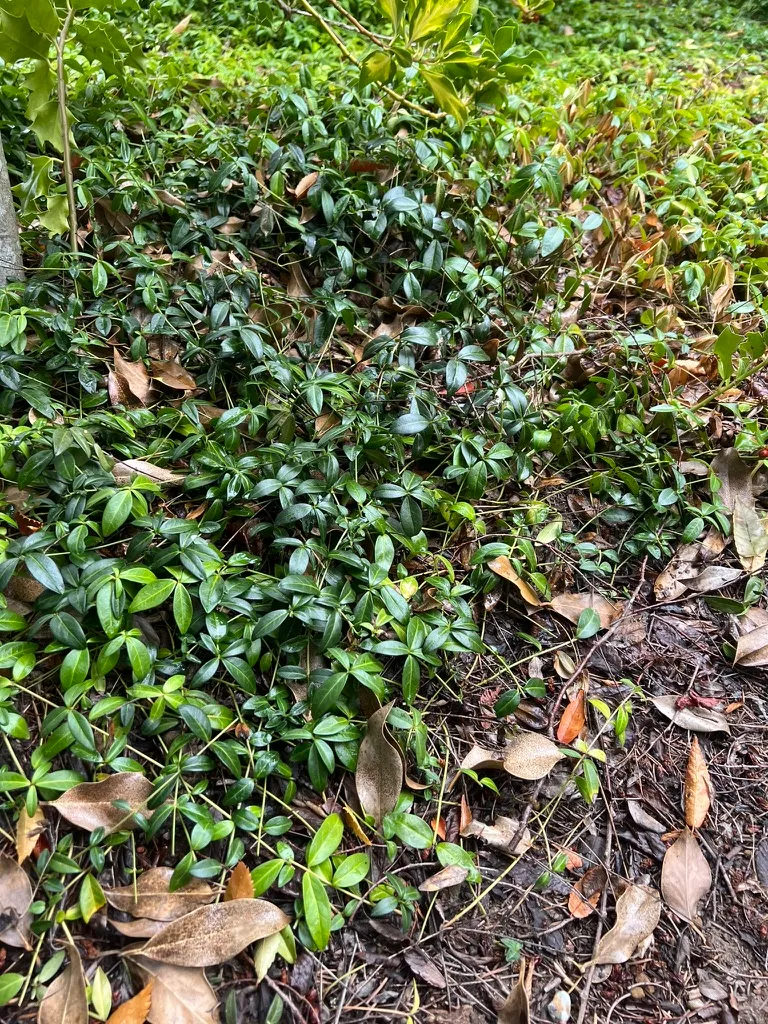
Vinca minor is a low trailing evergreen groundcover with wiry stems reaching 3–6 inches (8–15 cm) tall and spreading indefinitely by rooting at nodes wherever stems contact soil. Leaves are elliptical to lance-shaped, 0.5–1.5 inches (1–4 cm) long, glossy dark green with a smooth surface and slightly revolute margins; smaller than those of V. major. Solitary tubular-flared flowers, 0.75–1 inch (2–2.5 cm) across, appear in leaf axils from March through May with sporadic repeat bloom through summer; flower color is blue-violet in the species type, with cultivars available in white, purple, and reddish-purple. An established planting spreads 1–2 feet (30–60 cm) per season. Vinca minor is considered less aggressively invasive than V. major and is not regulated in as many jurisdictions, but can naturalize in woodland settings and disturbed areas beyond intended planting sites. All plant parts are toxic if ingested.
Native Range
Native to central and southern Europe from Portugal east to Turkey and the Caucasus. Found in shaded woodland understories, forest margins, and scrubland, primarily at low to mid elevations.Suggested Uses
Used as a groundcover under trees, on shaded slopes for erosion control, and as a lawn substitute in areas with light foot traffic and insufficient light for turf grasses. Planted in gaps between perennials in shade borders for continuous cover. Check local invasive species lists before planting near natural areas; the plant can naturalize in woodland settings.How to Identify
Appearance
Size & Dimensions
Height3" - 6"
Width/Spread2' - 4'
Reaches mature size in approximately 3 years
Colors
Flower Colors
blue
violet
white
purple
Foliage Colors
dark green
Fall Foliage Colors
no change
Bloom Information
Bloom Period
~8 weeksJ
F
M
A
M
J
J
A
S
O
N
D
Spring
Detailed Descriptions
Flower Description
blue-violet (species); cultivars range from white to purpleFoliage Description
glossy dark green, slightly lighter beneathGrowing Conditions
Sun Requirements
Partial Shade
Full Shade
Requires 2-6 hours of direct sunlight daily
• Full Sun: 6+ hours of direct sunlight
• Partial Shade: 3-6 hours of direct sunlight
• Full Shade: Less than 3 hours of direct sunlight
Soil Requirements
pH Range6.0 - 8.0(Neutral)
357912
Soil Types
loamclaysand
Drainage
average
Water & Climate
Water Needs
Low
Frost Tolerance
hardy
Time to Maturity
2-3 years
Drought Tolerance
Drought tolerant when established
Care & Maintenance
Care Guide
Space transplants 12–18 inches (30–45 cm) apart; coverage is achieved within 2–3 growing seasons. Water weekly during the first growing season; established plants tolerate moderate drought and short dry periods. Fertilize once in early spring with a balanced fertilizer at half the recommended rate to avoid excessive vegetative growth at the expense of flowering. Shear plants to 2–3 inches (5–8 cm) in late winter or early spring every 2–3 years to reduce woodiness and encourage fresh foliage. Root weevils may notch leaf margins but rarely cause significant harm. The plant competes with tree roots effectively but may struggle under heavy canopy in very dry soils.Pruning
Shear or mow plants to 2–3 inches (5–8 cm) in late winter or early spring every 2–3 years to rejuvenate the planting and prevent bare patches at the center. Cut back stems that extend beyond boundaries at any time during the growing season. Hard renovation by cutting all stems to the ground in early spring is tolerated; new growth emerges within 3–4 weeks under normal growing conditions.Pruning Schedule
J
F
M
A
M
J
J
A
S
O
N
D
early spring
Maintenance Level
very lowContainer Growing
✓ Suitable for container growing
Minimum container size: 3 gallons