1 / 2
Deciduous Shrubs
Viburnum x burkwoodii
Burkwood Viburnum
Adoxaceae
Garden hybrid; parent species from Korea and China
At a Glance
TypeShrub
HabitUpright
FoliageSemi-evergreen
Height8-10 feet (2.4-3.0 m)
Width6-8 feet (1.8-2.4 m)
Maturity6 years
Growing Zones
USDA Hardiness Zones
4 - 8Zone 4
Zone 5
Zone 6
Zone 7
Zone 8
These zones indicate the coldest temperatures this plant can typically survive.
Frost Tolerancehardy
Key Features
Attracts Pollinators
Attracts Butterflies
Fragrant (strong)
Maintenancelow
Overview
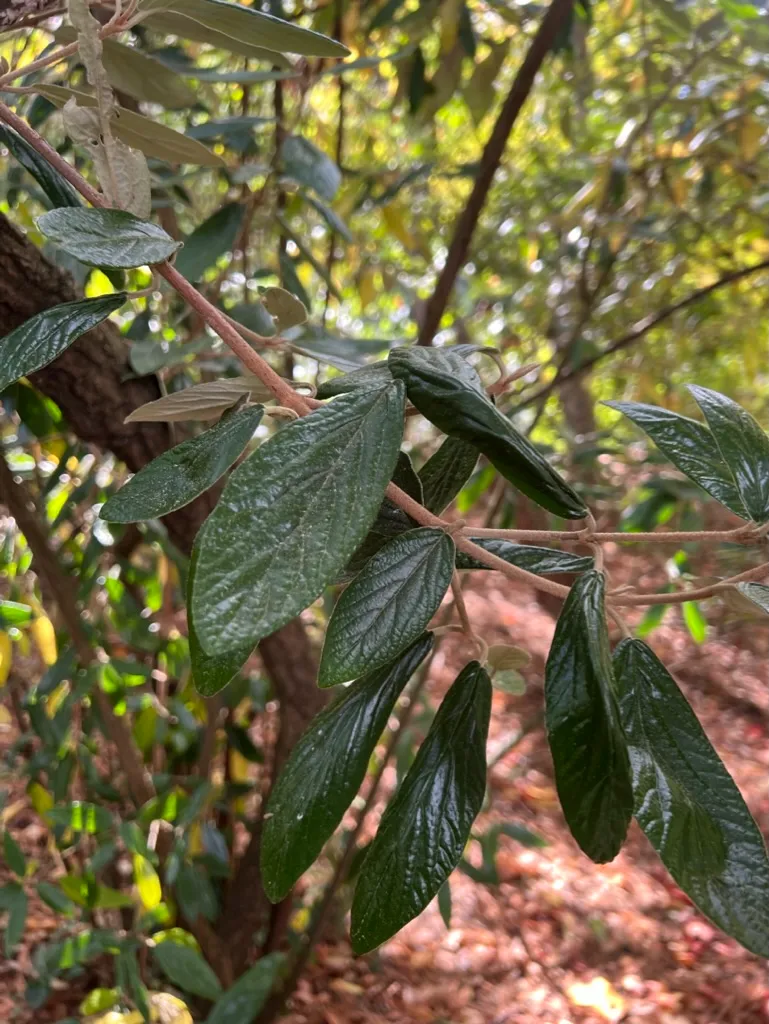
Viburnum × burkwoodii is a semi-evergreen shrub reaching 8–10 feet (2.4–3.0 m) tall and 6–8 feet (1.8–2.4 m) wide, with an upright to rounded habit. Leaves are ovate, 1.5–3.5 inches (4–9 cm) long, dark glossy green above and star-shaped hairy beneath; foliage persists through mild winters but drops in colder zones. In early to mid-spring, spherical cymes 2–4 inches (5–10 cm) across open from pink buds to white flowers with a strong spicy-sweet fragrance detectable at 10–15 feet (3–5 m). Red fruits follow in summer and ripen to black by fall; fruit set is sparse without a second plant nearby for cross-pollination. Growth rate is moderate; plants reach approximately half their mature size within 5 years. A hybrid between V. carlesii and V. utile, it inherits fragrance from V. carlesii and glossy foliage from V. utile. Powdery mildew and leaf spot can develop in humid conditions with poor air circulation.
Native Range
A garden hybrid with no native range. Parent species originate from Korea and China. First raised in England in 1924 by Burkwood and Skipwith nursery.Suggested Uses
Commonly planted as a specimen shrub, informal hedge, or screen. Used near entryways, patios, and windows where fragrance can be appreciated during bloom. Planted in mixed shrub borders where the semi-evergreen foliage provides structure from fall through spring. Cross-pollination with a second plant of a different selection improves fruit set.How to Identify
Appearance
Size & Dimensions
Height8' - 10'
Width/Spread6' - 8'
Reaches mature size in approximately 6 years
Colors
Flower Colors
white
pink
Foliage Colors
dark green
Fall Foliage Colors
no change
Bloom Information
Bloom Period
~6 weeksJ
F
M
A
M
J
J
A
S
O
N
D
Spring
Detailed Descriptions
Flower Description
white opening from pink budsFoliage Description
dark glossy green above, lighter with star-shaped hairs beneathGrowing Conditions
Sun Requirements
Full Sun
Partial Shade
Requires 4-8 hours of direct sunlight daily
• Full Sun: 6+ hours of direct sunlight
• Partial Shade: 3-6 hours of direct sunlight
• Full Shade: Less than 3 hours of direct sunlight
Soil Requirements
pH Range5.5 - 7.0(Neutral)
357912
Soil Types
loamclaysand
Drainage
well drained
Water & Climate
Water Needs
Medium
Frost Tolerance
hardy
Time to Maturity
5-7 years
Care & Maintenance
Care Guide
Water weekly during the establishment period, typically the first 1–2 growing seasons. Established plants tolerate short dry spells but flower production decreases with prolonged drought during bud development in summer and fall. Apply a balanced fertilizer in early spring before new growth emerges. Avoid planting in low spots where cold air settles, as frost damages spring flowers. Powdery mildew appears in summer in humid climates with poor air circulation; prune to improve airflow rather than applying fungicide unless severe. Aphids occasionally colonize new shoot tips in spring; natural predators usually manage populations without intervention.Pruning
Prune immediately after flowering ends in late spring to avoid removing next season's flower buds, which are set on current-season wood by late summer. Remove dead, damaged, or crossing branches at the base. Hard rejuvenation pruning to 18–24 inches (45–60 cm) can be done in late spring on overgrown specimens; expect reduced flowering for one full season.Pruning Schedule
J
F
M
A
M
J
J
A
S
O
N
D
late spring