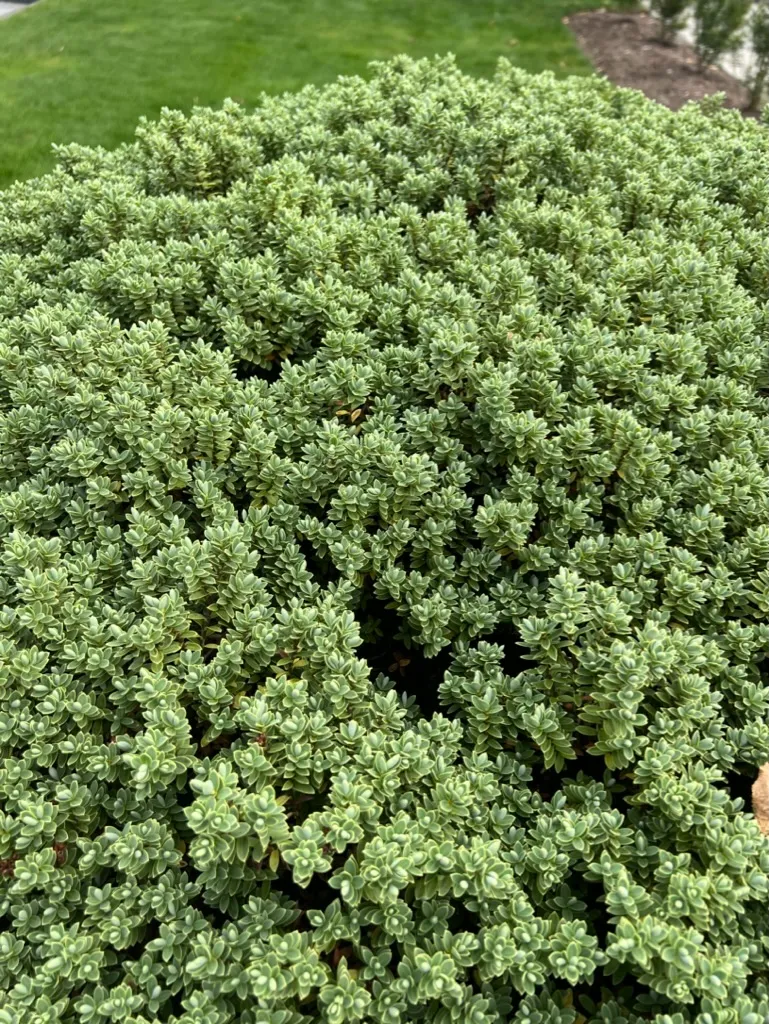
Broadleaf Evergreen Shrubs
Veronica ssp.
hebe
Plantaginaceae
Predominantly New Zealand; some species from southeastern Australia, New Guinea, South America
At a Glance
TypeShrub
HabitMounding
FoliageEvergreen
Height1-6 feet (30-180 cm)
Width2-5 feet (60-150 cm)
Maturity5 years
Growing Zones
USDA Hardiness Zones
7 - 10Zone 7
Zone 8
Zone 9
Zone 10
These zones indicate the coldest temperatures this plant can typically survive.
Frost Tolerancehardy
Key Features
Attracts Pollinators
Attracts Butterflies
Deer Resistant
Container Friendly
Maintenancelow
Overview
A diverse group of evergreen shrubs formerly classified in the genus Hebe, now placed within Veronica. Species and cultivars commonly grown in Pacific Northwest gardens range from 1-6 feet (30-180 cm) tall and 2-5 feet (60-150 cm) wide, depending on species. Leaves are opposite, varying from small and scale-like (whipcord types) to broad and glossy, 1-4 inches (2.5-10 cm) long, arranged in four ranks along the stems. Flower spikes are terminal or axillary racemes, 1-4 inches (2.5-10 cm) long, with small four-petaled flowers in shades of white, blue, purple, or pink. Bloom occurs primarily from June through September, with some species flowering intermittently into fall. Growth rate is moderate, with most cultivars reaching mature size in 3-5 years. The genus is predominantly native to New Zealand, with a few species from southeastern Australia and South America. Hardiness varies significantly by species; large-leaved species are less cold-tolerant than small-leaved or whipcord types. Root rot and stem dieback are common in waterlogged soils. Foliage may suffer burn in sustained cold below 15°F (-9°C) on less hardy species.
Native Range
Predominantly native to New Zealand, with some species from southeastern Australia, New Guinea, and temperate South America. In New Zealand, found across a range of habitats from coastal scrub to subalpine zones, from sea level to 6,000 feet (1,800 m) elevation.Suggested Uses
Commonly planted in mixed borders, coastal gardens, and foundation plantings at spacing appropriate to the mature width of the selected species. Compact cultivars function as low hedges at 18-24 inch (45-60 cm) spacing. Grows in containers of at least 5 gallons (19 L); container plants may require winter protection in zone 7.How to Identify
Appearance
Size & Dimensions
Height1' - 6'
Width/Spread2' - 5'
Reaches mature size in approximately 5 years
Colors
Flower Colors
white
blue
purple
pink
Foliage Colors
green
Fall Foliage Colors
no change
Bloom Information
Bloom Period
~10 weeksJ
F
M
A
M
J
J
A
S
O
N
D
SummerFall
Detailed Descriptions
Flower Description
White, blue, purple, or pink depending on speciesFoliage Description
Variable by species; glossy dark green to gray-green, some whipcord types golden or bronze-tonedGrowing Conditions
Sun Requirements
Full Sun
Partial Shade
Requires 4-10 hours of direct sunlight daily
• Full Sun: 6+ hours of direct sunlight
• Partial Shade: 3-6 hours of direct sunlight
• Full Shade: Less than 3 hours of direct sunlight
Soil Requirements
pH Range5.5 - 7.5(Neutral)
357912
Soil Types
loamsand
Drainage
well drained
Water & Climate
Water Needs
Medium
Frost Tolerance
hardy
Time to Maturity
3-5 years
Care & Maintenance
Care Guide
Water regularly during the first growing season. Once established, most species tolerate moderate drought but perform better with consistent moisture during dry periods. Requires well-drained soil; root rot is the primary cause of death in heavy or waterlogged soils. Apply a balanced fertilizer in spring at half rate; excessive nitrogen promotes soft, frost-susceptible growth. Site in full sun for densest habit and heaviest flowering. In zone 7, select small-leaved or whipcord species for hardiness, and site in protected locations away from cold, drying winds. Downy mildew and leaf spot may occur in humid conditions with poor air circulation.Pruning
Prune lightly after the main flush of bloom to remove spent flower racemes and shape the plant. Remove one-third of the oldest stems at the base every 2-3 years to maintain vigor and prevent legginess. Avoid cutting into bare, leafless wood below the foliage line, as regrowth from old wood is unreliable. Plants that become leggy after 5-7 years may need replacement, as hard renovation pruning carries a high failure rate.Pruning Schedule
J
F
M
A
M
J
J
A
S
O
N
D
summerfall
Maintenance Level
lowContainer Growing
✓ Suitable for container growing
Minimum container size: 5 gallons