Annuals
Solanum lycopersicum 'Patio Princess'
Patio Princess Tomato
UnknownSouth America
At a Glance
Typeannual
Habitcompact, bushy
Foliagedeciduous
Height12-18 inches
Width12-15 inches
Key Features
Attracts Pollinators
Attracts Butterflies
Deer Resistant
Fragrant (light)
Container Friendly
Maintenancelow
Overview
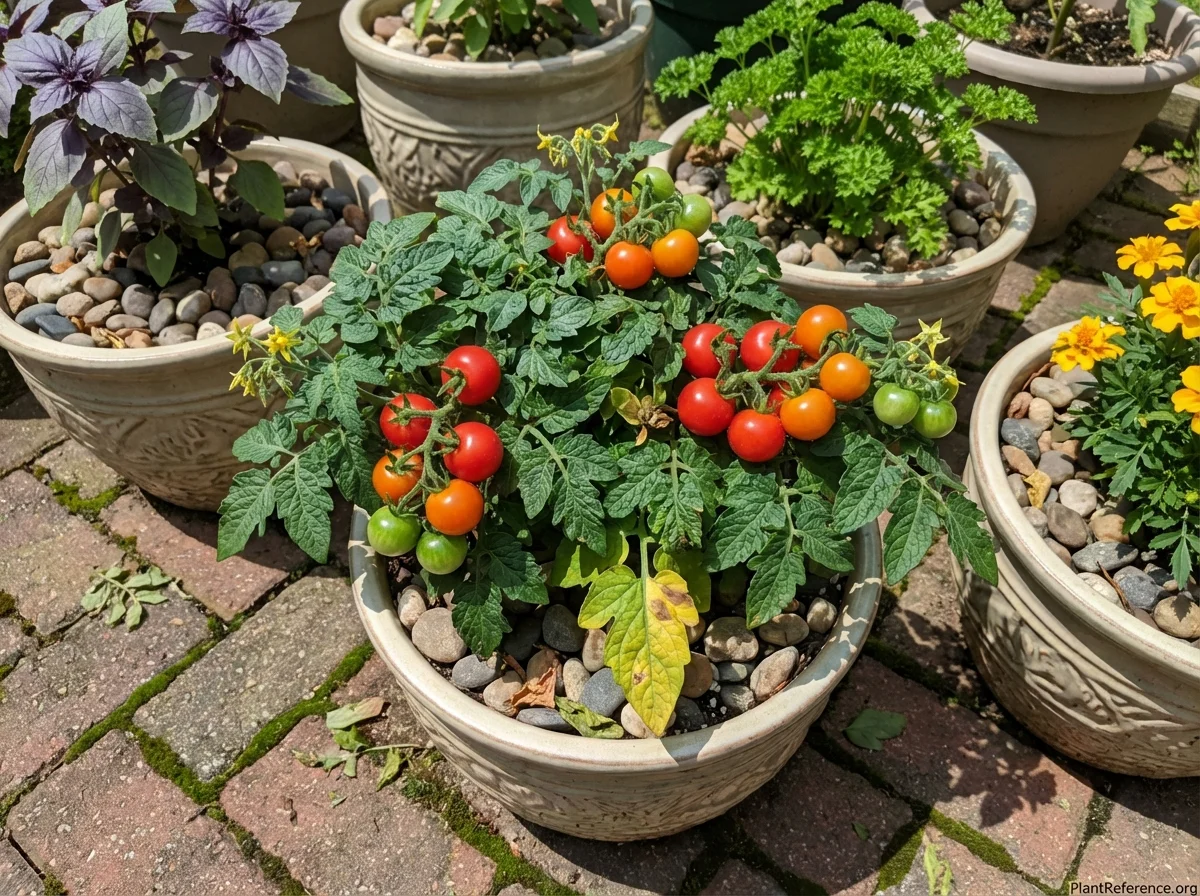
Solanum lycopersicum 'Patio Princess' is a compact, determinate cherry tomato cultivar specifically bred for container gardening and small spaces. This dwarf variety typically reaches 12-18 inches in height, making it ideal for patios, balconies, and window boxes. The plant produces abundant clusters of small, round, bright red cherry tomatoes that are sweet and flavorful, perfect for fresh eating and salads.
The foliage consists of typical tomato leaves that are compound and deeply lobed, with a distinctive tomato scent when brushed against. Solanum lycopersicum 'Patio Princess' produces small yellow flowers in clusters that develop into cherry-sized fruits approximately 0.5-0.75 inches in diameter. The compact, bushy growth habit eliminates the need for extensive staking or caging, though some support may be beneficial when heavily laden with fruit.
Native Range
Solanum lycopersicum originates from western South America, particularly the Andes mountains of Peru, Ecuador, and northern Chile. While the wild ancestor is native to this region, 'Patio Princess' is a modern cultivar developed through selective breeding for container gardening.Suggested Uses
Solanum lycopersicum 'Patio Princess' works well in containers, hanging baskets, window boxes, and small garden spaces. Ideal for urban gardening, balcony gardens, and as an edible ornamental plant. Perfect for beginners due to its compact size and reliable production. Excellent for fresh eating, salads, garnishes, and snacking directly from the plant.How to Identify
Appearance
Size & Dimensions
Height1' - 1'6"
Width/Spread1' - 1'3"
Colors
Flower Colors
yellow
Foliage Colors
green
Bloom Information
Bloom Period
J
F
M
A
M
J
J
A
S
O
N
D
SummerFall
Detailed Descriptions
Flower Description
yellowFoliage Description
medium to dark greenGrowing Conditions
Sun Requirements
Full Sun
• Full Sun: 6+ hours of direct sunlight
• Partial Shade: 3-6 hours of direct sunlight
• Full Shade: Less than 3 hours of direct sunlight
Soil Requirements
pH Range6.0 - 6.8(Neutral)
357912
Drainage
well drained
Water & Climate
Water Needs
moderate to high
Time to Maturity
65-70 days from transplant
Care & Maintenance
Care Guide
Solanum lycopersicum 'Patio Princess' requires consistent watering to prevent issues like blossom end rot and cracking. Water deeply when the top inch of soil feels dry, ensuring good drainage to prevent root rot. Feed with a balanced fertilizer every 2-3 weeks, switching to a lower nitrogen, higher phosphorus and potassium formula once flowering begins. Container plants may need daily watering in hot weather. Pinch off suckers that emerge between main stems and leaf branches to maintain the plant's compact form and direct energy to fruit production.Pruning
Prune Solanum lycopersicum 'Patio Princess' minimally due to its determinate growth habit. Remove suckers that develop in the crotch between the main stem and branches to maintain shape and improve air circulation. Remove any yellowing or diseased lower leaves throughout the growing season. Once the plant has set its fruit clusters, pinch off any new growth tips to redirect energy into fruit ripening.Maintenance Level
lowContainer Growing
✓ Suitable for container growing
⚠️ Toxicity Warning
Solanum lycopersicum 'Patio Princess' produces edible fruits that are safe for human consumption. However, like all tomato plants, the green parts including leaves, stems, and unripe green tomatoes contain solanine and other glycoalkaloids which can be toxic if consumed in large quantities. Keep pets away from the foliage and green plant parts.Planting Guide
Planting Methods & Timing
Planting Method
transplant
Indoor Start
6 weeks before last frost
Direct Sow Timing
not recommended
Days to Maturity
65–70 days
Plant Spacing
12 inches
Companion Planting
Good Companions
basil
marigolds
parsley
oregano
chives
Avoid Planting With
fennel
brassicas
walnut trees
corn
kohlrabi