1 / 3
Broadleaf Deciduous Trees
Salix babylonica 'Tortuosa'
corkscrew willow
SalicaceaeNorthern China (cultivar)
At a Glance
TypeTree
HabitUpright
FoliageDeciduous
Height25-40 feet (7.6-12 m)
Width15-25 feet (4.6-7.6 m)
Maturity12 years
Growing Zones
USDA Hardiness Zones
4 - 8Zone 4
Zone 5
Zone 6
Zone 7
Zone 8
These zones indicate the coldest temperatures this plant can typically survive.
Frost Tolerancehardy
Key Features
Attracts Pollinators
Maintenancehigh
Overview
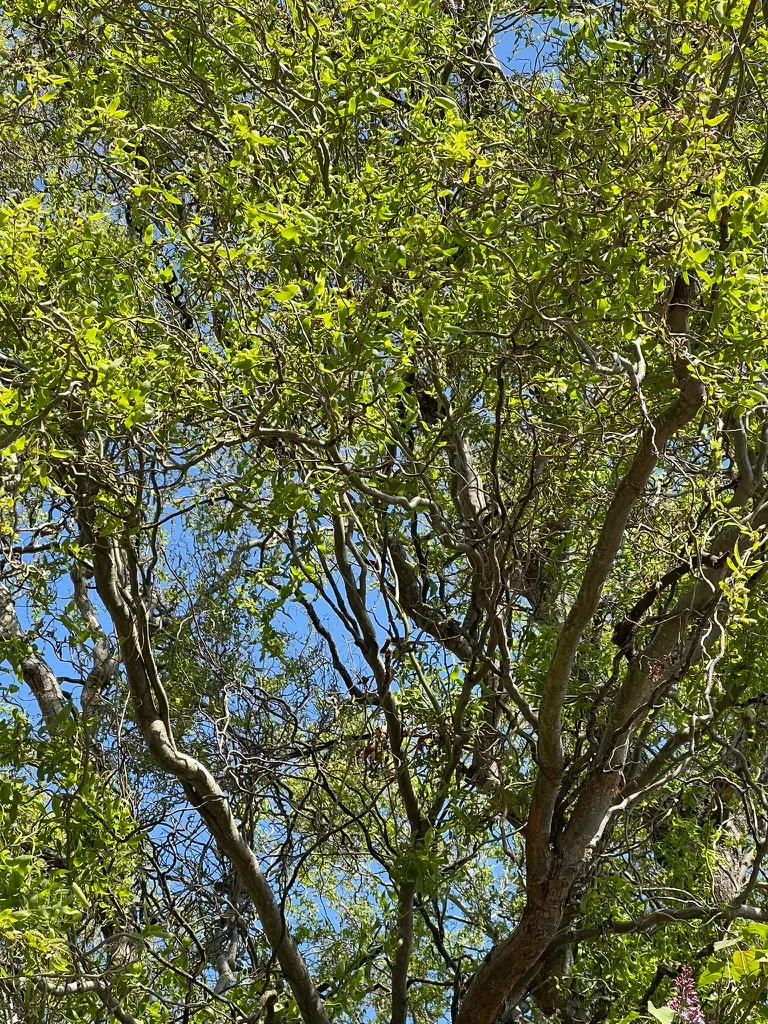
Salix babylonica 'Tortuosa' (also listed as Salix matsudana 'Tortuosa') is a medium to large deciduous tree reaching 25-40 feet (7.6-12 m) tall with a spread of 15-25 feet (4.6-7.6 m), developing a broadly pyramidal to rounded crown with dramatically twisted and contorted branches. The contorted branching is the primary ornamental feature — every branch, branchlet, and twig spirals and zigzags in corkscrewing curves, creating a sculptural silhouette that is most visible and dramatic in winter after leaf drop. Bark is gray-brown, furrowed on mature trunks. Leaves are alternate, simple, linear-lanceolate, 2-4 inches (5-10 cm) long, often somewhat twisted or curled, bright green. The growth habit is more upright and less weeping than Salix babylonica, though branch tips may be somewhat pendulous. Catkins appear in early spring. Growth rate is very fast at 24-36 inches (61-91 cm) per year. Relatively short-lived at 30-50 years. Branches are brittle and prone to storm breakage. Roots are aggressive, though somewhat less so than S. babylonica due to smaller size. Cut branches are highly valued in floral arranging. Taxonomic placement is debated: treated as a cultivar of S. babylonica, S. matsudana, or S. babylonica var. pekinensis.
Native Range
The species is native to northern China. The cultivar 'Tortuosa' was introduced to Western horticulture in the early 20th century. Taxonomic placement is debated; formerly listed as Salix matsudana 'Tortuosa', now often placed under S. babylonica.Suggested Uses
Planted as a specimen or architectural focal point where the contorted winter silhouette can be appreciated, spaced 20-30 feet (6-9 m) from structures and utilities. The contorted branches are highly valued for floral arrangements and can be harvested regularly. Effective near water features where reflections double the effect of the twisted form. NOT suitable for small lots or near underground utilities. Coppicing (cutting to 12-18 inches / 30-46 cm in late winter) produces vigorous, dramatically contorted stems for cutting, while keeping the plant compact.How to Identify
Appearance
Size & Dimensions
Height25' - 40'
Width/Spread15' - 25'
Reaches mature size in approximately 12 years
Colors
Flower Colors
yellow
Foliage Colors
green
Fall Foliage Colors
yellow
Bloom Information
Bloom Period
~2 weeksJ
F
M
A
M
J
J
A
S
O
N
D
Spring
Detailed Descriptions
Flower Description
Yellowish (catkins)Foliage Description
Bright green, often twistedGrowing Conditions
Sun Requirements
Full Sun
Requires 6-12 hours of direct sunlight daily
• Full Sun: 6+ hours of direct sunlight
• Partial Shade: 3-6 hours of direct sunlight
• Full Shade: Less than 3 hours of direct sunlight
Soil Requirements
pH Range5.5 - 8.0(Neutral)
357912
Soil Types
loamclaysilt
Drainage
moist
Water & Climate
Water Needs
High
Frost Tolerance
hardy
Time to Maturity
5-8 years
Care & Maintenance
Care Guide
Water regularly; willows require consistent moisture. Tolerates periodic flooding. Plant in full sun with at least 6 hours of direct light. Tolerates a wide range of soils. Site at least 30-40 feet (9-12 m) from sewer lines, septic systems, and foundations — roots are aggressive. Branches are brittle; site where falling debris is acceptable. Willow scab and twig blight can cause dieback of young growth, particularly in wet springs. Aphids are common. Short-lived; plan for replacement after 30-50 years.Pruning
Prune in late winter (January through February) when the contorted branch structure is most visible and shaping is easiest. Remove dead, damaged, and diseased branches. Remove any straight-growing branches that disrupt the contorted character. Thin congested interior growth to reveal the twisted branching. Harvest contorted branches for floral arrangements in winter. Storm damage cleanup may be needed regularly due to brittle wood.Pruning Schedule
J
F
M
A
M
J
J
A
S
O
N
D
winter