1 / 3
Broadleaf Evergreen Shrubs
Nematanthus
goldfish plant
Gesneriaceae
Atlantic forest regions of southeastern Brazil; epiphytes and lithophytes at low to moderate elevations
At a Glance
TypePerennial
HabitTrailing
FoliageEvergreen
Height12–24 inches (30–60 cm) trailing
Width12–24 inches (30–60 cm)
Maturity2 years
Growing Zones
USDA Hardiness Zones
10 - 12Zone 10
Zone 11
Zone 12
These zones indicate the coldest temperatures this plant can typically survive.
Frost Tolerancetender
Key Features
Deer Resistant
Container Friendly
Maintenancemoderate
Overview
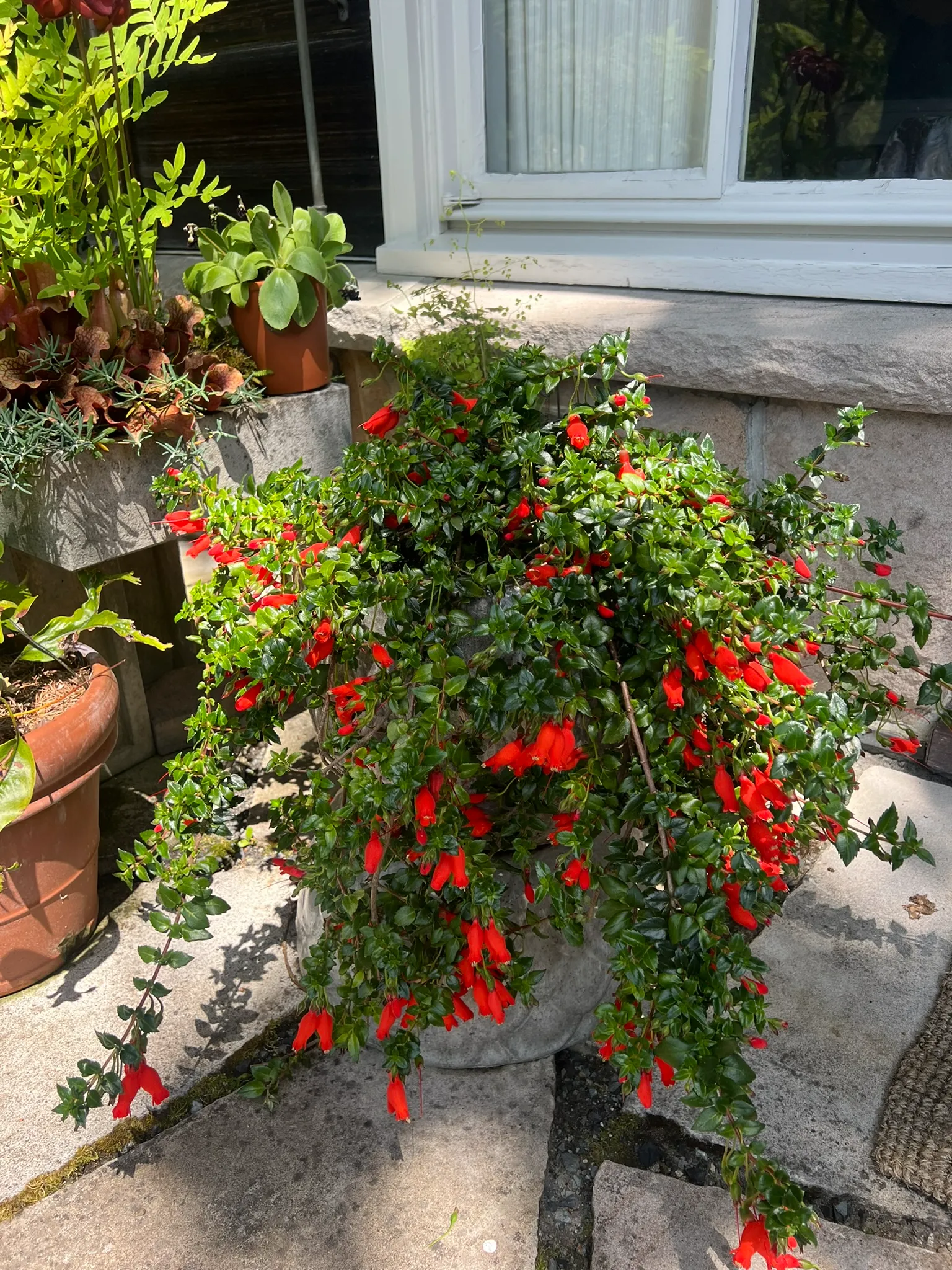
Nematanthus is a genus of approximately 30 species of trailing, epiphytic perennials in the family Gesneriaceae, native to Atlantic forest regions of Brazil. Plants grown as houseplants typically reach 12–24 inches (30–60 cm) in trailing stem length; growth rate is moderate under good indoor light. The habit is trailing to pendant, with slender, branching stems. Leaves are small, 0.5–1.5 inches (1.3–3.8 cm) long, thick, fleshy, and waxy, dark glossy green above, arranged oppositely or in whorls on the stems. The flowers are the primary ornamental feature: tubular, 0.75–1.2 inches (2–3 cm) long, pouched or swollen at the base, orange to orange-red with a narrow opening, borne singly or in pairs at leaf axils. The pouch shape and orange color are responsible for the common name goldfish plant. Bloom can occur throughout the year under good light. The most widely grown species is N. gregarius. In the Pacific Northwest, grown exclusively as a houseplant or greenhouse plant.
Native Range
Nematanthus species are native to the Atlantic forest regions of southeastern Brazil, growing as epiphytes or lithophytes on trees and rocky outcrops in humid subtropical forest at low to moderate elevations. They are not native to the Pacific Northwest and are grown as houseplants in all temperate regions.Suggested Uses
Grown as a houseplant in hanging baskets, elevated containers, and shelf displays where the trailing habit and orange tubular flowers can be viewed at eye level or from below. The pendulous stems and intermittent orange flowers provide color in indoor spaces throughout the year. Best positioned in bright indirect light in kitchens, bathrooms, or conservatories with adequate humidity.How to Identify
Appearance
Size & Dimensions
Height1' - 2'
Width/Spread1' - 2'
Reaches mature size in approximately 2 years
Colors
Flower Colors
orange
red
Foliage Colors
dark green
Fall Foliage Colors
no change
Bloom Information
Bloom Period
~20 weeksJ
F
M
A
M
J
J
A
S
O
N
D
SpringSummer
Detailed Descriptions
Flower Description
orange to orange-redFoliage Description
dark glossy green aboveGrowing Conditions
Sun Requirements
Partial Shade
Requires 2-5 hours of direct sunlight daily
• Full Sun: 6+ hours of direct sunlight
• Partial Shade: 3-6 hours of direct sunlight
• Full Shade: Less than 3 hours of direct sunlight
Soil Requirements
pH Range5.5 - 6.5(Neutral)
357912
Soil Types
peatsand
Drainage
well drained
Water & Climate
Water Needs
Medium
Frost Tolerance
tender
Time to Maturity
1–2 years
Care & Maintenance
Care Guide
Grow in bright indirect light indoors — an east- or west-facing window is suitable; avoid direct midday sun which can scorch the fleshy leaves. Use a well-drained, peat- or coir-based potting mix; roots are sensitive to waterlogging. Water when the top 0.5–1 inch (1.3–2.5 cm) of soil dries out; reduce watering in winter. Maintain temperatures above 55°F (13°C); cold drafts and temperatures below 50°F (10°C) cause leaf drop. High humidity (50–70%) supports best growth. Fertilize monthly during the growing season with a dilute balanced fertilizer.Pruning
Pinch stem tips regularly to encourage bushy, branching growth. After flowering, cut back stems by one-third to one-half to renew vigor and promote the next flush of growth. Remove dead or damaged stems at any time.Pruning Schedule
J
F
M
A
M
J
J
A
S
O
N
D
early springlate springsummerfall
Maintenance Level
moderateContainer Growing
✓ Suitable for container growing
Minimum container size: 1 gallons