1 / 8
Broadleaf Deciduous Trees
Malus spp.
crabapple
Rosaceae
Temperate Northern Hemisphere — Europe, Asia, North America; most ornamental cultivars are complex hybrids involving Asian species including M. baccata, M. sargentii, and M. floribunda
At a Glance
TypeTree
HabitSpreading
FoliageDeciduous
Height8–25 feet (2.4–7.5 m)
Width8–25 feet (2.4–7.5 m)
Maturity12 years
Growing Zones
USDA Hardiness Zones
4 - 8Zone 4
Zone 5
Zone 6
Zone 7
Zone 8
These zones indicate the coldest temperatures this plant can typically survive.
Frost Tolerancehardy
Key Features
Attracts Pollinators
Attracts Butterflies
Drought Tolerant
Fragrant (moderate)
Maintenancemoderate
Overview
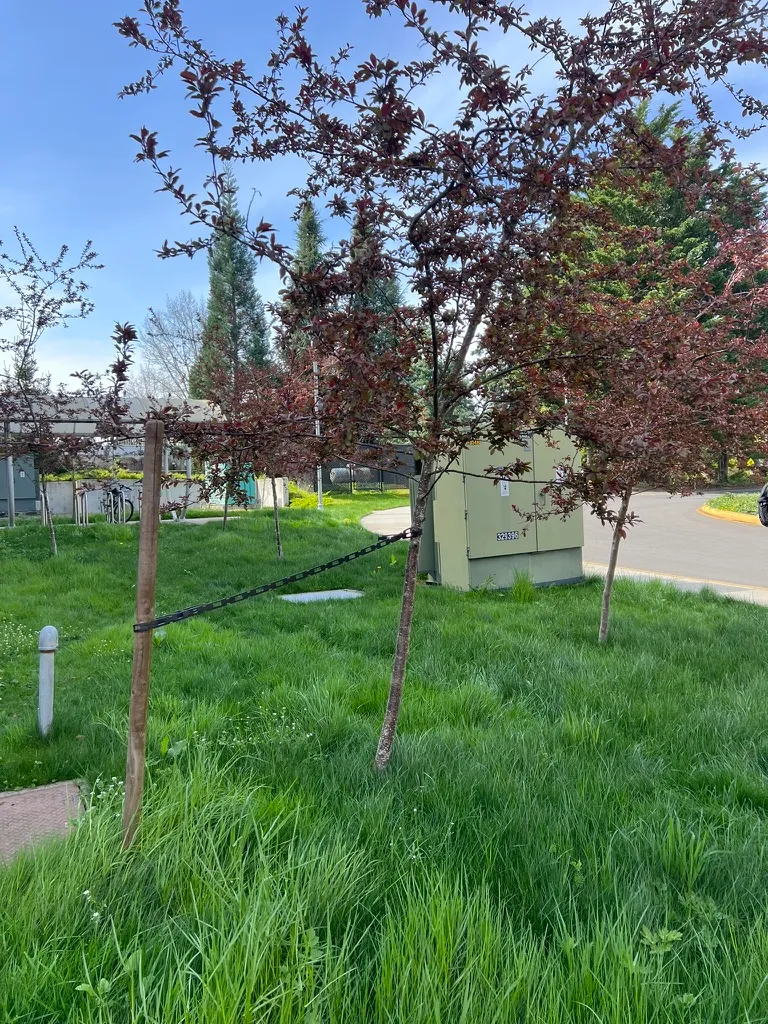
A genus of approximately 35 species of deciduous trees grown in Pacific Northwest gardens for spectacular spring flowering, ornamental small fruits, and multi-season interest. Ornamental crabapples range from 8–25 feet (2.4–7.5 m) tall with habits from weeping to columnar to broadly rounded. Spring flowers in white, pink, rose, or deep red-purple, 1–2 inches (2.5–5 cm) across, in April–May; many are fragrant. Small fruits 0.5–1 inch (12–25 mm) diameter in red, orange, gold, or yellow, ripening in fall and often persisting through winter to provide bird food. Apple scab (Venturia inaequalis) is the primary disease concern in the wet Pacific Northwest — disease-resistant cultivar selection is critical. Seeds mildly toxic to pets. Hardy in USDA zones 4–8.
Native Range
The genus Malus is distributed across the temperate Northern Hemisphere. Most ornamental cultivars are complex hybrids involving Asian species, particularly M. baccata (Siberian crabapple), M. sargentii (Sargent crabapple), M. floribunda (Japanese crabapple), and others.Suggested Uses
Planted as specimen trees, street trees, or wildlife-supporting trees at spacing matched to cultivar mature size. No other commonly grown small deciduous tree combines spring flower display, ornamental fall fruit, bird-supporting value, and variety of form in a single plant. Select disease-resistant cultivars for the Pacific Northwest. Seeds mildly toxic to pets if consumed in large quantity.How to Identify
Appearance
Size & Dimensions
Height8' - 25'
Width/Spread8' - 25'
Reaches mature size in approximately 12 years
Colors
Flower Colors
white
pink
red
purple
Foliage Colors
green
red
purple
Fall Foliage Colors
yellow
orange
red
Bloom Information
Bloom Period
~2 weeksJ
F
M
A
M
J
J
A
S
O
N
D
Spring
Detailed Descriptions
Flower Description
Five-petaled, 1–2 inches (2.5–5 cm) across; white, pale pink, rose-pink, or deep red-purple depending on cultivar; many are fragrantFoliage Description
Alternate, simple, serrated margins; medium to dark green through the growing season; some cultivars have purple-red foliage; yellow to red fall color depending on cultivarGrowing Conditions
Sun Requirements
Full Sun
Requires 6-12 hours of direct sunlight daily
• Full Sun: 6+ hours of direct sunlight
• Partial Shade: 3-6 hours of direct sunlight
• Full Shade: Less than 3 hours of direct sunlight
Soil Requirements
pH Range5.5 - 6.5(Neutral)
357912
Soil Types
loamclaysand
Drainage
well drained
Water & Climate
Water Needs
Medium
Frost Tolerance
hardy
Time to Maturity
10–15 years
Drought Tolerance
Drought tolerant when established
Care & Maintenance
Care Guide
Plant in full sun in well-drained, slightly acidic soil (pH 5.5–6.5). Full sun essential for disease resistance and best flowering. Space according to mature size of the selected cultivar (8–25 feet/2.4–7.5 m). Water regularly during establishment; moderately drought tolerant once established. Select disease-resistant cultivars — susceptibility to apple scab (Venturia inaequalis) is the primary limitation in the wet Pacific Northwest climate. Resistant cultivars include Malus 'Prairifire', Malus 'Sugar Tyme', Malus 'Camelot', and Malus 'Robinson'.Pruning
Prune in late winter (February–March) before growth begins. Remove dead, crossing, and water-sprout branches. Maintain open canopy for air circulation to reduce disease pressure. Avoid heavy pruning — crabapples respond with vigorous water sprout growth that increases fire blight risk.Pruning Schedule
J
F
M
A
M
J
J
A
S
O
N
D
early spring