1 / 4
Broadleaf Evergreen Shrubs
Leucothoë axillaris
drooping leucothoe
Ericaceae
Southeastern United States from Virginia to Florida, west to Mississippi and Louisiana
At a Glance
TypeShrub
HabitSpreading
FoliageEvergreen
Height2-4 feet (0.6-1.2 m)
Width3-6 feet (0.9-1.8 m)
Maturity5 years
Growing Zones
USDA Hardiness Zones
5 - 9Zone 5
Zone 6
Zone 7
Zone 8
Zone 9
These zones indicate the coldest temperatures this plant can typically survive.
Frost Tolerancehardy
Key Features
Attracts Pollinators
Deer Resistant
Container Friendly
Native to North America
Maintenancelow
Overview
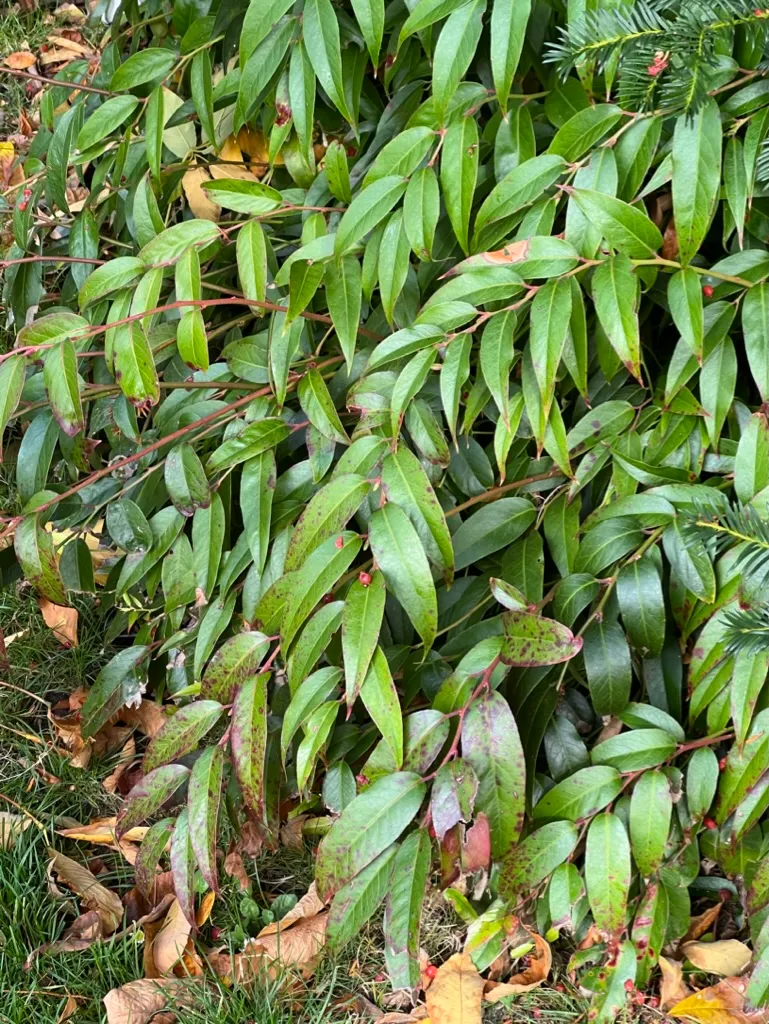
A broadleaf evergreen shrub reaching 2-4 feet (0.6-1.2 m) tall and 3-6 feet (0.9-1.8 m) wide, with a spreading, mounding habit and gracefully arching stems. Growth rate is moderate, adding 6-10 inches (15-25 cm) per year. Leaves are alternate, lance-shaped to elliptical, 2-5 inches (5-13 cm) long and 0.75-1.5 inches (2-4 cm) wide, leathery, and glossy dark green with finely serrated margins. New growth emerges bronze to reddish-bronze in spring, transitioning to dark green by summer. In winter, foliage may develop purple to bronze tones, particularly in sunnier exposures. Stems are arching, green to reddish-brown, creating a fountain-like silhouette. Flowers appear in April to May in axillary racemes 1-3 inches (2.5-8 cm) long along the stems, consisting of small, white, urn-shaped (urceolate) blooms each approximately 0.25 inches (6 mm) long, resembling those of related Ericaceae members such as Pieris. Fruit is a small, dry capsule approximately 0.2 inches (5 mm) across, not ornamentally significant. Spreads slowly by underground suckers, forming colonies over time. Requires acidic soil with pH 4.5-6.0; chlorosis develops in alkaline conditions. Leaf spot (Cercospora) may cause brown lesions on foliage in humid conditions with poor air circulation.
Native Range
Native to the southeastern United States, from Virginia south to Florida and west to Mississippi and Louisiana. Found naturally along stream banks, in moist bottomland forests, swamp margins, and boggy areas, typically in acidic, humus-rich soils under partial to full shade at elevations from near sea level to approximately 1,500 feet (450 m).Suggested Uses
Commonly planted as a groundcover or understory shrub in woodland gardens, shade borders, and foundation plantings on the north or east side of buildings at 3-4 foot (0.9-1.2 m) spacing. Naturalizes along stream banks and in moist, shaded areas. The arching habit and spreading form make it suitable for erosion control on shaded slopes. Suitable for containers of at least 5 gallons (19 L) with acidic potting mix.How to Identify
Appearance
Size & Dimensions
Height2' - 4'
Width/Spread3' - 6'
Reaches mature size in approximately 5 years
Colors
Flower Colors
white
Foliage Colors
dark green
bronze
purple
Bloom Information
Bloom Period
~3 weeksJ
F
M
A
M
J
J
A
S
O
N
D
Spring
Detailed Descriptions
Flower Description
WhiteFoliage Description
Glossy dark green; bronze to reddish-bronze new growth; purple-bronze winter tonesGrowing Conditions
Sun Requirements
Partial Shade
Full Shade
Requires 2-5 hours of direct sunlight daily
• Full Sun: 6+ hours of direct sunlight
• Partial Shade: 3-6 hours of direct sunlight
• Full Shade: Less than 3 hours of direct sunlight
Soil Requirements
pH Range4.5 - 6.0(Acidic)
357912
Soil Types
loampeat
Drainage
moist
Water & Climate
Water Needs
Medium
Frost Tolerance
hardy
Time to Maturity
3-5 years
Care & Maintenance
Care Guide
Plant in acidic soil with pH 4.5-6.0; amend with peat moss or sulfur in neutral to alkaline soils. Requires consistent moisture, particularly during the first two growing seasons; established plants tolerate brief dry periods but leaf margins scorch during prolonged drought exceeding 2 weeks. Mulch with 2-3 inches (5-8 cm) of acidic organic material such as pine needles or composted bark. Performs best in partial to full shade; full sun causes leaf scorch and faded foliage color, particularly in warmer zones. Cercospora leaf spot can develop in humid, poorly ventilated sites; remove affected leaves and improve air circulation. Lace bugs occasionally cause stippled foliage in dry, sunny conditions.Pruning
Prune after flowering in late spring by removing the oldest, tallest stems at ground level to maintain a compact, rejuvenated form. Remove approximately one-third of the oldest stems annually to promote fresh basal growth. Plants that have become leggy or overgrown can be cut back hard to 4-6 inches (10-15 cm) in late winter; regrowth from the base emerges within the same growing season. Remove any winter-damaged foliage in early spring before new growth begins.Pruning Schedule
J
F
M
A
M
J
J
A
S
O
N
D
late spring
Maintenance Level
lowContainer Growing
✓ Suitable for container growing
Minimum container size: 5 gallons