1 / 2
Herbaceous
Lactuca laciniatus
wall lettuce
AsteraceaeEurope, western Asia
At a Glance
TypeAnnual
HabitUpright
FoliageDeciduous
Height12-36 inches (30-90 cm)
Width6-12 inches (15-30 cm)
Overview
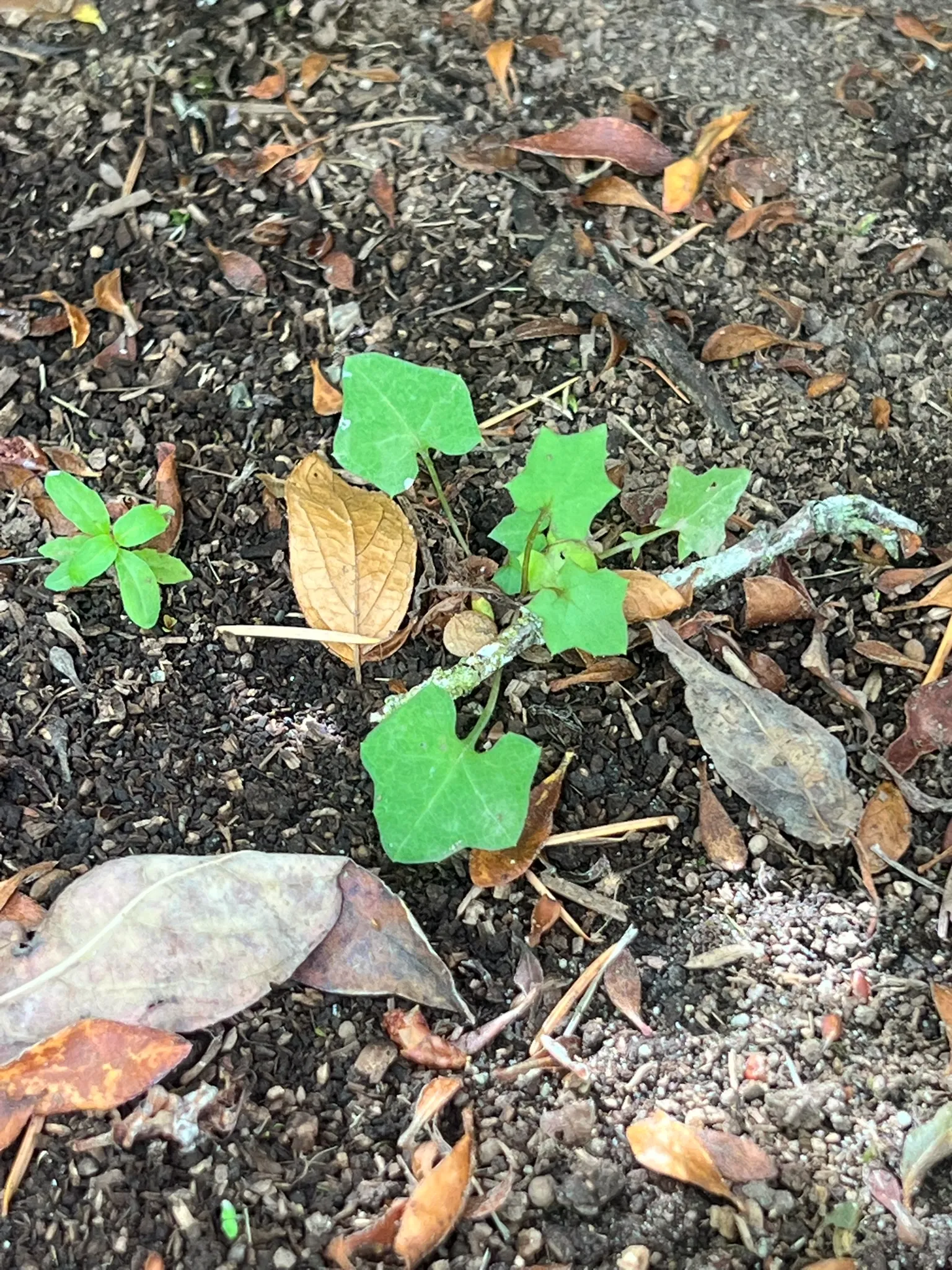
Mycelis muralis (syn. Lactuca muralis) is a slender, glabrous annual or short-lived perennial in the daisy family (Asteraceae) reaching 12–36 inches (30–90 cm) tall with a 6–12 inch (15–30 cm) spread. Stems are erect, slender, wiry, freely branching in the upper half, smooth, and exuding milky latex when broken. Basal and lower stem leaves are lyrate-pinnatifid, 2–6 inches (5–15 cm) long, with a large, triangular terminal lobe and 2–4 pairs of smaller, angular lateral lobes; thin-textured, dark green, often with a purplish tinge. Upper stem leaves are smaller, often unlobed, clasping. Flower heads are small, 0.3–0.4 inch (7–10 mm) across, with exactly 5 yellow ligulate florets — a distinctive and diagnostic count. Heads are borne in loose, open panicles. Fruit is a dark achene with a white pappus for wind dispersal. A single plant produces 500–3,000 seeds. Colonizes shaded walls, rocky outcrops, woodland edges, and shaded urban sites. Less competitive than other Asteraceae weeds in open, sunny habitats.
Native Range
Native to Europe and western Asia, occurring on shaded walls, rocky banks, woodland edges, and disturbed shaded ground from sea level to approximately 6,000 feet (1,800 m). Naturalized in the Pacific Northwest, northeastern United States, and British Columbia, primarily in shaded urban and peri-urban settings.Suggested Uses
Used in Asteraceae identification courses for teaching the diagnostic 5-floret head count. Included in shade-tolerant weed identification. The lyrate leaf shape is used in leaf morphology exercises. Studied in urban ecology as a colonizer of walls and shaded hardscape.How to Identify
Appearance
Size & Dimensions
Height1' - 3'
Width/Spread6" - 1'
Colors
Flower Colors
yellow
Foliage Colors
green
purple
Fall Foliage Colors
no change
Bloom Information
Bloom Period
~6 weeksJ
F
M
A
M
J
J
A
S
O
N
D
Summer
Detailed Descriptions
Flower Description
YellowFoliage Description
Dark green to purplish, lyrate-pinnatifid with a large triangular terminal lobe and smaller lateral lobes; thin, glabrousGrowing Conditions
Sun Requirements
Partial Shade
Full Shade
Requires 2-6 hours of direct sunlight daily
• Full Sun: 6+ hours of direct sunlight
• Partial Shade: 3-6 hours of direct sunlight
• Full Shade: Less than 3 hours of direct sunlight
Soil Requirements
pH Range5.5 - 8.0(Neutral)
357912
Soil Types
loamsiltrocky
Drainage
well drained
Water & Climate
Water Needs
Medium
Frost Tolerance
hardy