1 / 5
Perennials
Hosta Hybrids
hosta
Asparagaceae
Hybrid of garden origin; parent species from Japan, China, Korea
At a Glance
TypePerennial
HabitMounding
FoliageDeciduous
Height6-36 inches (15-90 cm)
Width6-48 inches (15-120 cm)
Maturity5 years
Growing Zones
USDA Hardiness Zones
3 - 9Zone 3
Zone 4
Zone 5
Zone 6
Zone 7
Zone 8
Zone 9
These zones indicate the coldest temperatures this plant can typically survive.
Frost Tolerancehardy
Key Features
Attracts Hummingbirds
Fragrant (light)
Container Friendly
Maintenancelow
Overview
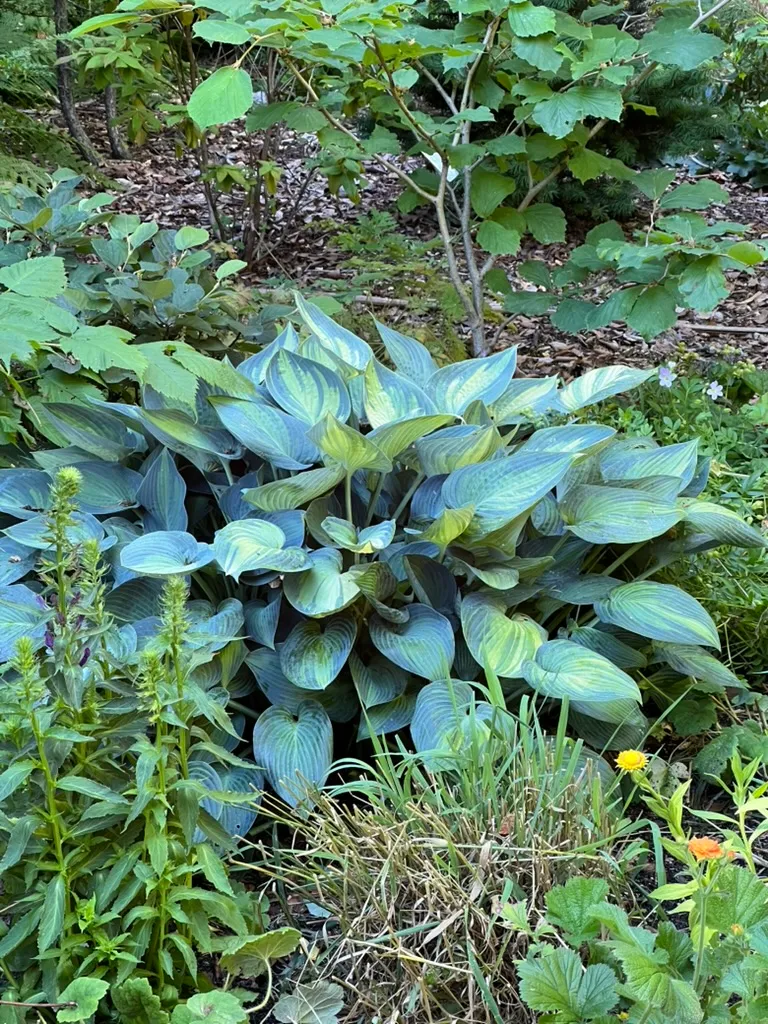
A large group of clump-forming perennials in the family Asparagaceae, derived from interspecific crosses and selections involving Hosta sieboldiana, H. plantaginea, H. fortunei, H. tokudama, and numerous other species native to Japan, China, and Korea. Hostas are grown primarily for their bold, attractive foliage rather than their flowers. Leaves vary enormously by cultivar from 2 inches (5 cm) to 18 inches (45 cm) or more across, in shapes from narrowly lance-like to broadly heart-shaped or round. Leaf colors range from deep blue-green and glaucous blue through mid-green, chartreuse, and golden-yellow, with countless variegated patterns including yellow-margined, white-margined, streaked, and centrally variegated forms. Leaf textures include smooth, heavily corrugated (seersuckered), puckered, and glossy. In summer, upright scapes rise above the foliage bearing tubular, bell-shaped flowers 1–2 inches (2.5–5 cm) long in white, pale lavender, or purple; H. plantaginea hybrids are notably fragrant. Size at maturity ranges from miniatures under 6 inches (15 cm) to giants exceeding 4 feet (120 cm) in spread. Slugs and snails are significant pests; deer browse heavily. All parts mildly to moderately toxic to dogs and cats.
Native Range
Hosta hybrids are of garden origin. The parent species are native to East Asia — primarily Japan, China, and Korea — growing in woodland understories, shaded stream banks, and mountain meadows. The genus Hosta (approximately 45–70 species) is exclusively East Asian in native distribution.Suggested Uses
Planted as ground cover, specimen plants, and border plants in partial to full shade at 18–48 inch (45–120 cm) spacing depending on mature size. Mass plantings of a single cultivar create bold textural effects. Contrasting leaf colors (blue-green with gold, or variegated with solid green) create visual interest in shade gardens. Effective in combination with ferns, astilbes, and other shade perennials.How to Identify
Appearance
Size & Dimensions
Height6" - 3'
Width/Spread6" - 4'
Reaches mature size in approximately 5 years
Colors
Flower Colors
white
lavender
purple
Foliage Colors
blue
green
gold
yellow
white
Fall Foliage Colors
yellow
gold
Bloom Information
Bloom Period
~3 weeksJ
F
M
A
M
J
J
A
S
O
N
D
Summer
Detailed Descriptions
Flower Description
white, pale lavender, purpleFoliage Description
blue-green, green, gold, chartreuse, or variegated with white, cream, or yellow marginsGrowing Conditions
Sun Requirements
Partial Shade
Full Shade
Requires 2-4 hours of direct sunlight daily
• Full Sun: 6+ hours of direct sunlight
• Partial Shade: 3-6 hours of direct sunlight
• Full Shade: Less than 3 hours of direct sunlight
Soil Requirements
pH Range6.0 - 7.5(Neutral)
357912
Soil Types
loamclay
Drainage
moist
Water & Climate
Water Needs
Medium
Frost Tolerance
hardy
Time to Maturity
3-5 years
Care & Maintenance
Care Guide
Plant in partial to full shade in moist, humus-rich, well-drained soil with a pH of 6.0–7.5. Morning sun with afternoon shade is ideal for most cultivars; blue-leaved types require more shade to maintain glaucous color. Water consistently — hostas decline in extended drought, especially in hot climates. Mulch with 2–3 inches (5–8 cm) of organic matter to retain moisture and suppress weeds. Protect from slugs and snails using barriers or baits from early spring onward — slug damage is the most common cause of tattered foliage. Deer browse is a significant problem; use repellents or physical barriers where deer are present. Divide every 5–7 years in early spring to manage clump size or propagate.Pruning
Remove individual flower scapes at ground level after blooms fade — leave or remove based on preference; seed set weakens plants over time. Cut all foliage to the ground after frost kills the leaves in fall. In early spring, remove any remaining dead foliage before new shoots emerge. Divide in early spring by lifting the crown and dividing with a sharp knife or spade; replant immediately at the same depth.Pruning Schedule
J
F
M
A
M
J
J
A
S
O
N
D
fallearly spring
Maintenance Level
lowContainer Growing
✓ Suitable for container growing
Minimum container size: 5 gallons