1 / 7
Perennials
Hemerocallis Hybrids
daylily
Asphodelaceae
Hybrid of garden origin; parent species from China, Japan, Korea, Siberia
At a Glance
TypePerennial
HabitClumping
FoliageDeciduous
Height12-48 inches (30-120 cm)
Width18-24 inches (45-60 cm)
Growing Zones
USDA Hardiness Zones
3 - 9Zone 3
Zone 4
Zone 5
Zone 6
Zone 7
Zone 8
Zone 9
These zones indicate the coldest temperatures this plant can typically survive.
Frost Tolerancehardy
Key Features
Attracts Pollinators
Attracts Butterflies
Drought Tolerant
Fragrant (light)
Container Friendly
Maintenancelow
Overview
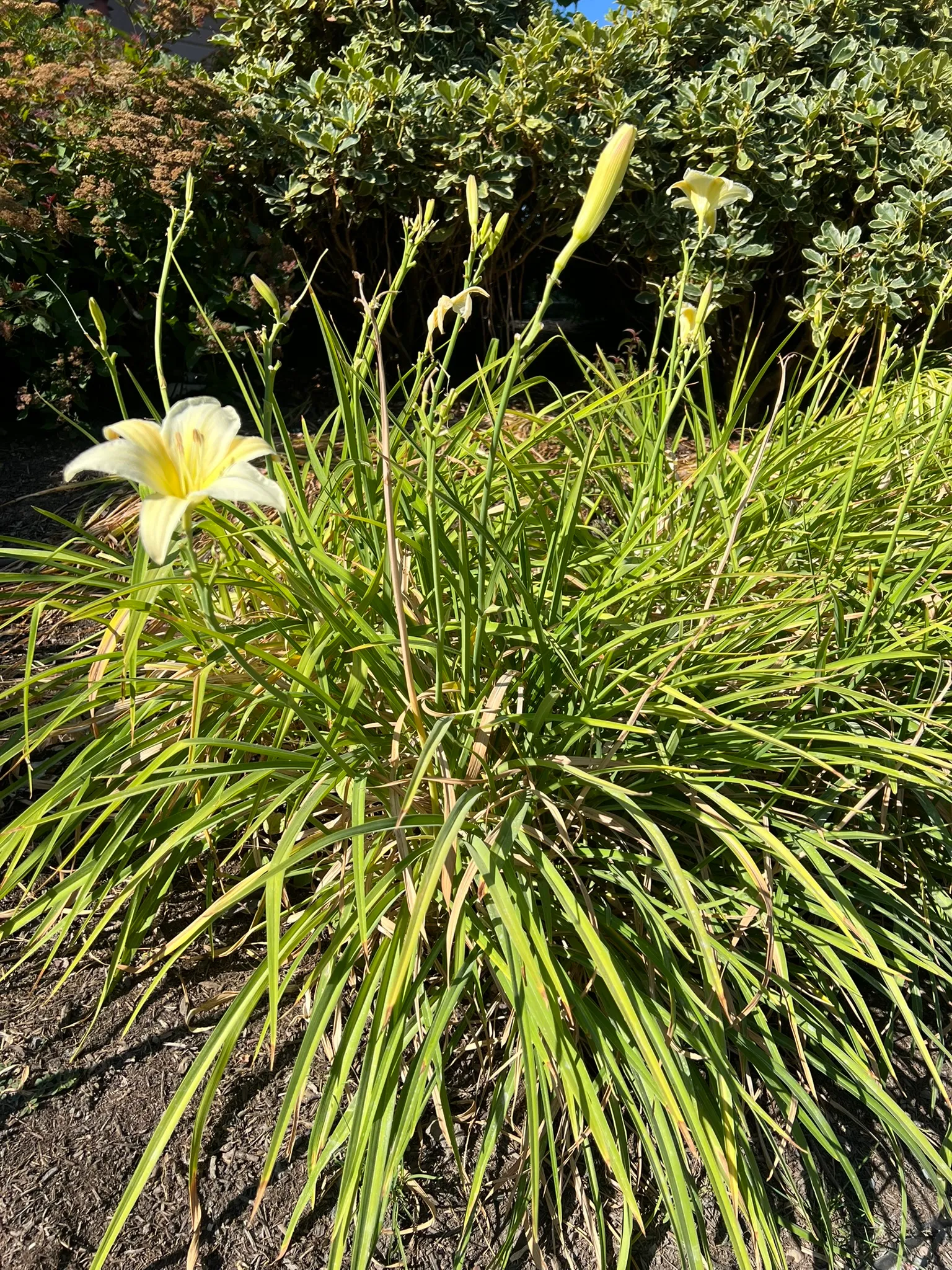
A diverse group of clump-forming perennials in the family Asphodelaceae, derived from interspecific crosses involving Hemerocallis fulva, H. lilioasphodelus, H. citrina, and numerous other Asian species. Hybrid daylilies form mounds of arching, strap-like leaves 12–30 inches (30–75 cm) long, semi-evergreen to deciduous depending on cultivar. Branched scapes rise 12–48 inches (30–120 cm) above the foliage, each bearing 12–25 or more buds. Individual flowers 2–7 inches (5–18 cm) across open for a single day; the succession of buds ensures a display of 2–5 weeks per scape. Flower forms range from simple six-tepaled stars to spiders, doubles, ruffled, triangular, and recurved types; colors span the entire spectrum except true blue and pure white, including bicolors, halos, and patterned throats. Many cultivars are repeat-blooming (reblooming), producing additional scapes through summer and into fall. Some cultivars, particularly yellow-flowered types, are mildly fragrant. Established plants are drought-tolerant and long-lived. Caution: all Hemerocallis species and hybrids are highly toxic to cats, causing acute kidney failure.
Native Range
Hybrid daylilies are of garden origin. The parent species are native to China, Japan, Korea, and Siberia, growing in diverse habitats from woodland edges and moist meadows to dry hillsides. Hemerocallis fulva (tawny daylily) has naturalized widely in North America along roadsides and disturbed ground and is considered invasive in some regions.Suggested Uses
Planted as specimen plants, mass plantings, or border plants at 18–24 inch (45–60 cm) spacing. Tolerates a wide range of soils and conditions. Effective as a low-maintenance ground cover on slopes. The diversity of forms and colors allows mixing early, mid, and late cultivars for a season-long display. Reblooming types provide the longest individual plant performance.How to Identify
Appearance
Size & Dimensions
Height1' - 4'
Width/Spread1'6" - 2'
Colors
Flower Colors
yellow
orange
red
pink
purple
lavender
peach
cream
Foliage Colors
green
Fall Foliage Colors
no change
Bloom Information
Bloom Period
~8 weeksJ
F
M
A
M
J
J
A
S
O
N
D
SpringSummerFall
Detailed Descriptions
Flower Description
full spectrum except true blue and white; bicolors, halos, and patterned throatsFoliage Description
medium green, arching strap-likeGrowing Conditions
Sun Requirements
Full Sun
Partial Shade
Requires 4-8 hours of direct sunlight daily
• Full Sun: 6+ hours of direct sunlight
• Partial Shade: 3-6 hours of direct sunlight
• Full Shade: Less than 3 hours of direct sunlight
Soil Requirements
pH Range6.0 - 7.0(Neutral)
357912
Soil Types
loamclaysand
Drainage
well drained
Water & Climate
Water Needs
Low
Frost Tolerance
hardy
Time to Maturity
1-2 years
Drought Tolerance
Drought tolerant when established
Care & Maintenance
Care Guide
Plant in full sun to partial shade in any fertile, well-drained soil with a pH of 6.0–7.0; daylilies tolerate a wide range of soil types. Full sun produces the most prolific bloom; partial shade extends flower life but reduces quantity. Water during establishment; established plants are drought-tolerant but bloom best with moderate summer irrigation. Apply a balanced fertilizer in early spring as foliage emerges and again in early summer for reblooming types. Divide every 4–5 years in early spring or late summer when flower production declines or clumps become congested. Caution: all parts are highly toxic to cats.Pruning
Remove individual spent scapes at ground level after all buds have opened. Trim off dead leaf tips and remove yellowed foliage throughout the season to keep plants tidy. Cut deciduous types to the ground in fall after frost; cut semi-evergreen and evergreen types back by one-half in early spring. Divide in early spring or late summer every 4–5 years by lifting and separating the crowns with a sharp knife or spade.Pruning Schedule
J
F
M
A
M
J
J
A
S
O
N
D
early springfall
Maintenance Level
lowContainer Growing
✓ Suitable for container growing
Minimum container size: 5 gallons