1 / 12
Perennials
Geum ssp. 'Cocktail Collection'
avens
RosaceaeEurope, South America
At a Glance
TypePerennial
HabitMounding
FoliageSemi-evergreen
Height14–20 inches (35–50 cm)
Width12–18 inches (30–45 cm)
Maturity1 years
Growing Zones
USDA Hardiness Zones
4 - 8Zone 4
Zone 5
Zone 6
Zone 7
Zone 8
These zones indicate the coldest temperatures this plant can typically survive.
Frost Tolerancehardy
Key Features
Attracts Pollinators
Container Friendly
Maintenancemoderate
Overview
Geum 'Cocktail Collection' is a group of hybrid avens cultivars in the family Rosaceae, bred for upward-facing, long-blooming flowers in a warm spectrum of colors including yellow, orange, apricot, coral, and red. The Cocktail Collection comprises several named cultivars — including 'Limoncello', 'Sea Breeze', 'Tequila Sunrise', and others — united by their improved vigor, extended blooming season, and more open, forward-facing flowers compared to older nodding-flowered Geum hybrids. Plants form semi-evergreen rosettes of pinnately compound, hairy, bright green leaves with a large terminal leaflet, from which wiry branching stems 14–20 inches (35–50 cm) tall arise bearing successive flushes of five-petaled flowers from late spring through early autumn with deadheading. The genus Geum comprises approximately 50 species distributed across temperate regions worldwide, and modern hybrid cultivars are primarily derived from Geum coccineum, G. quellyon, and G. rivale. Avens are one of the most popular and versatile perennials for Pacific Northwest sunny to lightly shaded borders.
Native Range
Not native; hybrid cultivars of horticultural origin. The parent species include Geum coccineum (native to Turkey and the Balkans), Geum quellyon (native to Chile), and Geum rivale (native across Europe and North America). The cultivated hybrids have no independent native range.Suggested Uses
'Cocktail Collection' avens is an excellent choice for sunny to lightly shaded mixed borders in Pacific Northwest gardens, providing vivid warm-colored flowers from late spring through summer. The long bloom season and compact habit make it effective in the middle of the border, in containers, and in cottage-style plantings. Pairs well with Salvia, Allium, Geranium, and ornamental grasses. The warm orange, coral, and yellow tones combine effectively with blue and purple companions including Nepeta and Geranium 'Rozanne'. Good cut flower.How to Identify
Appearance
Size & Dimensions
Height1'2" - 1'8"
Width/Spread1' - 1'6"
Reaches mature size in approximately 1 years
Colors
Flower Colors
yellow
orange
red
pink
Foliage Colors
green
Fall Foliage Colors
no change
Bloom Information
Bloom Period
~18 weeksJ
F
M
A
M
J
J
A
S
O
N
D
SpringSummerFall
Detailed Descriptions
Flower Description
Yellow, orange, apricot, coral, and red depending on cultivarFoliage Description
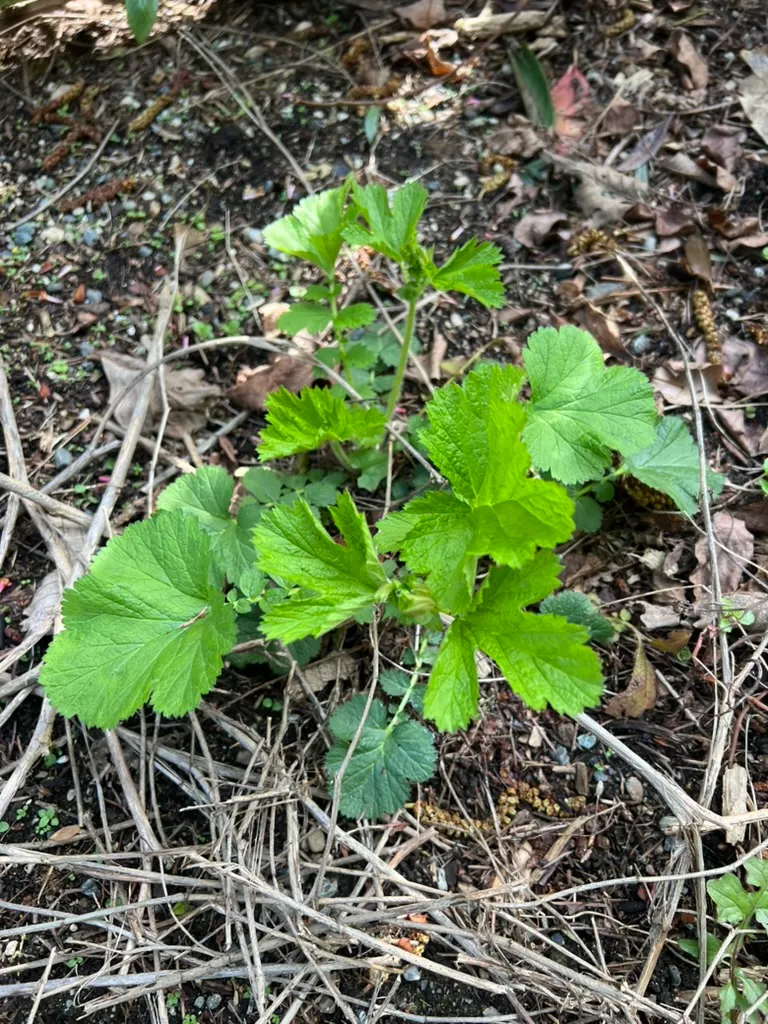
Bright green, pinnately compound, softly hairyGrowing Conditions
Sun Requirements
Full Sun
Partial Shade
Requires 4-10 hours of direct sunlight daily
• Full Sun: 6+ hours of direct sunlight
• Partial Shade: 3-6 hours of direct sunlight
• Full Shade: Less than 3 hours of direct sunlight
Soil Requirements
pH Range5.5 - 7.0(Neutral)
357912
Soil Types
loamsandclay
Drainage
well drained
Water & Climate
Water Needs
Medium
Frost Tolerance
hardy
Time to Maturity
1–2 years
Care & Maintenance
Care Guide
Plant avens in full sun to light partial shade in well-drained, average to moderately fertile soil. Good drainage is important — Geum dislikes waterlogged conditions, especially in winter, which can cause crown rot. In the Pacific Northwest, site in a position with good air circulation and afternoon sun. Water regularly during the growing season but do not allow soil to remain saturated. Deadhead spent blooms consistently to encourage reblooming. Divide clumps every two to three years in spring or autumn as centers become congested and flowering declines. Apply a balanced fertilizer or compost top-dressing in early spring to support the long blooming season.Pruning
Deadhead spent flowers regularly throughout the blooming season by cutting individual stems back to a lateral bud or to the basal foliage to encourage continuous bloom. In late autumn, cut back the entire plant to the basal rosette, removing spent stems and any winter-damaged foliage. Divide overcrowded clumps in early spring or autumn every two to three years, discarding dead centers and replanting vigorous outer rosette sections at the original depth.Pruning Schedule
J
F
M
A
M
J
J
A
S
O
N
D
summerfall
Maintenance Level
moderateContainer Growing
✓ Suitable for container growing
Minimum container size: 3 gallons