1 / 3
Perennials
Gaura
Wand Flower
Onagraceae
Texas and Louisiana; open prairies, roadsides, and disturbed ground on hot, dry, calcareous soils
At a Glance
TypePerennial
HabitUpright
FoliageDeciduous
Height2–4 feet (60–120 cm)
Width2–3 feet (60–90 cm)
Maturity1 years
Growing Zones
USDA Hardiness Zones
5 - 9Zone 5
Zone 6
Zone 7
Zone 8
Zone 9
These zones indicate the coldest temperatures this plant can typically survive.
Frost Tolerancehardy
Key Features
Attracts Pollinators
Attracts Butterflies
Deer Resistant
Drought Tolerant
Container Friendly
Native to North America
Maintenancelow
Overview
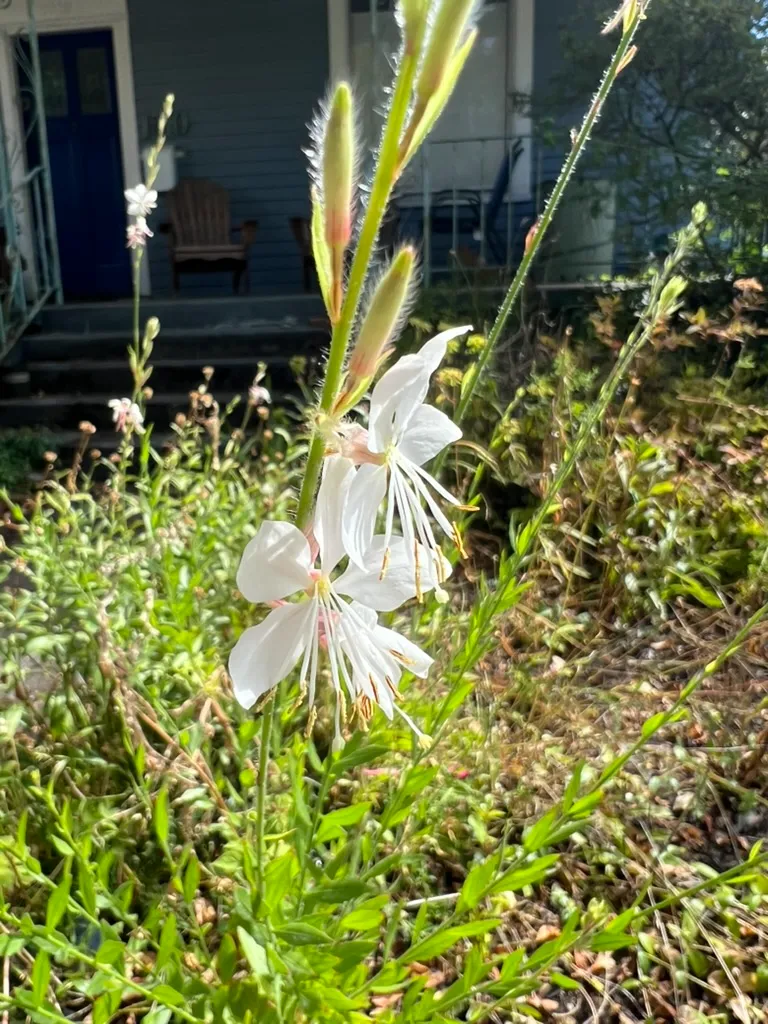
A clump-forming, airy perennial reaching 2–4 feet (60–120 cm) tall and 2–3 feet (60–90 cm) wide, producing wiry, branching stems tipped with small, four-petaled flowers in white to pale pink from late spring through fall. Flowers 0.75–1 inch (2–2.5 cm) across, each lasting one day but produced continuously in great numbers as buds open progressively along the wand-like stems — giving the effect of hovering butterflies. Leaves lance-shaped, 1–3 inches (2.5–7.5 cm) long, sometimes marked with red or burgundy. Exceptionally drought-tolerant and long-blooming once established. Now reclassified as Oenothera lindheimeri by most botanical authorities, though Gaura remains the common horticultural name. Hardy in USDA zones 5–9.
Native Range
Gaura lindheimeri (Oenothera lindheimeri) is native to Texas and Louisiana in the south-central United States, growing in open prairies, roadsides, and disturbed ground adapted to hot, dry, calcareous soils. It is the primary species in cultivation.Suggested Uses
Planted in sunny, dry borders, gravel gardens, Mediterranean-style plantings, and prairie or meadow gardens at 24–36 inch (60–90 cm) spacing. The airy butterfly-like flowers and exceptional drought tolerance make it one of the best long-blooming perennials for dry, well-drained Pacific Northwest sites. Effective as a border filler or mixed with ornamental grasses, salvias, and sedums in low-water plantings.How to Identify
Appearance
Size & Dimensions
Height2' - 4'
Width/Spread2' - 3'
Reaches mature size in approximately 1 years
Colors
Flower Colors
white
pink
Foliage Colors
green
red
Fall Foliage Colors
no change
Bloom Information
Bloom Period
~22 weeksJ
F
M
A
M
J
J
A
S
O
N
D
SpringSummerFall
Detailed Descriptions
Flower Description
Four-petaled, 0.75–1 inch (2–2.5 cm) across, white to pale pink; pink-flowered cultivars deepen in color in cool fall temperaturesFoliage Description
Lance-shaped, 1–3 inches (2.5–7.5 cm) long, mid-green; some cultivars marked with red or burgundy spottingGrowing Conditions
Sun Requirements
Full Sun
Requires 6-12 hours of direct sunlight daily
• Full Sun: 6+ hours of direct sunlight
• Partial Shade: 3-6 hours of direct sunlight
• Full Shade: Less than 3 hours of direct sunlight
Soil Requirements
pH Range6.0 - 7.5(Neutral)
357912
Soil Types
loamsand
Drainage
well drained
Water & Climate
Water Needs
Low
Frost Tolerance
hardy
Time to Maturity
1–2 years
Drought Tolerance
Drought tolerant when established
Care & Maintenance
Care Guide
Plant in full sun in well-drained to dry soil — excellent drainage is essential; will not tolerate waterlogged conditions. Space 24–36 inches (60–90 cm) apart. Tolerates heat, drought, and poor soils once established; may struggle in heavy clay or consistently moist Pacific Northwest soils unless drainage is amended. Cut back by one-half to two-thirds in late spring to encourage compact growth. Self-sows in favorable conditions — deadhead if unwanted seedlings are a concern.Pruning
Cut back by one-half to two-thirds in late spring (May) before the plant reaches full height to encourage a more compact, self-supporting habit. Cut to the ground in late fall after frost kills the stems. Division every 3–4 years in spring maintains vigor.Pruning Schedule
J
F
M
A
M
J
J
A
S
O
N
D
late springfall
Maintenance Level
lowContainer Growing
✓ Suitable for container growing
Minimum container size: 5 gallons