1 / 6
Broadleaf Deciduous Trees
Fagus sylvatica var. atropurpurea atropurpurea
purple beech
Fagaceae
Selected forms of European beech; species native to central and western Europe
At a Glance
TypeTree
HabitSpreading
FoliageDeciduous
Height50-80 feet (15-24 m)
Width40-60 feet (12-18 m)
Maturity40 years
Growing Zones
USDA Hardiness Zones
4 - 8Zone 4
Zone 5
Zone 6
Zone 7
Zone 8
These zones indicate the coldest temperatures this plant can typically survive.
Frost Tolerancehardy
Overview
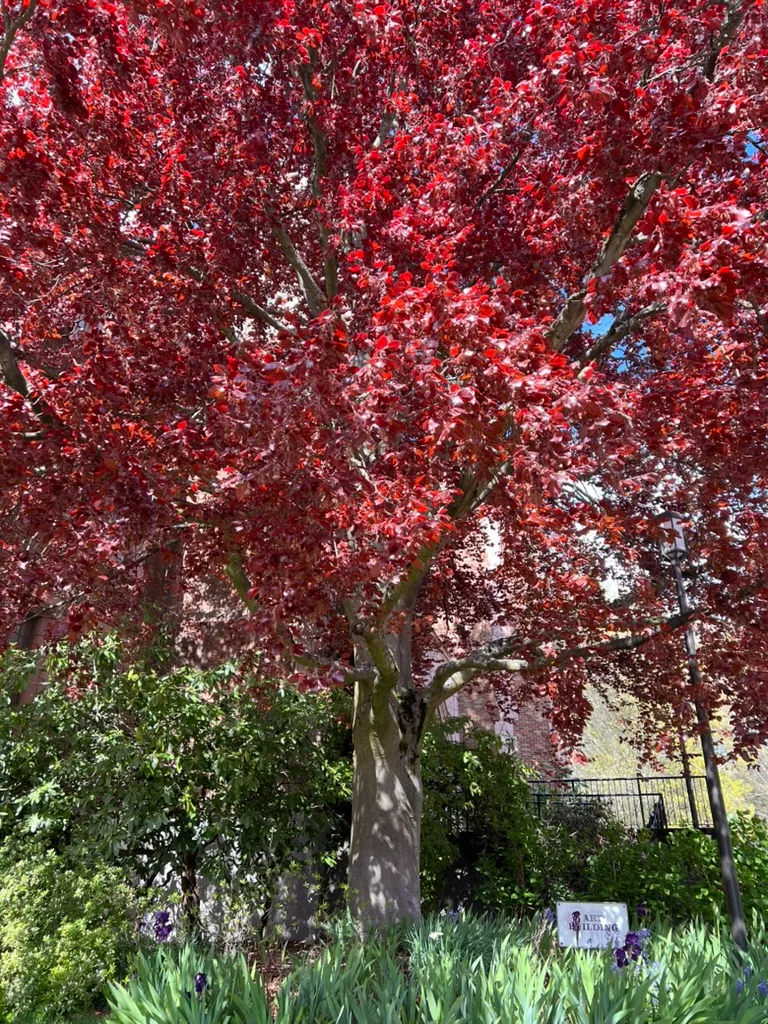
Fagus sylvatica var. atropurpurea (purple beech, copper beech) is a large deciduous tree reaching 50–80 feet (15–24 m) tall and 40–60 feet (12–18 m) wide, identical in form and structure to European beech but distinguished throughout the growing season by rich purple to burgundy-copper foliage — one of the most spectacular large foliage trees in temperate horticulture. The same diagnostic smooth pale silver-gray bark of the species is present, unchanged even on very old trunks, paired now with a canopy that emerges copper-crimson in spring, deepens to rich purple-burgundy in full summer sun, and transitions through warm bronze tones in fall. The purple coloration is produced by anthocyanin pigments that mask the underlying green chlorophyll; color is most intense in full sun and in spring, and fades toward bronze-green in heavy shade — siting in full sun is essential for maximum effect. Numerous named selections exist within this group: 'Riversii' (very dark purple, large-growing, most popular), 'Purpurea Tricolor' (leaves variegated pink-white-purple), and 'Dawyck Purple' (narrow columnar habit). All share the same stately long-lived character of the species — these are century trees. The same August through September pruning window applies. Great Plant Picks endorsed (see species entry, GPP 629).
Native Range
Fagus sylvatica var. atropurpurea represents spontaneously occurring and selected purple-leaved forms of European beech. Purple-leaved seedlings arise naturally in beech populations across Europe; the group has been cultivated since at least the 17th century. Species native to central and western Europe.Suggested Uses
A landmark foliage tree for large PNW gardens, parks, and estates — one of the most sought-after large trees in temperate horticulture. The deep purple-burgundy summer canopy provides dramatic color contrast against green backdrops, stone walls, or open sky. Most effective when viewed from a distance where the full crown is visible. Pairs beautifully with silver and gray-foliaged plants, gold-foliaged shrubs, and white-flowering perennials. 'Dawyck Purple' (narrow columnar habit) is an excellent choice where space is limited — reaches only 15–20 feet (4.5–6 m) wide. A purple beech hedge is one of the most refined hedging choices available — it retains its copper-purple marcescent leaves through winter.How to Identify
Appearance
Size & Dimensions
Height50' - 80'
Width/Spread40' - 60'
Reaches mature size in approximately 40 years
Colors
Flower Colors
green
Foliage Colors
purple
Fall Foliage Colors
orange
brown
Bloom Information
Bloom Period
~2 weeksJ
F
M
A
M
J
J
A
S
O
N
D
Spring
Detailed Descriptions
Flower Description
inconspicuous (wind-pollinated)Foliage Description
copper-crimson in spring, deepening to rich purple-burgundy in summer (full sun essential for best color); copper-bronze in fallGrowing Conditions
Sun Requirements
Full Sun
Requires 6-12 hours of direct sunlight daily
• Full Sun: 6+ hours of direct sunlight
• Partial Shade: 3-6 hours of direct sunlight
• Full Shade: Less than 3 hours of direct sunlight
Soil Requirements
pH Range5.5 - 7.5(Neutral)
357912
Soil Types
loamsiltclaychalk
Drainage
well drained
Water & Climate
Water Needs
Medium
Frost Tolerance
hardy
Time to Maturity
30-50 years
Care & Maintenance
Care Guide
Same cultural requirements as Fagus sylvatica. Plant in moist, well-drained, fertile soil — loam, silt, clay, or chalk, but not waterlogged or compacted ground. Full sun is strongly recommended and effectively essential for deep purple foliage color — specimens in heavy shade fade to bronze-green and lose most of their ornamental distinction. Avoid soil compaction in the root zone; the shallow extensive root system is sensitive. Do not grow grass directly under the canopy of mature trees. Prune in August through September — the critical timing shared with all beeches — never in spring. In the PNW, copper beeches develop excellent color in sunny open positions; they are slower than some alternative purple-leaved trees but far more long-lived and stately.Pruning
Prune in August through September — the same critical timing as the species. Avoid spring pruning (heavy sap bleeding, disease entry risk). Remove dead, damaged, or crossing branches. Train a single central leader on young trees by removing competing leaders in August through September. Beech hedges using purple beech are visually stunning — clip in August after the spring growth hardens; fresh purple growth after clipping is a bonus ornamental effect.Pruning Schedule
J
F
M
A
M
J
J
A
S
O
N
D
summerfall