1 / 2
Broadleaf Evergreen Shrubs
Daphne x transatlantica 'Summer Ice'
Summer Ice hybrid daphne
Thymelaeaceae
Garden hybrid (D. caucasica x D. collina); parents from Caucasus Mountains and Mediterranean
At a Glance
TypeShrub
HabitMounding
FoliageSemi-evergreen
Height2–3 feet (0.6–0.9 m)
Width2–4 feet (0.6–1.2 m)
Maturity4 years
Growing Zones
USDA Hardiness Zones
5 - 9Zone 5
Zone 6
Zone 7
Zone 8
Zone 9
These zones indicate the coldest temperatures this plant can typically survive.
Frost Tolerancehardy
Key Features
Attracts Pollinators
Deer Resistant
Fragrant (strong)
Container Friendly
Maintenancemoderate
Overview
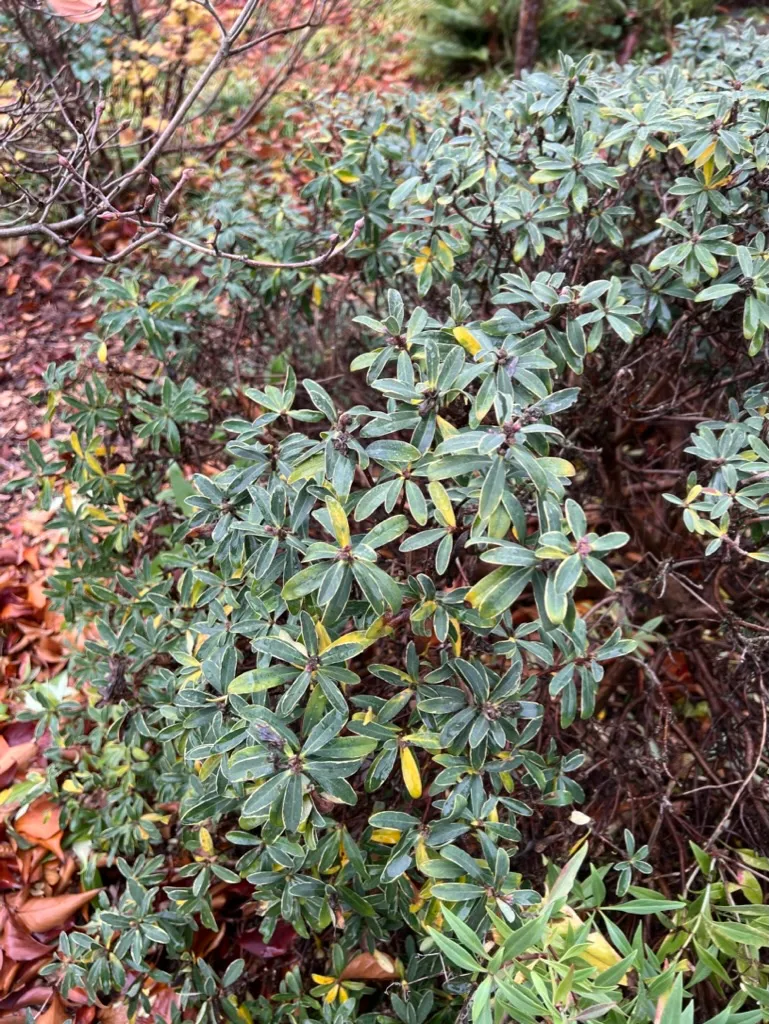
Daphne x transatlantica 'Summer Ice' is a semi-evergreen shrub reaching 2–3 feet (0.6–0.9 m) tall with a spread of 2–4 feet (0.6–1.2 m). This hybrid cultivar produces narrowly oval to elliptic leaves 1 1/2–2 1/2 inches (4–6 cm) long with dark green centers and creamy-white to pale cream margins; the margin is broader and brighter than that of D. odora 'Aureomarginata'. Leaves are alternately arranged. The plant forms a compact, somewhat open to rounded mounding habit, smaller and more refined than D. caucasica. Intensely fragrant white to faintly blushed-pink tubular flowers with four spreading lobes appear in clusters of 5–12 at branch tips from April through October, with heaviest bloom in spring (April–June) and fall (September–October) and lighter intermittent bloom through summer. Individual flowers are approximately 1/4–3/8 inch (6–9 mm) across. This repeat-blooming habit over 5–6 months distinguishes 'Summer Ice' from most other ornamental daphnes. Semi-evergreen in zones 5–6, where most leaves drop in hard winters; largely evergreen in zones 7–9. Growth rate is moderate; plants approach mature dimensions in 3–5 years. All parts of the plant are highly toxic.
Native Range
Daphne x transatlantica is a garden-raised hybrid between Daphne caucasica (from the Caucasus Mountains) and Daphne collina (native to southern Italy and the eastern Mediterranean). Summer Ice is a vegetatively propagated cultivar selected from this hybrid; it does not occur in the wild.Suggested Uses
Planted near paths, seating areas, or building entries where the repeat-blooming fragrance can be appreciated from April through fall. Used in mixed borders where the variegated foliage provides year-round interest and the extended bloom season fills a long period. The hardiness to zone 5 extends the range of fragrant daphnes into climates where D. odora is not reliable. Not suited to wet soils or sites requiring frequent root disturbance.How to Identify
Appearance
Size & Dimensions
Height2' - 3'
Width/Spread2' - 4'
Reaches mature size in approximately 4 years
Colors
Flower Colors
white
pink
Foliage Colors
dark green
cream
white
Bloom Information
Bloom Period
~26 weeksJ
F
M
A
M
J
J
A
S
O
N
D
SpringSummerFall
Detailed Descriptions
Flower Description
White to faintly blushed-pinkFoliage Description
Dark green centers with broad creamy-white margins; narrowly oval-elliptic, alternately arrangedGrowing Conditions
Sun Requirements
Partial Shade
Full Sun
Requires 3-6 hours of direct sunlight daily
• Full Sun: 6+ hours of direct sunlight
• Partial Shade: 3-6 hours of direct sunlight
• Full Shade: Less than 3 hours of direct sunlight
Soil Requirements
pH Range6.0 - 7.5(Neutral)
357912
Soil Types
loamsand
Drainage
well drained
Water & Climate
Water Needs
Moderate
Frost Tolerance
hardy
Time to Maturity
3–5 years
Care & Maintenance
Care Guide
Requires well-drained soil; root rot develops in heavy clay or wet conditions within 1–3 seasons. Select a permanent site — Daphne resents root disturbance and transplanting. Water weekly for the first two growing seasons; established plants prefer even moisture and show reduced blooming during drought. Mulch with 2–3 inches (5–8 cm) of organic matter, keeping mulch away from stems. Feed with a balanced slow-release fertilizer in early spring. D. x transatlantica 'Summer Ice' is more adaptable to varied conditions and generally more robust than D. odora, but the genus-wide risk of sudden dieback remains. In zones 5–6, site where the plant receives some protection from harsh winter winds to minimize semi-evergreen leaf drop. All parts are highly toxic — wear gloves when handling.Pruning
Minimal pruning required. Remove dead or damaged stems as needed. Light trimming to shape may be done after the spring bloom flush; do not remove more than one-quarter of growth in a single season. Avoid pruning into old leafless wood. Hard rejuvenation pruning is not recommended and may trigger decline.Pruning Schedule
J
F
M
A
M
J
J
A
S
O
N
D
late spring
Maintenance Level
moderateContainer Growing
✓ Suitable for container growing