1 / 14
Perennials
Dahlia Hybrids
dahlia
AsteraceaeMexico, Guatemala, Colombia
At a Glance
TypePerennial
HabitUpright
FoliageDeciduous
Height1-6 feet (30-180 cm)
Width1-3 feet (30-90 cm)
Growing Zones
USDA Hardiness Zones
8 - 11Zone 8
Zone 9
Zone 10
Zone 11
These zones indicate the coldest temperatures this plant can typically survive.
Frost Tolerancetender
Key Features
Attracts Pollinators
Attracts Butterflies
Container Friendly
Maintenancehigh
Overview
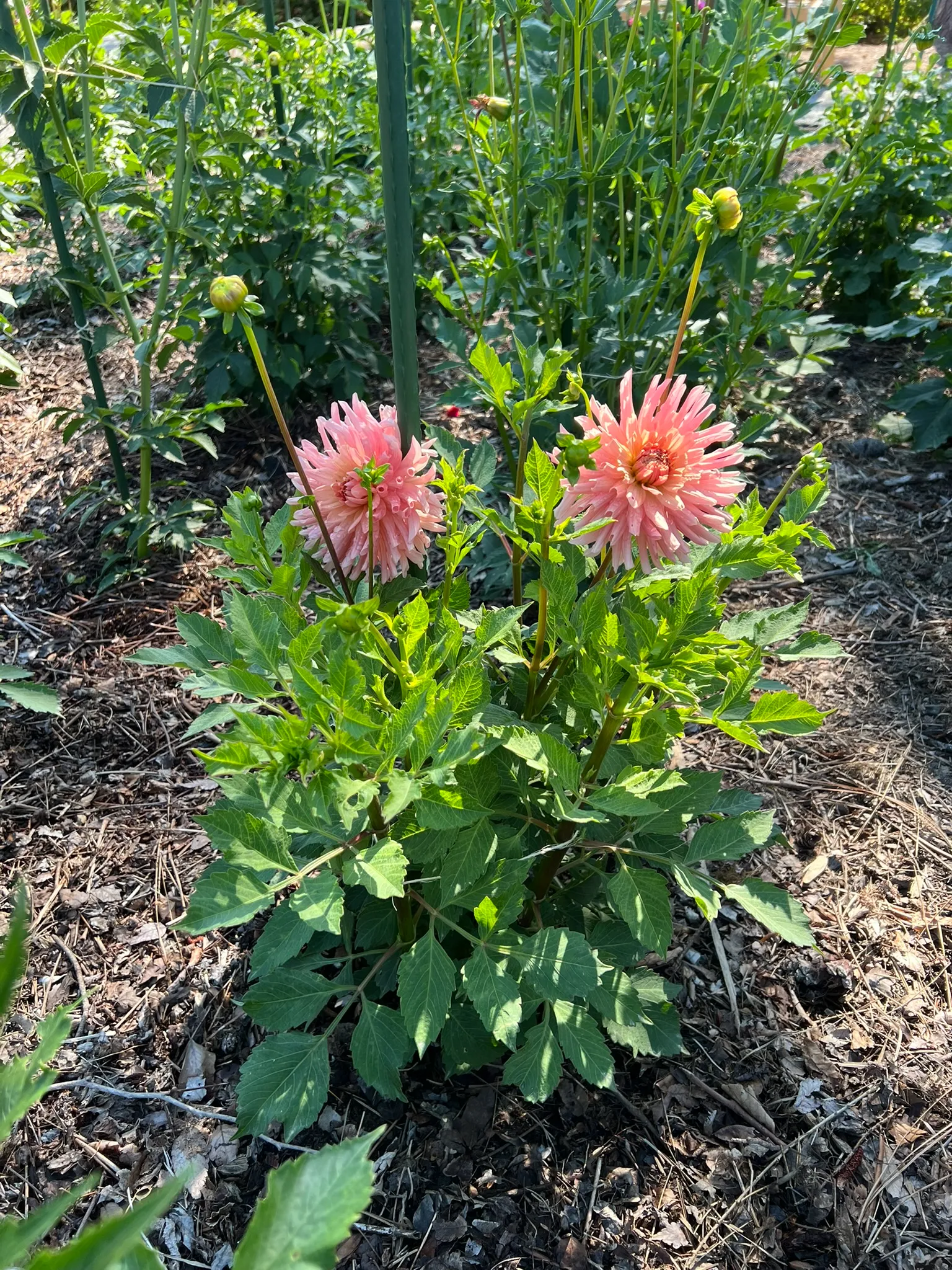
A genus of tuberous perennials in the family Asteraceae, native to Mexico and Central America, encompassing thousands of named cultivars grouped into 14+ official flower form divisions. Plants range from compact bedding types 12–18 inches (30–45 cm) tall to giant varieties reaching 4–6 feet (120–180 cm). Leaves are opposite, pinnately compound with ovate, toothed leaflets, medium to dark green. Flower heads range from 2 inches (5 cm) in ball and pompon types to over 12 inches (30 cm) in dinner-plate decoratives, in forms including single, anemone, collarette, waterlily, decorative, ball, pompon, cactus, and semi-cactus. The full color range spans white, cream, yellow, orange, pink, red, purple, and bronze; bicolors, picotees, and blends are common. True blue is absent from the genus. Plants flower from midsummer until hard frost. Tubers are tender and must be lifted and stored over winter in zones 7 and colder. Dahlias require staking for all but compact types.
Native Range
Species native to the highlands of Mexico, Guatemala, and Colombia, growing in open woodlands, meadows, and disturbed ground at elevations of 3,000–10,000 feet (900–3,000 m). Modern garden dahlias are complex interspecific hybrids with thousands of years of selection and breeding history following their introduction to Europe in the late 18th century.Suggested Uses
Grown in dedicated dahlia borders, cutting gardens, and mixed perennial beds at spacing of 18–36 inches (45–90 cm) depending on cultivar size. Compact bedding types are effective in containers of 5 gallons (19 L) or more. Dahlias are among the most productive cut flowers available — stems last 5–8 days in water when cut in the early morning at bud stage.How to Identify
Appearance
Size & Dimensions
Height1' - 6'
Width/Spread1' - 3'
Colors
Flower Colors
white
yellow
orange
pink
red
purple
bronze
Foliage Colors
green
Fall Foliage Colors
no change
Bloom Information
Bloom Period
~14 weeksJ
F
M
A
M
J
J
A
S
O
N
D
SummerFall
Detailed Descriptions
Flower Description
white, yellow, orange, pink, red, purple, bronze, bicolorsFoliage Description
medium to dark greenGrowing Conditions
Sun Requirements
Full Sun
Requires 6-8 hours of direct sunlight daily
• Full Sun: 6+ hours of direct sunlight
• Partial Shade: 3-6 hours of direct sunlight
• Full Shade: Less than 3 hours of direct sunlight
Soil Requirements
pH Range6.0 - 7.0(Neutral)
357912
Soil Types
loamsand
Drainage
well drained
Water & Climate
Water Needs
Medium
Frost Tolerance
tender
Time to Maturity
1 year
Care & Maintenance
Care Guide
Plant tubers after the last frost date, 4–6 inches (10–15 cm) deep in full sun in fertile, well-drained soil with a pH of 6.0–7.0. Stake tall cultivars at planting; do not wait until they fall over. Water regularly and deeply once plants emerge — inconsistent watering causes bud drop. Fertilize every 3–4 weeks with a low-nitrogen, high-phosphorus and potassium fertilizer to promote tuber development and flowering. Deadhead spent flowers to maintain continuous bloom. In zones 7 and colder, lift tubers after the first frost kills the foliage; cut stems to 4 inches (10 cm), cure for 1 week in a dry location, and store at 40–50°F (4–10°C) in barely moist peat or vermiculite through winter.Pruning
Pinch the growing tip at 12 inches (30 cm) height — removing the top two leaf pairs — to promote branching and more flower stems. Deadhead spent flowers promptly by cutting back to a side bud to maintain continuous bloom. Disbud side buds on tall decorative and cactus types to direct energy into one large central flower per stem for exhibition. Remove all foliage and cut stems to 4 inches (10 cm) after frost kills the top growth.Pruning Schedule
J
F
M
A
M
J
J
A
S
O
N
D
late springsummerfall
Maintenance Level
highContainer Growing
✓ Suitable for container growing
Minimum container size: 5 gallons