1 / 3
Broadleaf Evergreen Shrubs
Cistus x purpureus
Orchid Rockrose
Cistaceae
Mediterranean Basin (hybrid of garden origin)
At a Glance
TypeShrub
HabitMounding
FoliageEvergreen
Height3–5 feet (0.9–1.5 m)
Width3–5 feet (0.9–1.5 m)
Maturity5 years
Growing Zones
USDA Hardiness Zones
7 - 10Zone 7
Zone 8
Zone 9
Zone 10
These zones indicate the coldest temperatures this plant can typically survive.
Frost Tolerancehardy
Key Features
Attracts Pollinators
Deer Resistant
Drought Tolerant
Fragrant (light)
Maintenancelow
Overview
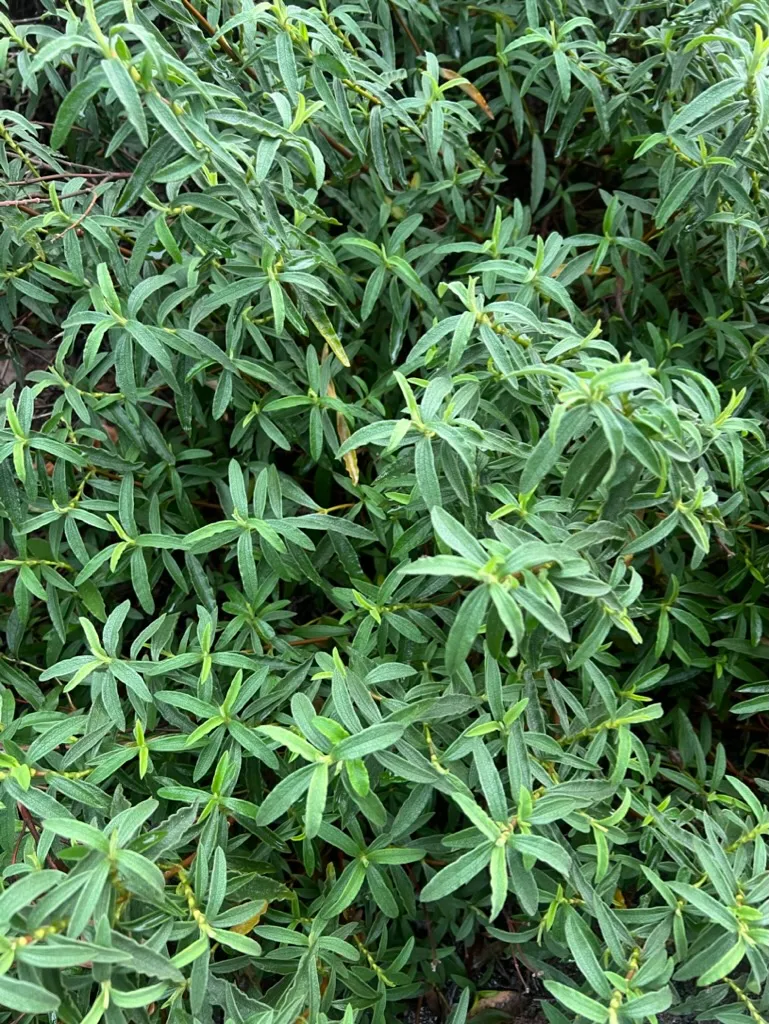
An evergreen shrub reaching 3–5 feet (0.9–1.5 m) tall with a similar spread. Habit is rounded to mounded with upright to slightly spreading stems. Leaves opposite, lance-shaped to oblong, 1.5–2.5 inches (3.8–6.4 cm) long, gray-green to sage-green, with a slightly wrinkled, rugose surface and slightly wavy margins. Foliage is lightly aromatic when touched or crushed, releasing a faint resinous scent. Flowers produced abundantly from May through July; each bloom lasts a single day but opens successively. Petals five, rosy-purple to magenta-pink, approximately 1–1.25 inches (2.5–3.2 cm) long, with a prominent dark maroon to blackish-purple blotch at the base of each petal surrounding a cluster of yellow stamens. Flowers 2–3 inches (5–7.6 cm) in diameter. Drought tolerance is high once established; plants in well-drained soils tolerate extended dry periods during the Mediterranean summer dry season. Does not transplant well once established due to sensitive root system. Short-lived in heavy clay or waterlogged soils; typical lifespan 7–12 years in appropriate conditions.
Native Range
Cistus × purpureus is a hybrid of garden origin, resulting from crosses between Mediterranean species — most commonly attributed to C. ladanifer × C. creticus. Its parent species are native to the Mediterranean Basin, including Spain, France, Portugal, Italy, North Africa, and the eastern Mediterranean islands. The hybrid itself does not occur naturally in the wild.Suggested Uses
Commonly planted on dry slopes, in rock gardens, and in Mediterranean or xeric border plantings where summer drought is expected. Spacing at 3–4 feet (0.9–1.2 m) allows mature spread without crowding. Tolerates poor rocky or sandy soils, salt spray, and wind exposure, making it suitable for coastal plantings in appropriate hardiness zones. Not suitable for regularly irrigated mixed borders or regions with humid, wet summers.How to Identify
Appearance
Size & Dimensions
Height3' - 5'
Width/Spread3' - 5'
Reaches mature size in approximately 5 years
Colors
Flower Colors
purple
pink
magenta
Foliage Colors
gray green
sage green
Bloom Information
Bloom Period
~8 weeksJ
F
M
A
M
J
J
A
S
O
N
D
SpringSummer
Detailed Descriptions
Flower Description
Rosy-purple to magenta-pink with dark maroon basal blotchesFoliage Description
Sage-green to gray-green, rugose surfaceGrowing Conditions
Sun Requirements
Full Sun
Requires 6-8 hours of direct sunlight daily
• Full Sun: 6+ hours of direct sunlight
• Partial Shade: 3-6 hours of direct sunlight
• Full Shade: Less than 3 hours of direct sunlight
Soil Requirements
pH Range6.0 - 8.0(Neutral)
357912
Soil Types
sandloamrocky
Drainage
well drained
Water & Climate
Water Needs
Low
Frost Tolerance
hardy
Time to Maturity
2–3 years
Drought Tolerance
Drought tolerant when established
Care & Maintenance
Care Guide
Water regularly during the first growing season to establish a deep root system; once established, plants require little to no supplemental irrigation in climates with winter or spring rainfall. Avoid watering during the summer dry season once established, as excessive summer moisture increases root rot risk significantly. Do not transplant once the root system is established; transplanting after the first growing season causes high plant mortality. Avoid heavy clay soils or any situation with standing water — roots are highly susceptible to Phytophthora root rot in poorly drained soils. Fertilization is generally unnecessary and may shorten plant lifespan; plants perform best in lean, low-nutrient soils. Plants decline and should be replaced after 7–15 years, as they do not regenerate well from old wood.Pruning
Prune lightly immediately after flowering in July, removing up to one-third of the current season's growth to maintain compact habit and prevent legginess. Do not cut into old wood, as Cistus does not regenerate from old stems and hard pruning below the green leafy wood will kill the branch. Deadheading spent flowers is not necessary or practical given the volume of daily bloom drop. Plants that have become very woody at the base and open in the center are past prime and are typically replaced rather than rejuvenated.Pruning Schedule
J
F
M
A
M
J
J
A
S
O
N
D
summer