1 / 3
Herbaceous
Chrysanthemum leucanthemum vulgare
Oxeye Daisy
AsteraceaeEurope, temperate Asia
At a Glance
TypePerennial
HabitUpright
FoliageDeciduous
Height12-36 inches (30-90 cm)
Width12-24 inches (30-60 cm)
Growing Zones
USDA Hardiness Zones
3 - 9Zone 3
Zone 4
Zone 5
Zone 6
Zone 7
Zone 8
Zone 9
These zones indicate the coldest temperatures this plant can typically survive.
Frost Tolerancehardy
Key Features
Attracts Pollinators
Attracts Butterflies
Deer Resistant
Drought Tolerant
Maintenancehigh
Overview
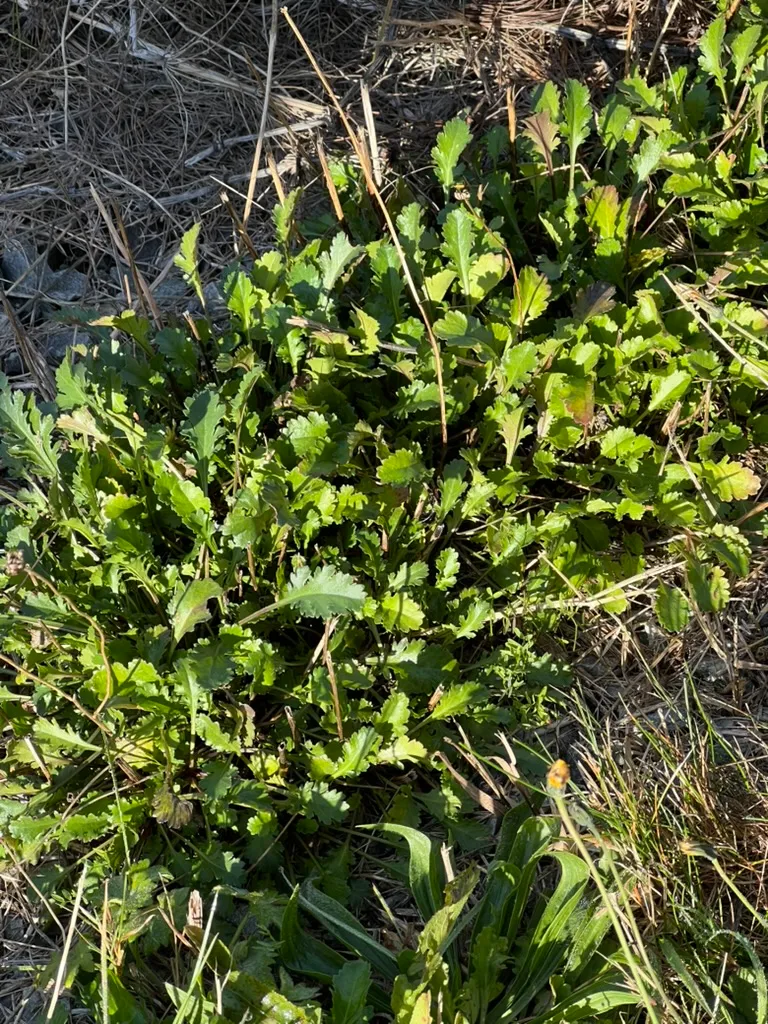
Leucanthemum vulgare (syn. Chrysanthemum leucanthemum) is a rhizomatous herbaceous perennial in the daisy family (Asteraceae) reaching 12–36 inches (30–90 cm) tall with a 12–24 inch (30–60 cm) spread. Basal leaves are spatulate, 2–5 inches (5–13 cm) long, with crenate (rounded-toothed) margins on long petioles. Stem leaves are progressively smaller upward, oblong, sessile, clasping, with coarse irregular teeth. Stems are erect, usually unbranched, smooth to sparsely hairy. Flower heads are solitary at the stem tips, 1.5–2.5 inches (4–6 cm) in diameter, with 20–30 white ray florets surrounding a flat to slightly domed yellow disc. Each head produces 200–500 seeds lacking a pappus. Plants spread by shallow, creeping rhizomes and by seed. A single plant produces 1,300–4,000 seeds annually, and dense stands produce up to 26,000 seeds per square yard (31,000 per square meter). Listed as a noxious weed in multiple U.S. states and Canadian provinces. Dense colonies form in pastures, meadows, and roadsides, displacing native grasses and reducing forage quality. Rhizome fragments as small as 0.5 inch (1 cm) regenerate.
Native Range
Native to Europe and temperate Asia, occurring in meadows, grasslands, and roadsides from sea level to approximately 7,000 feet (2,100 m). Introduced to North America as an ornamental and in contaminated seed, now naturalized across most of the United States and Canada. Classified as a noxious weed in several western and midwestern states.Suggested Uses
Used in noxious weed identification training and rangeland management curricula. Studied in meadow ecology and invasion biology. In its native European range, the species is a component of traditional hay meadow communities. Flower heads are used in wildflower identification exercises for Asteraceae ray/disc morphology.How to Identify
Appearance
Size & Dimensions
Height1' - 3'
Width/Spread1' - 2'
Colors
Flower Colors
white
yellow
Foliage Colors
green
Fall Foliage Colors
no change
Bloom Information
Bloom Period
~6 weeksJ
F
M
A
M
J
J
A
S
O
N
D
SpringSummer
Detailed Descriptions
Flower Description
White rays with yellow discFoliage Description
Dark green; basal leaves spatulate with crenate margins on long petioles; stem leaves oblong, sessile, clasping, with irregular teethGrowing Conditions
Sun Requirements
Full Sun
Partial Shade
Requires 6-10 hours of direct sunlight daily
• Full Sun: 6+ hours of direct sunlight
• Partial Shade: 3-6 hours of direct sunlight
• Full Shade: Less than 3 hours of direct sunlight
Soil Requirements
pH Range5.5 - 8.0(Neutral)
357912
Soil Types
loamclaysandsilt
Drainage
well drained
Water & Climate
Water Needs
Low
Frost Tolerance
hardy
Time to Maturity
1-2 years
Drought Tolerance
Drought tolerant when established
Care & Maintenance
Care Guide
Classified as a noxious weed in several U.S. states; management focuses on reducing rhizome spread and seed production. Hand-pulling is effective in small infestations if all rhizome fragments are removed; fragments left in soil regenerate within 2–3 weeks. Mowing before seed maturity reduces seed production but does not eliminate rhizome-based spread. Repeated mowing 3–4 times per season for 2–3 years weakens rhizomes in some populations. Dense stands in pastures reduce forage availability and are avoided by cattle due to the acrid taste of the foliage. Revegetation with competitive perennial grasses after removal limits re-establishment from the soil seed bank.Pruning
No pruning applicable in a horticultural sense. Cutting flowering stems to the basal rosette before seed set reduces dispersal. Plants resprout from rhizomes after cutting and may produce a second flowering flush. In managed meadow or pasture settings, mowing to 3–4 inches (8–10 cm) at early bloom stage prevents seed maturation.Pruning Schedule
J
F
M
A
M
J
J
A
S
O
N
D
summer