Annuals
Allium cepa 'Red Creole'
Red Creole Onion
UnknownAsia
At a Glance
Typeannual
Habitupright
Foliagedeciduous
Height18-24 inches
Width6-8 inches
Key Features
Deer Resistant
Fragrant (strong)
Container Friendly
Maintenancelow
Overview
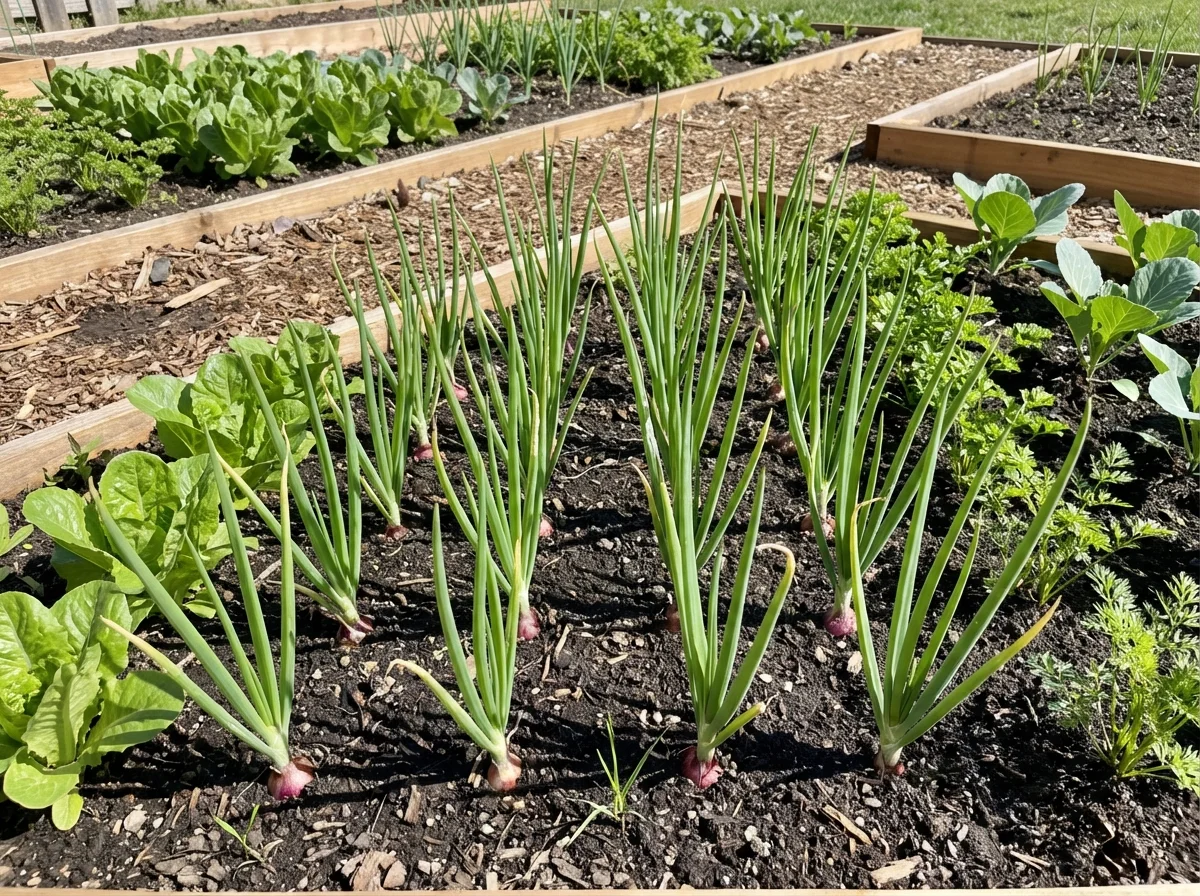
Allium cepa 'Red Creole' is a distinctive short-day storage onion cultivar prized for its exceptional heat tolerance and deep red coloration. This heirloom variety produces medium to large flattened-globe bulbs measuring 3-4 inches in diameter, distinguished by their rich mahogany-red to deep purple outer scales that protect crisp white flesh marked with purple-tinged rings. The plant develops hollow, blue-green tubular leaves that emerge directly from the bulb base, reaching 18-24 inches in height with a characteristic onion aroma when bruised.
The foliage is cylindrical and tapered, creating an upright fountain-like appearance in the garden. When allowed to bolt, Allium cepa 'Red Creole' produces tall, hollow flower stalks topped with spherical umbels of small white flowers, though these are typically removed to promote bulb development. This cultivar is particularly valued for its pungent, sharp flavor that intensifies during storage and its remarkable ability to thrive in hot, humid climates where other onion varieties often fail to form proper bulbs.
Native Range
Allium cepa originates from the mountainous regions of Central Asia, particularly Afghanistan, Pakistan, and surrounding areas of the Hindu Kush and Pamir mountain ranges. The species has been cultivated for over 5,000 years, spreading from its native habitat through ancient trade routes to become one of the world's most widely grown vegetables. The 'Red Creole' cultivar was developed in Louisiana and adapted specifically for cultivation in hot, humid southern climates.Suggested Uses
Allium cepa 'Red Creole' excels in vegetable gardens, raised beds, and container cultivation where its compact growth habit and attractive foliage provide ornamental value alongside food production. The strong, pungent flavor makes it ideal for cooking applications requiring robust onion taste, while the striking red color adds visual appeal to fresh preparations and garnishes. This cultivar is particularly valuable for gardeners in hot, humid climates where it serves as a reliable storage onion when other varieties fail to bulb properly. Excellent for succession planting and companion planting with heat-loving vegetables.How to Identify
Appearance
Size & Dimensions
Height1'6" - 2'
Width/Spread6" - 8"
Colors
Flower Colors
white
Foliage Colors
blue
green
Fall Foliage Colors
yellow
Bloom Information
Bloom Period
J
F
M
A
M
J
J
A
S
O
N
D
SummerFall
Detailed Descriptions
Flower Description
small white flowers in spherical umbelsFoliage Description
blue-green, hollow and tubularGrowing Conditions
Sun Requirements
Full Sun
• Full Sun: 6+ hours of direct sunlight
• Partial Shade: 3-6 hours of direct sunlight
• Full Shade: Less than 3 hours of direct sunlight
Soil Requirements
pH Range6.0 - 7.0(Neutral)
357912
Drainage
well drained
Water & Climate
Water Needs
moderate, reduce as bulbs mature
Frost Tolerance
hardy
Time to Maturity
110-120 days
Care & Maintenance
Care Guide
Allium cepa 'Red Creole' requires consistent moisture during active growth but benefits from reduced watering as bulbs approach maturity and foliage begins to yellow. Apply a balanced fertilizer at planting, then switch to a low-nitrogen, high-phosphorus formula mid-season to promote bulb development rather than excessive foliage growth. Maintain weed-free conditions throughout the growing season, as onions compete poorly with weeds due to their shallow root system. Hill soil gently around developing bulbs to encourage proper formation, but avoid covering the neck area completely. Cease watering when the tops naturally begin to fall over, indicating physiological maturity and readiness for harvest.Pruning
Allium cepa 'Red Creole' requires minimal pruning during the growing season, with the primary concern being the removal of flower stalks (scapes) that may appear, especially during stress periods. Cut these flowering shoots at the base to redirect the plant's energy into bulb development rather than seed production. Resist the temptation to cut back foliage prematurely, as the leaves are essential for photosynthesis and bulb development until they naturally begin to yellow and collapse. After harvest, cure the bulbs in a warm, dry, well-ventilated area for 2-3 weeks, leaving the dried tops attached until ready for final trimming and storage.Maintenance Level
lowContainer Growing
✓ Suitable for container growing
⚠️ Toxicity Warning
Allium cepa 'Red Creole' is safe for human consumption when prepared normally, whether raw or cooked. However, onions contain compounds that are toxic to dogs, cats, and other pets, potentially causing oxidative damage to red blood cells and leading to hemolytic anemia. The sulfur compounds responsible for the plant's pungent flavor can cause eye and skin irritation during handling and preparation. Some individuals may experience digestive upset from consuming raw onions in large quantities, and those with specific food sensitivities should exercise appropriate caution.Planting Guide
Planting Methods & Timing
Planting Method
both
Indoor Start
10 weeks before last frost
Direct Sow Timing
early spring, 4-6 weeks before last frost
Days to Maturity
110–120 days
Plant Spacing
4 inches
Companion Planting
Good Companions
carrots
tomatoes
peppers
brassicas
lettuce
Avoid Planting With
beans
peas
asparagus
sage