Plant Reference
Allium, Genus, cepa, Species, 'Cabernet', Cultivar,
- Genus & species
- Cultivar
cabernet red onion
Central Asia (Allium cepa); Cabernet is a modern cultivar developed through selective breeding for deep red coloration
Overview
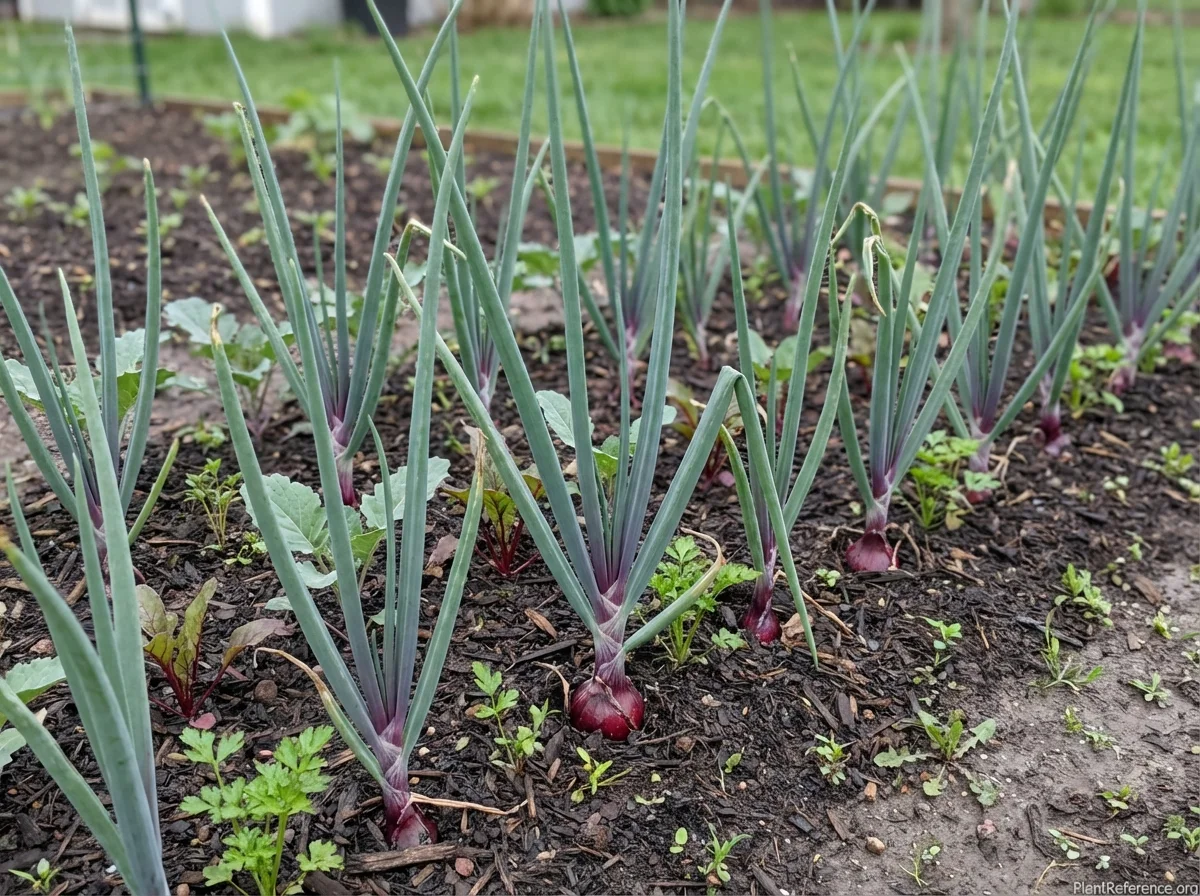
Allium cepa 'Cabernet' is a red storage onion cultivar in the amaryllis family (Amaryllidaceae) reaching 12-18 inches (30-45 cm) tall with a 4-6 inch (10-15 cm) spread and an upright habit. The cultivar produces globe-shaped bulbs slightly flattened in profile, 3-4 inches (7-10 cm) in diameter, with deep burgundy-purple papery outer skins and rich wine-red internal flesh — the dark red coloration is the source of the wine-inspired name. Flesh shows red-purple rings concentric to the bulb axis, with a mild to moderately pungent flavor that sweetens when cooked. Foliage is hollow and tubular, blue-green, and reaches 12-18 inches in height. Cabernet is a long-day onion (14-16 hours daylight required for bulbing). Days to maturity 100-120 from sowing. The cultivar stores reasonably well — the dense flesh and pigmented skin support a 4-6 month holding window in proper conditions, less than dedicated long-storage cultivars like 'Australian Brown' but longer than fresh-eating types like 'Ailsa Craig'.
Native Range
Allium cepa is native to Central Asia (Iran, Afghanistan, Pakistan), where the species was domesticated over 4,000 years ago. The 'Cabernet' cultivar is a modern selection developed for deep red coloration through commercial onion breeding programs.Suggested Uses
Grown in vegetable gardens for fresh culinary use, cooking, and storage. The deep red coloration suits raw applications in salads, sandwiches, and garnishes where color matters. The 4-6 month storage life makes the cultivar suited to home gardens producing a portion of the year's onion supply. Long-day type, so the cultivar is suited to latitudes above 36°N. Mild-to-moderate pungency, with sweetening on cooking, suits both raw and cooked preparations.How to Identify
Appearance
Size & Dimensions
Height1' - 1'6"
Width/Spread4" - 6"
Bloom Information
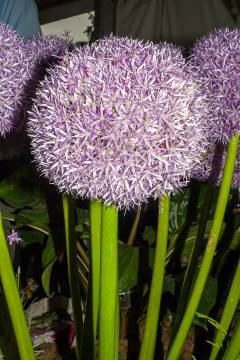
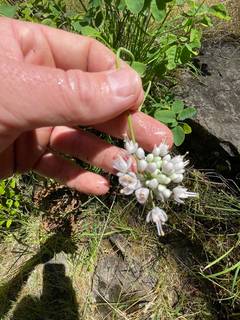
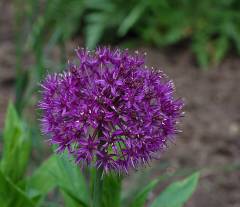
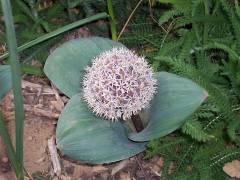
Onions bolt to seed if exposed to prolonged cold during early growth, producing a single flower stalk topped with a white spherical umbel. Bolting reduces bulb size and quality. The cultivar is grown as an annual for bulb production, and any flower stalks appearing during the bulb season are cut at the base.
Detailed Descriptions
Flower Description
White in spherical umbels — only when the plant bolts, which is undesirable in a bulb cropFoliage Description
Blue-green hollow tubular leavesGrowing Conditions
Sun Requirements
• Full Sun: 6+ hours of direct sunlight
• Partial Shade: 3-6 hours of direct sunlight
• Full Shade: Less than 3 hours of direct sunlight
Care & Maintenance
Care Guide
Full sun in well-drained fertile soil at pH 6.0-7.0, with consistent moisture during the growing season. Compost amendment at planting and a balanced fertilizer side-dress when plants are 6 inches tall and again as bulbs swell support steady bulb development. Watering is reduced as harvest approaches to encourage proper curing. Long-day onion: bulbs form when daylight reaches 14-16 hours, suiting the cultivar to latitudes above 36°N. Fertilization stops 4-6 weeks before harvest. The dense pigmented flesh stores 4-6 months under proper curing and dry storage at 32-40°F (0-4°C). All Allium species contain thiosulfates that are toxic to dogs, cats, and horses; the bulb and foliage are not given to pets.Pruning
Flower stalks appearing during the bulb season are cut at the base to direct energy into bulb development. Watering stops as harvest approaches and foliage is allowed to yellow and die back naturally. Green foliage is not cut during growth, since cutting reduces bulb size and storage life.Container Growing
Suitable for container growing
Toxicity Warning
Toxic to cats and dogs if eaten; cats are especially susceptible, and raw, cooked or concentrated plant material can damage red blood cells and cause anaemia.Planting Guide
Planting Methods & Timing
Planting Method
both
Indoor Start
10 weeks before last frost
Direct Sow Timing
early spring, 2-4 weeks before last frost
Days to Maturity
100–120 days
Plant Spacing
4 inches