1 / 3
Annuals
Allium cepa 'Bridger'
Bridger Onion
AmaryllidaceaeAsia
At a Glance
Typeannual
Habitupright
Foliagedeciduous
Height18-24 inches
Width6-8 inches
Growing Zones
USDA Hardiness Zones
3a - 7bZone 3a
Zone 3b
Zone 4a
Zone 4b
Zone 5a
Zone 5b
Zone 6a
Zone 6b
Zone 7a
Zone 7b
These zones indicate the coldest temperatures this plant can typically survive.
Frost Tolerancehardy
Key Features
Deer Resistant
Container Friendly
Maintenancelow
Overview
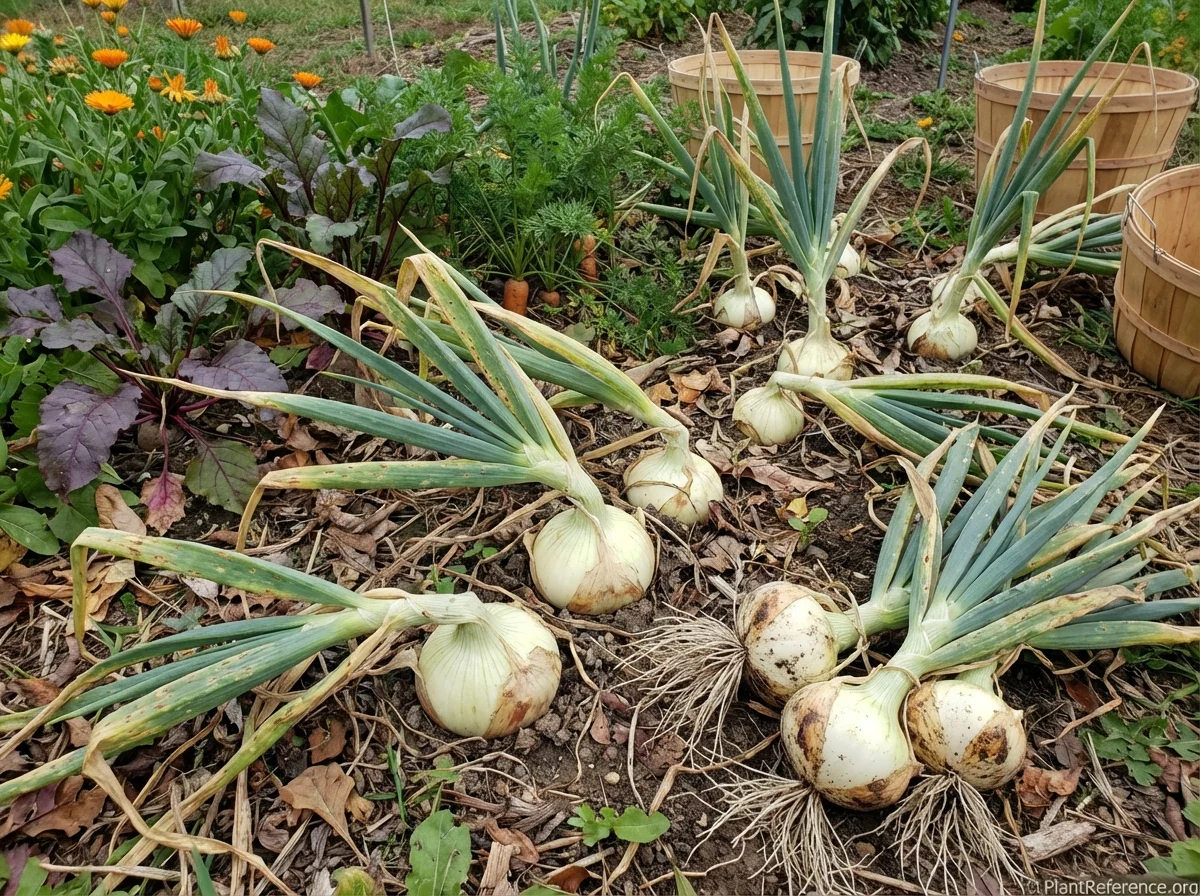
Allium cepa 'Bridger' is a robust long-day storage onion cultivar specifically developed for northern growing regions with extended daylight hours. This annual vegetable produces large, globe-shaped bulbs that typically reach 3-4 inches in diameter at maturity, characterized by distinctive golden-bronze papery outer scales that provide excellent protection for extended storage periods. The crisp white flesh beneath offers a mild to moderately pungent flavor that intensifies beautifully when cooked, making it versatile for both fresh and culinary applications. The foliage consists of distinctive hollow, cylindrical blue-green leaves with a waxy surface texture that emerge from the central bulb in an attractive upright fan-like arrangement. These tubular leaves typically reach 18-24 inches in height and maintain their blue-green coloration throughout the growing season. Allium cepa 'Bridger' is particularly valued for its exceptional storage capabilities, with properly cured bulbs maintaining quality for months when stored in cool, dry conditions.
Native Range
Allium cepa is believed to be native to the mountainous regions of Central Asia, particularly areas of modern-day Iran, Afghanistan, and Pakistan. Wild ancestors of the onion evolved in these regions where they adapted to distinct seasonal temperature variations, well-drained soils, and the specific photoperiod conditions that influenced the development of long-day and short-day varieties.Suggested Uses
Allium cepa 'Bridger' excels as a versatile all-purpose cooking onion and is particularly valued for its exceptional long-term storage capabilities in root cellars or cool, dry storage areas. This cultivar is ideally suited for northern gardens where long-day varieties are essential for proper bulb formation and development. Use young bulbs fresh in salads and raw preparations, or incorporate mature bulbs into soups, stews, roasts, and braised dishes where the mild flavor develops beautifully. The balanced pungency makes Allium cepa 'Bridger' excellent for caramelizing, while the firm texture holds up well in extended cooking applications.How to Identify
Appearance
Size & Dimensions
Height1'6" - 2'
Width/Spread6" - 8"
Colors
Flower Colors
white
Foliage Colors
blue
green
Bloom Information
Bloom Period
J
F
M
A
M
J
J
A
S
O
N
D
Summer
Detailed Descriptions
Flower Description
whiteFoliage Description
blue-greenGrowing Conditions
Sun Requirements
Full Sun
• Full Sun: 6+ hours of direct sunlight
• Partial Shade: 3-6 hours of direct sunlight
• Full Shade: Less than 3 hours of direct sunlight
Soil Requirements
pH Range6.0 - 7.0(Neutral)
357912
Drainage
well drained
Water & Climate
Water Needs
moderate
Frost Tolerance
hardy
Time to Maturity
100-110 days
Care & Maintenance
Care Guide
Allium cepa 'Bridger' requires consistent, even moisture throughout the growing season, particularly during the critical bulb development phase in mid-summer. Water deeply but infrequently to encourage strong root development, while avoiding overwatering which can lead to bulb rot and fungal issues. Apply a balanced fertilizer at planting time and provide a nitrogen side-dressing when plants reach 6 inches in height to support vigorous foliage growth. As bulbs begin to mature, gradually reduce watering and completely stop irrigation when the tops begin to yellow and naturally fall over, signaling that the bulbs have reached maturity. Ensure good air circulation around plants and maintain weed-free conditions to prevent competition for nutrients and reduce disease pressure.Pruning
Allium cepa 'Bridger' requires minimal pruning during the active growing season to maximize bulb development. Promptly remove any flower stalks (scapes) that emerge to redirect the plant's energy from seed production back into bulb enlargement and storage quality. Resist the temptation to cut back the foliage prematurely, as the leaves continue to photosynthesize and feed the developing bulb until they naturally begin to yellow and topple over. Once harvested, trim the roots close to the bulb base and cut the tops to approximately 1 inch above the bulb neck for optimal storage preparation and to prevent moisture loss.Maintenance Level
lowContainer Growing
✓ Suitable for container growing
⚠️ Toxicity Warning
Allium cepa 'Bridger' is completely safe for human consumption and is widely cultivated as a food crop worldwide. However, all onions contain compounds that can be toxic to dogs, cats, and other pets, potentially causing hemolytic anemia and other serious health issues. Keep harvested bulbs, plant debris, and kitchen scraps containing onions away from animals. Some individuals may experience digestive discomfort or heartburn when consuming large quantities of raw onions, though cooking typically reduces these effects.Planting Guide
Planting Methods & Timing
Planting Method
both
Indoor Start
10 weeks before last frost
Direct Sow Timing
early spring, 2-3 weeks before last frost
Days to Maturity
100–110 days
Plant Spacing
4 inches
Companion Planting
Good Companions
carrots
tomatoes
peppers
brassicas
lettuce
Avoid Planting With
beans
peas
asparagus