1 / 9
Broadleaf Deciduous Shrubs
Abelia grandiflora
Glossy Abelia
CaprifoliaceaeAsia
At a Glance
Typeshrub
Habitarching
Foliagesemi-evergreen
Height3-6 feet (90-180 cm)
Width3-5 feet (90-150 cm)
Maturity3 years
Growing Zones
USDA Hardiness Zones
6a - 9bZone 6a
Zone 6b
Zone 7a
Zone 7b
Zone 8a
Zone 8b
Zone 9a
Zone 9b
These zones indicate the coldest temperatures this plant can typically survive.
Frost Tolerancehardy
Key Features
Attracts Pollinators
Attracts Butterflies
Attracts Hummingbirds
Deer Resistant
Drought Tolerant
Fragrant (light)
Container Friendly
Maintenancelow
Overview
Abelia x grandiflora is a graceful semi-evergreen to deciduous shrub that forms an elegant fountain-like silhouette, reaching 3-6 feet (90-180 cm) in height with a slightly narrower spread of 3-5 feet (90-150 cm). This refined hybrid between Abelia chinensis and Abelia uniflora features distinctively arching branches that create a naturally rounded, cascading form. The small, glossy oval leaves measure 0.75-1.5 inches (2-4 cm) long and are arranged in opposite pairs along smooth, reddish-brown stems.
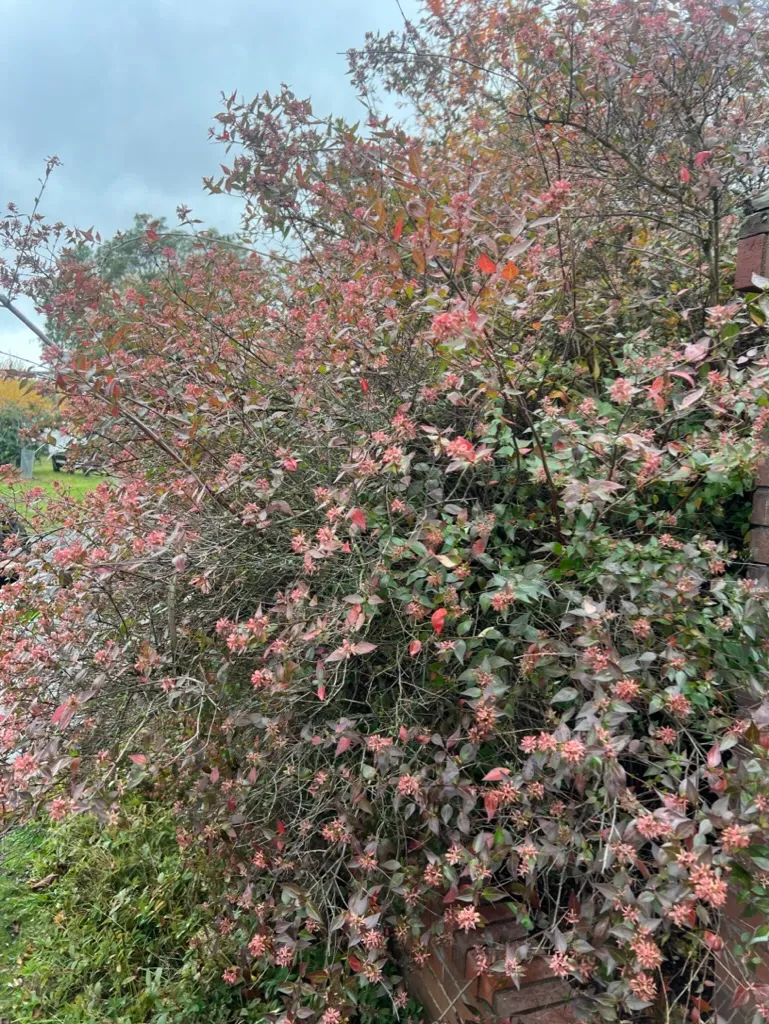
The foliage provides year-round interest through its seasonal color progression. Leaves emerge as medium green in spring, develop into lustrous deep green during summer, then transform to distinctive bronze-purple hues in fall and winter that intensify with cold temperatures. In warmer zones 8-9, the plant maintains its evergreen character, while in cooler zones 6-7, foliage typically drops after hard freezes below 10°F (-12°C). Small tubular flowers, white to pale pink in color, appear in terminal clusters throughout the long blooming season, followed by persistent pinkish sepals that extend the ornamental display for weeks after petals fall.
Native Range
Abelia x grandiflora is not native to any natural habitat, being an artificial hybrid created in Italian nurseries during the 1800s through crossing Abelia chinensis and Abelia uniflora. Both parent species originate from montane regions of China, where Abelia chinensis is found in eastern China and Abelia uniflora occurs in central China. In their native range, these species inhabit woodland edges and rocky slopes at elevations between 3,000-6,500 feet (900-2,000 m), thriving in the temperate climate conditions of these mountainous regions.Suggested Uses
Abelia x grandiflora excels as an informal hedge or privacy screen when planted with 3-4 foot (90-120 cm) spacing, providing extended seasonal color when many other shrubs have finished blooming. The graceful arching habit makes it ideal for foundation plantings where it softens harsh architectural lines, and its 3-6 foot mature height perfectly fills the mid-layer in mixed borders. The exceptionally long 16-20 week flowering season makes it valuable for pollinator gardens, attracting butterflies, bees, and hummingbirds throughout summer and fall. Consider using it in transitional areas between formal and naturalized garden spaces, or as a specimen plant where its fountain-like form can be appreciated. The plant is not suitable for formal gardens requiring strict geometric shaping, as frequent shearing significantly reduces flowering by removing flower buds.How to Identify
Appearance
Size & Dimensions
Height3' - 6'
Width/Spread3' - 5'
Reaches mature size in approximately 3 years
Colors
Flower Colors
white
pink
Foliage Colors
dark green
bronze
purple
Fall Foliage Colors
bronze
purple
Bloom Information
Bloom Period
~20 weeksJ
F
M
A
M
J
J
A
S
O
N
D
SummerFall
Detailed Descriptions
Flower Description
White to pale pinkFoliage Description
Glossy dark green, developing bronze-purple tints in fall and winterGrowing Conditions
Sun Requirements
Full Sun
Partial Shade
Requires 4-12 hours of direct sunlight daily
• Full Sun: 6+ hours of direct sunlight
• Partial Shade: 3-6 hours of direct sunlight
• Full Shade: Less than 3 hours of direct sunlight
Soil Requirements
pH Range5.5 - 7.5(Neutral)
357912
Soil Types
clayloamsand
Drainage
well drained
Water & Climate
Water Needs
moderate
Frost Tolerance
hardy
Time to Maturity
2-3 years
Drought Tolerance
Drought tolerant when established
Care & Maintenance
Care Guide
Abelia x grandiflora requires consistent moisture during its first growing season for proper establishment, with weekly deep watering to 12 inches (30 cm) depth during dry periods. Once established, the plant develops moderate drought tolerance and can withstand dry periods of 10-14 days, though it performs optimally with regular moisture during active growth and flowering periods. Avoid planting in poorly drained or consistently wet soils, as root rot can develop within 1-2 growing seasons under these conditions. For best flowering performance, provide at least 6 hours of direct sunlight daily, though the plant tolerates partial shade with a 30-40% reduction in bloom production. Apply balanced slow-release fertilizer in early spring to support vigorous growth and flowering. Avoid over-fertilization, which promotes excessive vegetative growth at the expense of flower production and can create a leggy appearance.Pruning
Prune Abelia x grandiflora in late winter or early spring, typically February through March, before new growth begins. Remove any dead, damaged, or winter-killed stems by cutting them to ground level. In zones 7-9, expect minimal winter damage, while zone 6 may experience 30-50% dieback after harsh winters. Maintain plant vigor and flowering by annually removing the oldest stems (those over 4-5 years old) at ground level to encourage new flowering wood and prevent the development of a leggy, sparse appearance. Light shaping can be performed after the first flush of bloom in July, but avoid heavy pruning after mid-summer as this removes developing flower buds needed for the important fall flowering display. For rejuvenation of overgrown or neglected specimens, cut the entire shrub to 6-12 inches (15-30 cm) in early spring. The plant will regrow to full size within one season, though flowering will be significantly reduced that year. Deadheading is unnecessary as spent flowers drop cleanly and the ornamental sepals provide continued interest.Pruning Schedule
J
F
M
A
M
J
J
A
S
O
N
D
late winterearly springmidsummer
Maintenance Level
lowContainer Growing
✓ Suitable for container growing
Minimum container size: 10 gallons
⚠️ Toxicity Warning
Non-toxic to humans, dogs, and cats. All parts of Abelia x grandiflora are considered safe, with no known toxicity issues reported in horticultural or veterinary literature.Planting Guide
Planting Methods & Timing
Planting Method
transplant