1 / 7
Broadleaf Deciduous Shrubs
Abelia grandiflora 'Edward Goucher'
Edward Goucher abela
Caprifoliaceae
Hybrid (garden origin; parents from China)
At a Glance
TypeShrub
HabitSpreading
FoliageSemi-evergreen
Height3–5 feet (0.9–1.5 m)
Width3–6 feet (0.9–1.8 m)
Maturity5 years
Growing Zones
USDA Hardiness Zones
5 - 9Zone 5
Zone 6
Zone 7
Zone 8
Zone 9
These zones indicate the coldest temperatures this plant can typically survive.
Frost Tolerancehardy
Key Features
Attracts Pollinators
Attracts Butterflies
Attracts Hummingbirds
Drought Tolerant
Fragrant (light)
Container Friendly
Maintenancelow
Overview
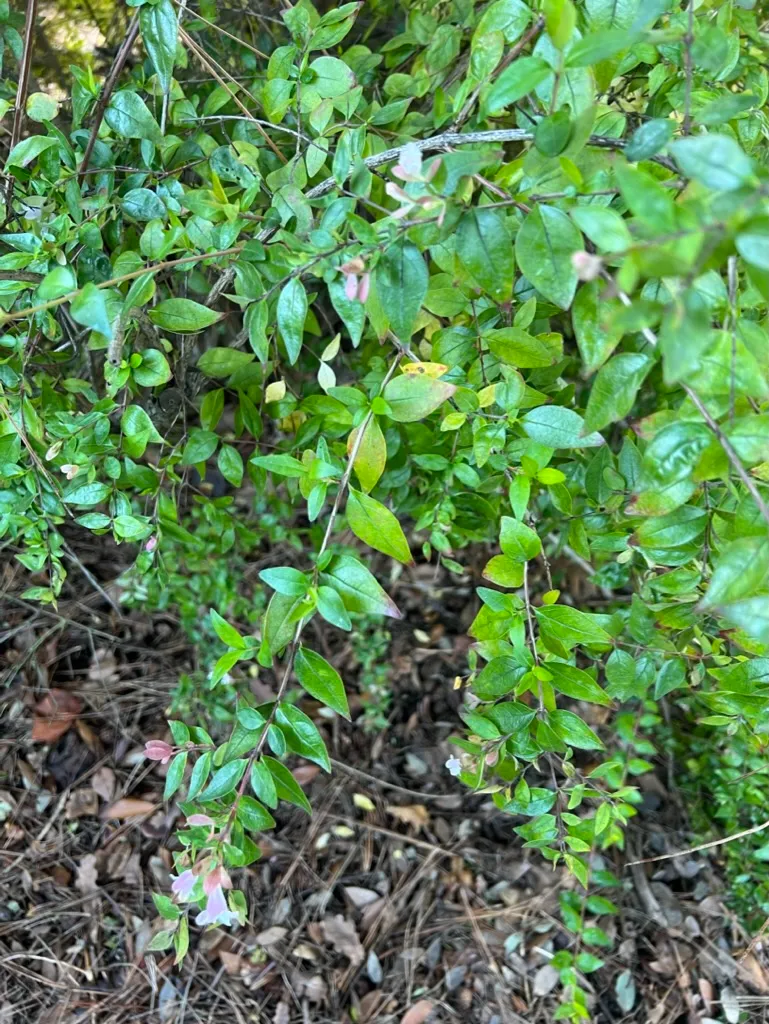
A semi-evergreen to deciduous shrub reaching 3–5 feet (0.9–1.5 m) tall with a similar or slightly wider spread. Branches arch in a fountain-like pattern, creating a mounded silhouette. Leaves opposite, ovate, 0.5–1.25 inches (1.3–3.2 cm) long, glossy, with finely serrated margins; new growth emerges bronze-tinted in spring, maturing to dark green. Foliage may develop purple-bronze tones in fall and persists through winter in zones 7–9, dropping in colder zones. Flowers tubular, five-lobed, approximately 0.75 inches (1.9 cm) long, lavender-pink, produced in clusters at stem tips from mid-July through October. Individual flowers are short-lived, but the pinkish-red persistent sepals remain after petals drop, extending ornamental interest into late fall. This cultivar is smaller and has a deeper pink flower than the species hybrid A. × grandiflora. Lower leaves may yellow and drop during extended drought. Spreads by suckering, which requires management in formal settings.
Native Range
Abelia × grandiflora is a hybrid of garden origin resulting from crosses between A. chinensis and A. uniflora, both native to China. The 'Edward Goucher' cultivar was developed at the US National Arboretum in Washington, D.C. and has no native habitat.Suggested Uses
Commonly planted in mixed shrub borders, informal hedges, and foundation plantings at 4–5 foot (1.2–1.5 m) spacing. Self-seeds are rare; the plant spreads primarily by suckering, which makes it suitable for erosion control on slopes. Grows in containers of 10–15 gallons (38–57 L) with regular watering, though container plants tend to be smaller than in-ground specimens.How to Identify
Appearance
Size & Dimensions
Height3' - 5'
Width/Spread3' - 6'
Reaches mature size in approximately 5 years
Colors
Flower Colors
lavender
pink
Foliage Colors
dark green
bronze
Bloom Information
Bloom Period
~14 weeksJ
F
M
A
M
J
J
A
S
O
N
D
SummerFall
Detailed Descriptions
Flower Description
Lavender-pink with pinkish-red persistent sepalsFoliage Description
Glossy dark green; new growth bronze-tinted; purple-bronze in fallGrowing Conditions
Sun Requirements
Full Sun
Partial Shade
Requires 4-8 hours of direct sunlight daily
• Full Sun: 6+ hours of direct sunlight
• Partial Shade: 3-6 hours of direct sunlight
• Full Shade: Less than 3 hours of direct sunlight
Soil Requirements
pH Range6.0 - 7.5(Neutral)
357912
Soil Types
loamsandclay
Drainage
well drained
Water & Climate
Water Needs
Medium
Frost Tolerance
hardy
Time to Maturity
2–3 years
Drought Tolerance
Drought tolerant when established
Care & Maintenance
Care Guide
Water weekly during the first growing season to establish roots; 1 inch (2.5 cm) per week is sufficient in the absence of rain. Established plants tolerate 2–3 weeks without irrigation but produce fewer flowers during prolonged dry spells. Apply 2–3 inches (5–7.5 cm) of organic mulch around the base, keeping it 2–3 inches (5–7.5 cm) away from stems to prevent crown rot. Fertilize once in early spring with a balanced slow-release formula; excessive nitrogen produces vigorous foliage at the expense of flowers. Scale insects and aphids may appear in summer; both are manageable with horticultural oil applied when dormant or insecticidal soap during the growing season. The plant suckers from the base; remove unwanted suckers at ground level in spring.Pruning
Prune in late winter or early spring before new growth begins, as this cultivar flowers on new wood and early pruning does not reduce bloom. Remove dead, damaged, or crossing stems first, then selectively thin older canes at the base to encourage vigorous new shoots. Light annual pruning of 20–30% maintains compact form and prevents the plant from becoming leggy. For full rejuvenation, cut all stems to 12–18 inches (30–45 cm) in late winter; the plant will not flower well the first season after hard pruning.Pruning Schedule
J
F
M
A
M
J
J
A
S
O
N
D
early spring
Maintenance Level
lowContainer Growing
✓ Suitable for container growing
Minimum container size: 10 gallons