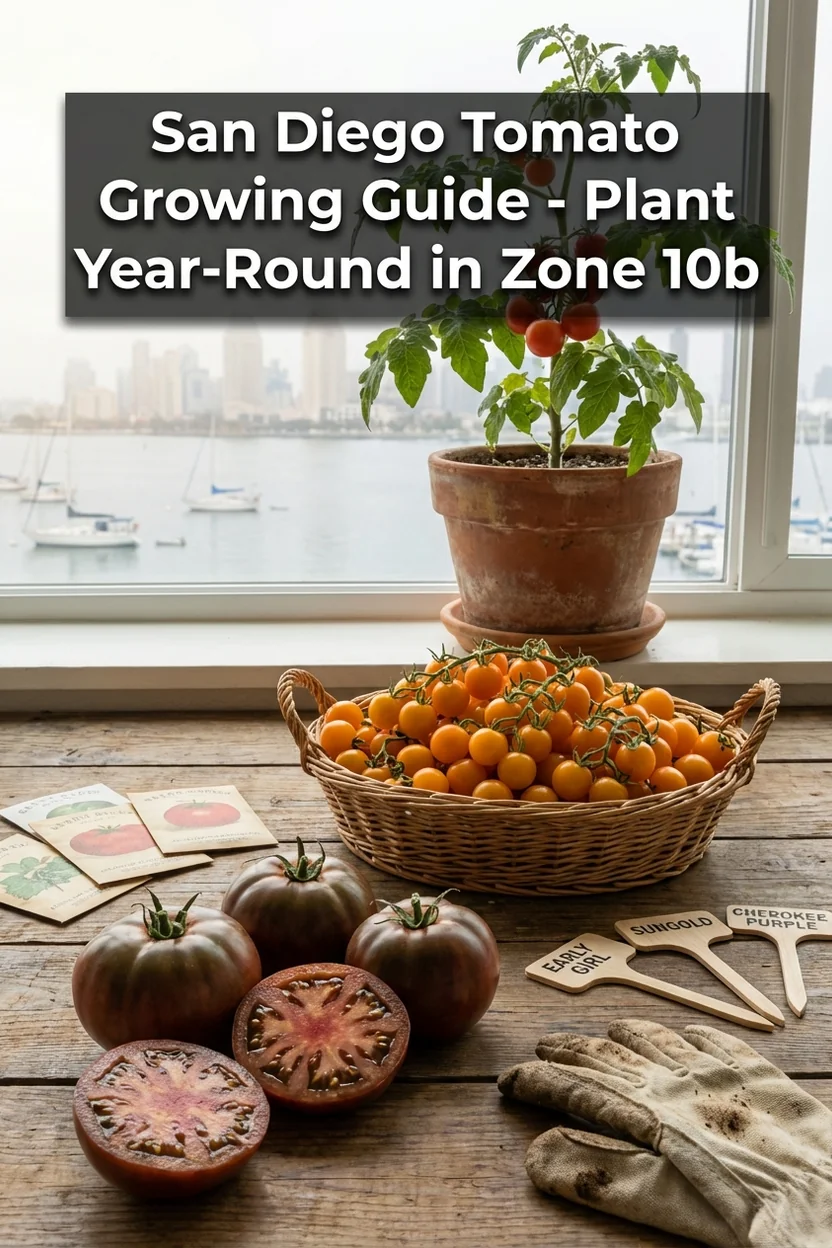
When to Plant Tomatoes in San Diego: Complete Guide + Best Varieties for Zone 10b
Pets & Toxicity
Recorded toxicity for plants linked in this guide. An unknown status is not a safety assessment.
Toxic to pets: early girl tomato, Sungold cherry tomato, cherokee purple tomato and 3 moreDetailsHide
Solanum lycopersicum 'Early Girl' — Toxicity Warning
Toxic to petsView Solanum lycopersicum 'Early Girl' plant profileSolanum lycopersicum 'Sungold' — Toxicity Warning
Toxic to petsView Solanum lycopersicum 'Sungold' plant profileSolanum lycopersicum 'Cherokee Purple' — Toxicity Warning
Toxic to petsView Solanum lycopersicum 'Cherokee Purple' plant profileSolanum lycopersicum 'Brandywine' — Toxicity Warning
Toxic to petsView Solanum lycopersicum 'Brandywine' plant profileSolanum lycopersicum 'Stupice' — Toxicity Warning
Toxic to petsView Solanum lycopersicum 'Stupice' plant profileSolanum lycopersicum 'San Marzano' — Toxicity Warning
Toxic to petsView Solanum lycopersicum 'San Marzano' plant profile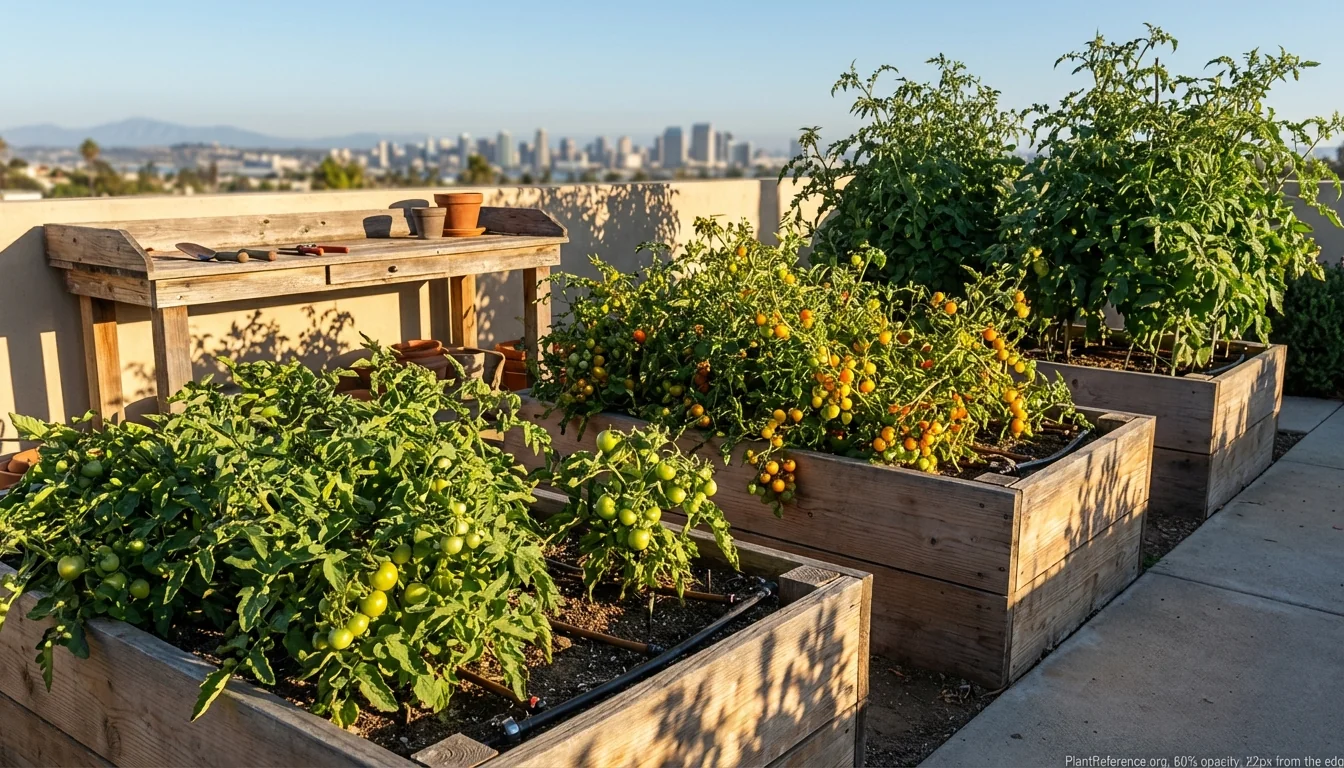
— Image © Plant Reference 2026
Living in San Diego means you've hit the gardening jackpot when it comes to growing tomatoes. Unlike gardeners in colder climates who get one short season, you can grow tomatoes year-round in Zone 10b. I've been gardening in Southern California for over thirty years, and I'll tell you exactly when to plant tomatoes in San Diego for the best results.
Best Tomato Varieties for San Diego's Climate
San Diego's Mediterranean climate with mild winters and warm, dry summers creates unique growing conditions. You'll want different varieties for different seasons, and understanding which tomatoes thrive in Zone 10b makes all the difference in your harvest success.
Heat-Tolerant Varieties for Summer Growing
Summer temperatures in San Diego can stress tomato plants, especially inland areas that reach 90°F (32°C) or higher. These varieties handle the heat and continue producing when others shut down.
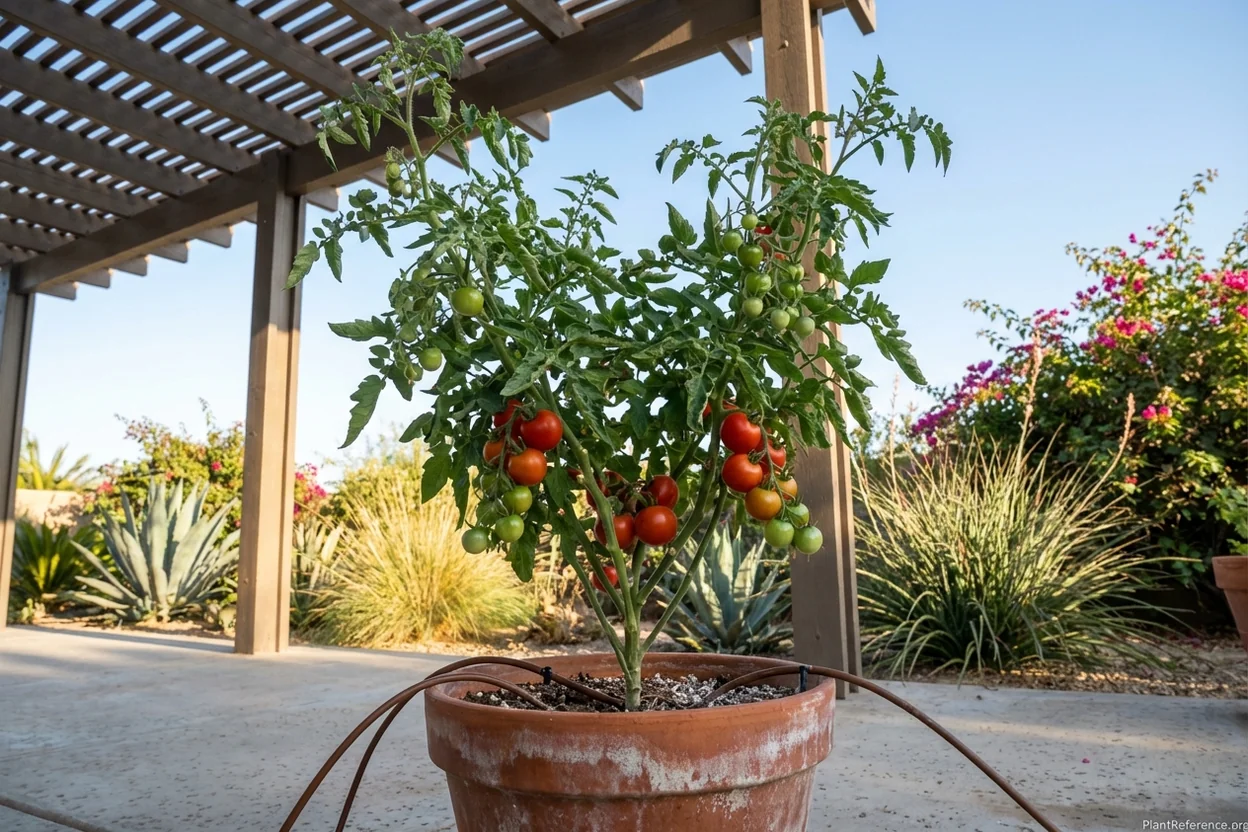
🌿Solanum lycopersicum 'Early Girl' remains my top recommendation for San Diego summers. This F1 hybrid was bred to set fruit in less-than-ideal conditions, including the temperature swings common in coastal Southern California. It produces 4-6 ounce (113-170g) fruits in just 50-62 days from transplant and keeps producing through summer heat when other varieties stop flowering.
🌿Solanum lycopersicum 'Sungold' cherry tomatoes are another summer champion. These golden-orange cherries have exceptional flavor - sweet with tropical notes that make them addictive straight off the vine. They're incredibly productive in San Diego's climate, often producing 15-20 pounds (6.8-9kg) per plant over the season.
🌿Solanum lycopersicum 'Stupice' deserves special mention for San Diego gardeners. This Czech heirloom was bred for cool conditions, but it has surprising heat tolerance. It's one of the few varieties that continues setting fruit during those tricky spring-to-summer transition periods when temperatures fluctuate wildly.
Cool-Season Varieties for Winter Growing
San Diego's mild winters (rarely below 40°F/4°C) allow you to grow heat-sensitive heirloom varieties that would be impossible in summer.
🌿Solanum lycopersicum 'Brandywine' performs beautifully in San Diego winters. This legendary heirloom produces massive pink beefsteak tomatoes with unmatched flavor, but it's extremely heat-sensitive. Plant it in September for harvest from December through March when temperatures stay between 60-75°F (15-24°C).
🌿Solanum lycopersicum 'Cherokee Purple' is another winter favorite. This dusky purple heirloom has complex, smoky flavor that's perfect for fresh eating. Like 'Brandywine', it struggles in heat but thrives in San Diego's cool season.
🌿Solanum lycopersicum 'San Marzano' paste tomatoes grow exceptionally well in San Diego's winter climate. These elongated plum tomatoes are perfect for sauce-making and have low water content that concentrates during our dry winter months.
Comparison Table: Best Varieties for San Diego
Variety | Days to Maturity | Best Season | Heat Tolerance | Notes for San Diego |
|---|---|---|---|---|
50-62 days | Spring/Summer | Excellent | Sets fruit in temperature swings | |
55-65 days | Spring/Summer | Very Good | Extremely productive, sweet flavor | |
52-60 days | Year-round | Good | Rare heat-tolerant heirloom | |
80-100 days | Fall/Winter | Poor | Perfect for winter growing | |
75-90 days | Fall/Winter | Poor | Excellent winter performer | |
78-85 days | Fall/Winter | Fair | Ideal for winter sauce making |
Specific Planting Dates for San Diego
San Diego's Zone 10b climate means you're working with a 322-day growing season - essentially year-round. However, timing still matters for optimal yields and plant health.
Spring Planting Season (Primary)
Seed Starting: Begin indoor seed starting January 1-15 for spring transplants. Use bottom heat mats to maintain 75-80°F (24-27°C) soil temperature for reliable germination.
Transplant Dates: February 15 - April 15 is your primary spring planting window. San Diego's last average frost date is January 31, but late cold snaps can occur through February. Wait until nighttime temperatures consistently stay above 50°F (10°C).
Recommended Varieties for Spring Planting:
🌿Solanum lycopersicum 'Early Girl' - transplant February 15-March 31
🌿Solanum lycopersicum 'Sungold' - transplant March 1-April 15
🌿Solanum lycopersicum 'Stupice' - transplant February 15-April 15
Summer Success Strategy
Many San Diego gardeners avoid summer tomato growing, but with proper variety selection and care, you can maintain production. The key is choosing heat-tolerant varieties and providing afternoon shade during peak summer months (July-September).
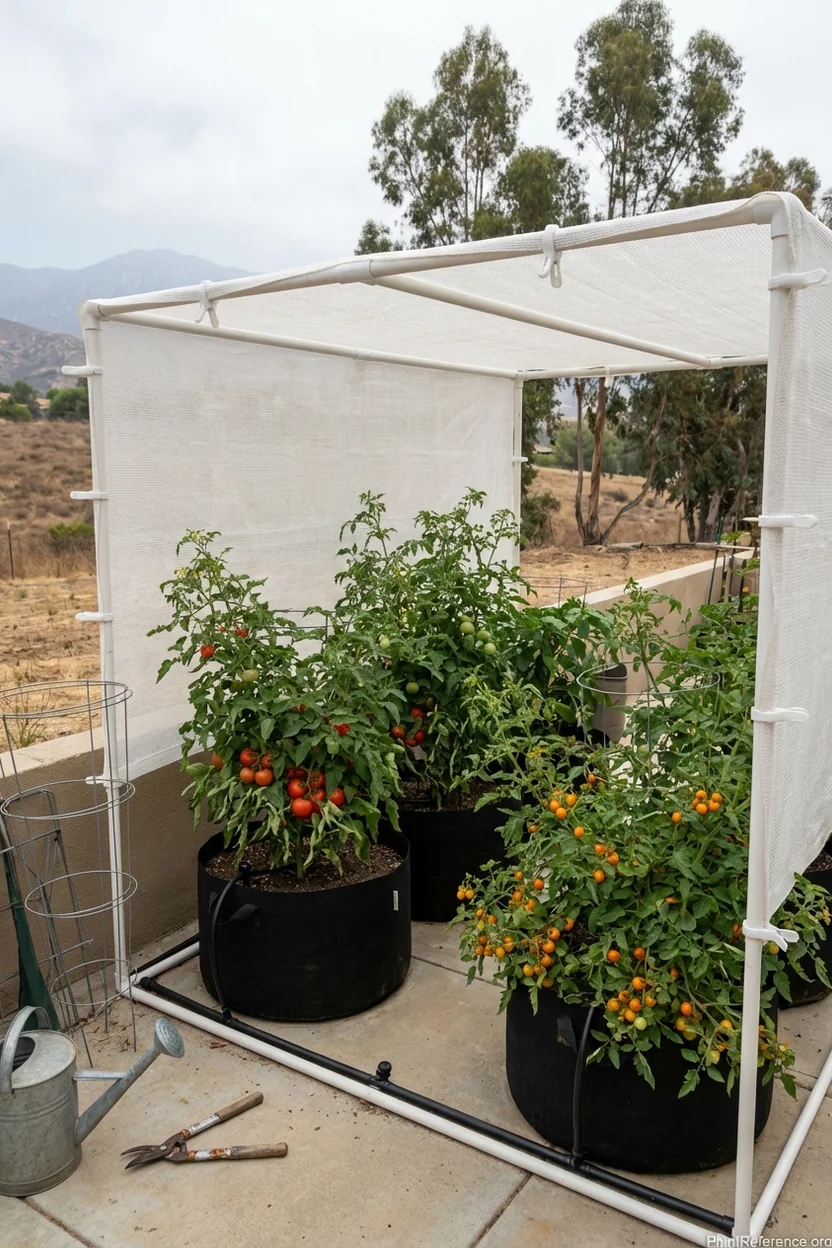
Heat Management: Coastal areas rarely need special heat protection, but inland San Diego (Escondido, Poway, El Cajon) benefits from 30% shade cloth during July and August when temperatures exceed 85°F (29°C).
Fall Planting Season (Secondary)
Seed Starting: Begin fall seeds July 15 - August 15 for transplanting in September and October.
Transplant Dates: September 1 - October 31 works well for fall planting. This timing allows plants to establish before cooler weather and produces harvests from November through March.
Recommended Varieties for Fall Planting:
🌿Solanum lycopersicum 'Brandywine' - transplant September 1-30
🌿Solanum lycopersicum 'Cherokee Purple' - transplant September 1-October 15
🌿Solanum lycopersicum 'San Marzano' - transplant September 15-October 31
Winter Growing Considerations
San Diego's mild winters allow continued tomato production, but growth slows significantly during December and January when daylight hours decrease to 10 hours and temperatures drop to 45-60°F (7-15°C).
Protection Strategies: Even in Zone 10b, occasional frost protection may be needed. Keep frost blankets handy for nights when temperatures drop below 35°F (2°C). Coastal areas rarely need protection, but inland valleys can experience frost 2-3 times per winter.
Complete Growing Guide for San Diego
Successfully growing tomatoes in San Diego requires understanding our unique climate patterns - marine layer influences, Santa Ana wind events, and the dramatic difference between coastal and inland microclimates.
Soil Preparation for San Diego Conditions
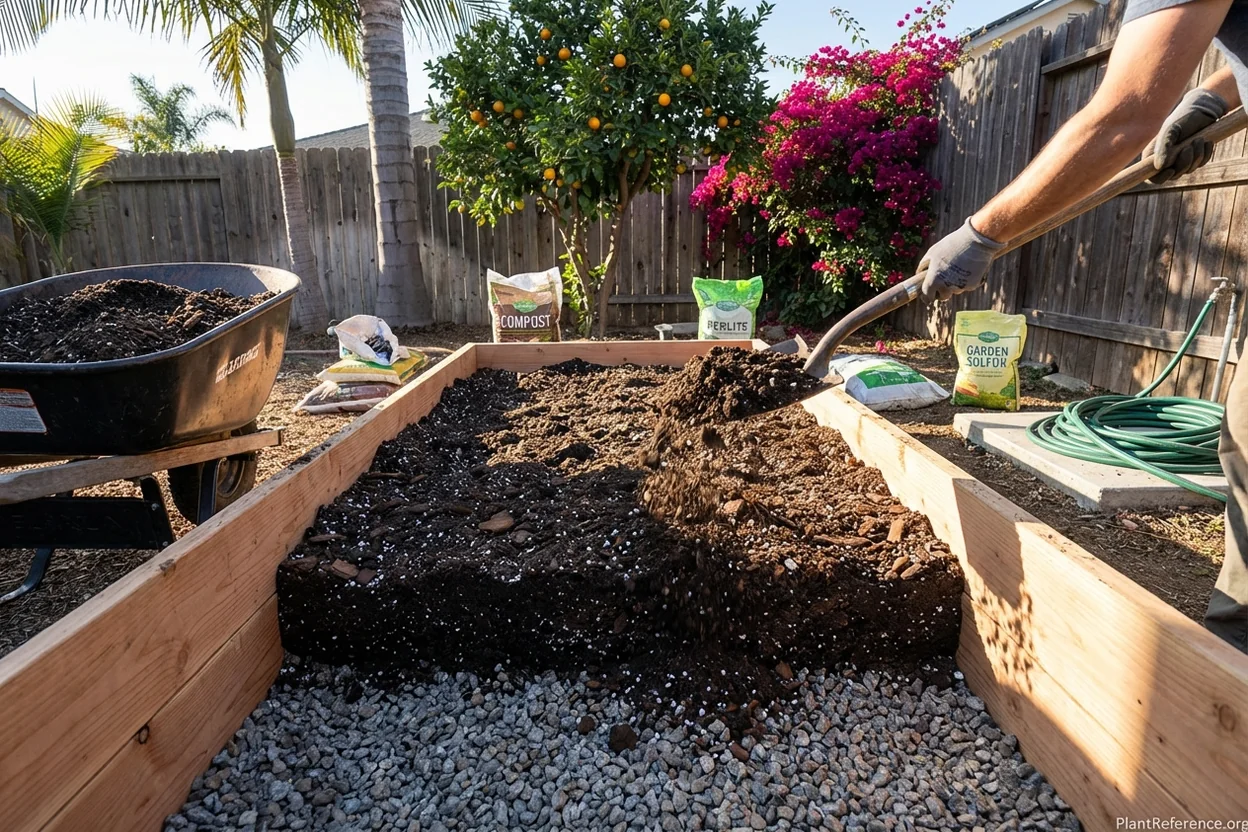
San Diego's native soils are typically clay-heavy with poor drainage, high pH (7.5-8.5), and low organic matter. Most tomatoes prefer slightly acidic conditions (pH 6.0-6.8), so soil amendment is crucial.
Soil Amendment Recipe for San Diego:
2 cubic feet compost per 4x4 foot area
1 cubic foot perlite for drainage
2 cups sulfur to lower pH (apply in fall for spring planting)
1 cup bone meal for phosphorus
Drainage is Critical: Our clay soils become waterlogged during winter rains, leading to root rot. Raised beds 8-12 inches (20-30cm) high solve this problem and allow better root development.
Irrigation Strategy for Mediterranean Climate
San Diego's Mediterranean climate means wet winters and dry summers - the opposite of most tomato-growing regions. This requires a flexible irrigation approach.
Winter Irrigation (November-March): Reduce watering significantly during rainy season. Our winter rains provide 8-12 inches (20-30cm) of water, often more than needed. Overwatering during this period promotes fungal diseases.
Summer Irrigation (April-October): Deep, infrequent watering works best. Apply 1-2 inches (2.5-5cm) weekly through drip irrigation or soaker hoses. Avoid overhead sprinklers which promote foliar diseases and waste water.
Water Quality Considerations: San Diego's municipal water is hard with high mineral content. This causes white buildup on leaves and can affect nutrient uptake. Consider installing a simple carbon filter for irrigation water, especially for container growing.
Fertilization Program
San Diego's long growing season requires a sustained nutrition program rather than the burst feeding approach used in short-season climates.
Base Fertilizer Program:
At Planting: Work 2 tablespoons slow-release fertilizer (14-14-14) into planting hole
Monthly Feeding: Apply 1 tablespoon per plant of balanced fertilizer (10-10-10)
Peak Season: Switch to lower nitrogen formula (5-10-10) during fruiting to prevent excessive leaf growth
Organic Alternative:
Compost: 2 inches (5cm) top-dress every 6 weeks
Fish Emulsion: Diluted feeding every 2 weeks during active growth
Kelp Meal: 1 tablespoon per plant monthly for trace minerals
Pruning and Training for Year-Round Production
San Diego's long season means tomato plants can become massive if left unpruned. Proper training is essential for manageable plants and quality fruit production.
Indeterminate Varieties: These keep growing until frost kills them. In San Diego, that means potentially 10 months of growth. Train to 2-3 main stems maximum to keep plants manageable.
Sucker Removal: Remove suckers (shoots growing between main stem and branches) weekly. In San Diego's warm climate, suckers grow rapidly and can overwhelm plants within 2-3 weeks.
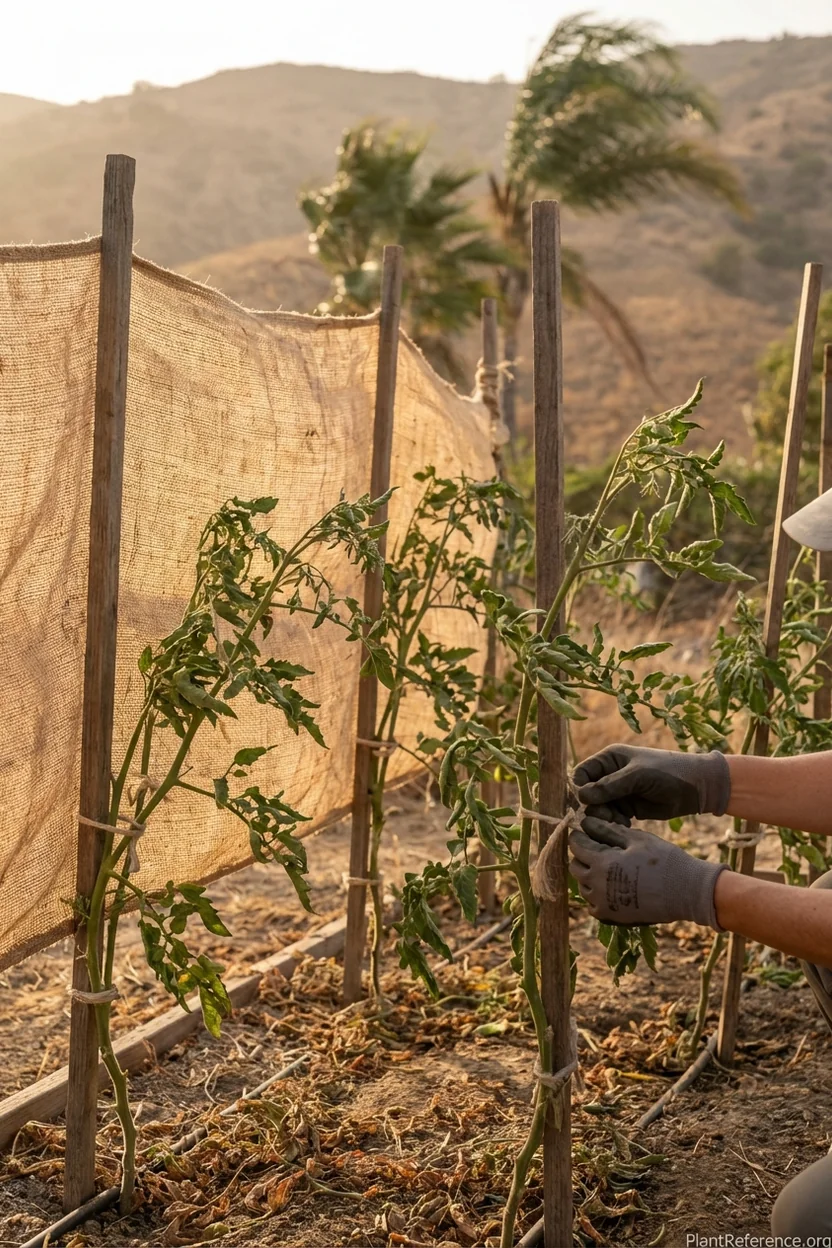
Support Systems: Use heavy-duty cages (6 feet/1.8m minimum) or stake-and-string systems. San Diego's occasional Santa Ana winds can topple unsupported plants loaded with fruit.
Managing Santa Ana Wind Events
Santa Ana winds are a unique San Diego challenge that can devastate tomato plants. These hot, dry winds typically occur October through March and can reach 70+ mph (112+ km/h) with single-digit humidity.
Wind Protection Strategies:
Install temporary windbreaks using shade cloth or burlap
Stake all plants securely with 8-foot (2.4m) stakes
Harvest ripe fruit before predicted wind events
Deep water plants 24 hours before winds arrive - well-hydrated plants suffer less damage
Troubleshooting San Diego-Specific Problems
Growing tomatoes in San Diego presents unique challenges you won't find in gardening books written for other climates. Here's how to identify and solve the most common problems.
Powdery Mildew from Marine Layer
The marine layer that keeps San Diego cool also creates perfect conditions for powdery mildew - that white, fuzzy coating on leaves. This fungal disease thrives in our cool, humid mornings followed by warm, dry afternoons.
Identification: White powdery coating starts on lower leaves, typically appearing first on 🌿Solanum lycopersicum 'Brandywine' and other susceptible varieties.
Prevention: Plant in locations with good morning sun to burn off marine layer moisture quickly. Avoid overhead watering which keeps foliage wet longer.
Treatment: Spray weekly with baking soda solution (1 teaspoon per quart water) or milk spray (1 part milk to 9 parts water). Apply in early morning before marine layer lifts.
Sunscald in Inland Areas
Intense UV radiation in inland San Diego can cause sunscald - white or yellow patches on fruit exposed to direct sunlight. This is especially problematic on 🌿Solanum lycopersicum 'San Marzano' and other paste varieties with sparse foliage.
Prevention: Don't prune too aggressively. Maintain adequate leaf cover over developing fruit. Use 30% shade cloth during peak summer (July-August) when UV index exceeds 8.
Immediate Solution: Harvest affected fruit immediately and use for cooking - sunscalded areas won't heal but won't spread either.
Blossom End Rot During Growth Spurts
San Diego's mild climate allows rapid growth spurts that can outpace calcium uptake, leading to blossom end rot - dark, sunken spots on the bottom of fruit.
Root Causes: Inconsistent watering during rapid growth phases, not actual calcium deficiency in soil.
Solution: Maintain consistent soil moisture through mulching and regular irrigation. Apply 2-4 inches (5-10cm) of organic mulch around plants to buffer moisture fluctuations.
Salt Buildup from Hard Water
San Diego's hard municipal water leaves white mineral deposits on leaves and can build up in soil over time, affecting plant health.
Symptoms: White crusty deposits on leaves, stunted growth despite adequate fertilization, leaves with brown edges.
Management: Flush container plants monthly with pure water. In raised beds, apply gypsum (calcium sulfate) annually to improve soil structure and reduce sodium buildup.
Aphid Explosions During Warm Spells
San Diego's warm winter weather allows aphid populations to explode on tender growth, especially problematic on 🌿Solanum lycopersicum 'Cherokee Purple' and other vigorous varieties.
Early Detection: Check undersides of young leaves weekly. Look for small, soft-bodied insects clustering on stem tips and new growth.
Control: Strong water spray dislodges most aphids. For severe infestations, apply insecticidal soap every 3-4 days until controlled. Encourage beneficial insects by planting alyssum, dill, and fennel nearby.
Harvest & Storage
San Diego's year-round growing season means you'll be harvesting tomatoes in every month except maybe December and January when plant growth slows dramatically.
Harvest Timing for Peak Flavor
Summer Harvest (May-September): Pick fruit at the "breaker" stage (first blush of color) during hot weather. Full vine-ripening in 90°F+ (32°C+) temperatures can cause internal breakdown and poor flavor.
Winter Harvest (October-March): Allow full vine ripening during cool weather. Lower temperatures actually concentrate sugars and improve flavor complexity, especially in heirloom varieties like 🌿Solanum lycopersicum 'Brandywine'.
Daily Harvest Schedule: Check plants daily during peak season (April-June and September-November). San Diego's temperature swings can cause rapid ripening followed by overripening within 24-48 hours.
Storage for Extended Season
Short-term Storage: Ripe tomatoes last 3-5 days at room temperature in San Diego's dry climate. Store stem-end down to prevent moisture loss through the scar.
Long-term Storage: Green tomatoes harvested before winter cold snaps can ripen indoors for 2-4 weeks. Store at 65-70°F (18-21°C) with good air circulation.
Preservation: San Diego's abundant harvest makes preservation worthwhile. 🌿Solanum lycopersicum 'San Marzano' is perfect for sauce-making, while 🌿Solanum lycopersicum 'Cherokee Purple' and 🌿Solanum lycopersicum 'Brandywine' excel for dehydrating due to their dense flesh and complex flavors.
Frequently Asked Questions
Reading about plants and recognising them are different skills. These three build the second.
- Daily PlantIdentify the day’s mystery plant from a close-up photograph.
- Keyed OutWork a dichotomous key, lead by lead, to name a hidden specimen.
- Name That PlantName a specimen from botanical clues dealt hardest first.
Free to play, no account needed
Emma runs a small succulent propagation business from her home in San Diego, shipping starter plants and cuttings across the country. She fell into succulents after college when she realized they were the only plants that survived her travel schedule—she was working as a travel nurse at the time. San Diego's mild, dry climate is ideal for outdoor succulent gardens, and Emma's front yard is a living catalog of over 200 varieties. She completed a certificate program in ornamental horticulture and writes about succulent care, propagation techniques, and drought-tolerant garden design. Her writing is calm and reassuring—she knows people feel bad about killing plants, and she wants them to stop worrying so much.