When to Plant Tomatoes in Salt Lake City: Complete Guide + Best Varieties for Zone 7a
Pets & Toxicity
Recorded toxicity for plants linked in this guide. An unknown status is not a safety assessment.
Toxic to pets: early girl tomato, Stupice tomato, cherokee purple tomato and 3 moreDetailsHide
Solanum lycopersicum 'Early Girl' — Toxicity Warning
Toxic to petsView Solanum lycopersicum 'Early Girl' plant profileSolanum lycopersicum 'Stupice' — Toxicity Warning
Toxic to petsView Solanum lycopersicum 'Stupice' plant profileSolanum lycopersicum 'Cherokee Purple' — Toxicity Warning
Toxic to petsView Solanum lycopersicum 'Cherokee Purple' plant profileSolanum lycopersicum 'San Marzano' — Toxicity Warning
Toxic to petsView Solanum lycopersicum 'San Marzano' plant profileSolanum lycopersicum 'Sungold' — Toxicity Warning
Toxic to petsView Solanum lycopersicum 'Sungold' plant profileSolanum lycopersicum 'Brandywine' — Toxicity Warning
Toxic to petsView Solanum lycopersicum 'Brandywine' plant profile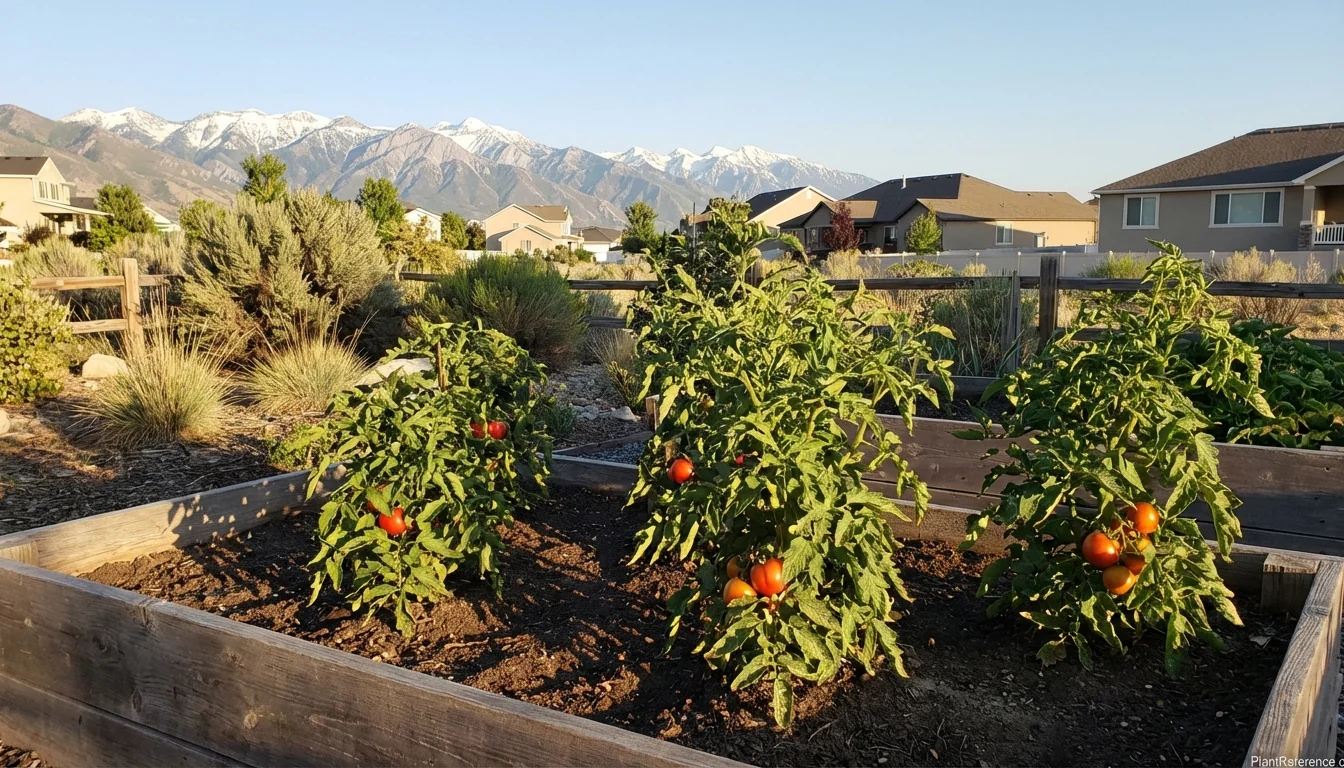
— Image © Plant Reference 2026
Salt Lake City's Zone 7a climate offers gardeners a generous 173-day growing season, but timing your tomato planting correctly makes the difference between a bumper harvest and disappointment. With the last frost typically occurring around April 24 and first frost arriving October 14, you have a substantial window—if you know how to work with the unique challenges of Utah's high desert environment.
I've been growing tomatoes for over forty years, and Salt Lake City presents some of the most interesting growing conditions I've encountered. The combination of intense high-altitude sun, dramatic temperature swings between day and night, and alkaline soil creates both opportunities and challenges. Get the timing right, and you'll harvest tomatoes well into October. Miss it, and you'll struggle with poor fruit set and stressed plants all season.
Best Tomato Varieties for Salt Lake City's Climate
Salt Lake City's high desert climate demands specific variety selection. At 4,226 feet elevation with intense UV radiation, dramatic temperature swings (often 30-40°F between day and night), and alkaline soil, not every tomato will thrive here. After decades of testing, these six varieties consistently outperform the rest in Utah conditions.
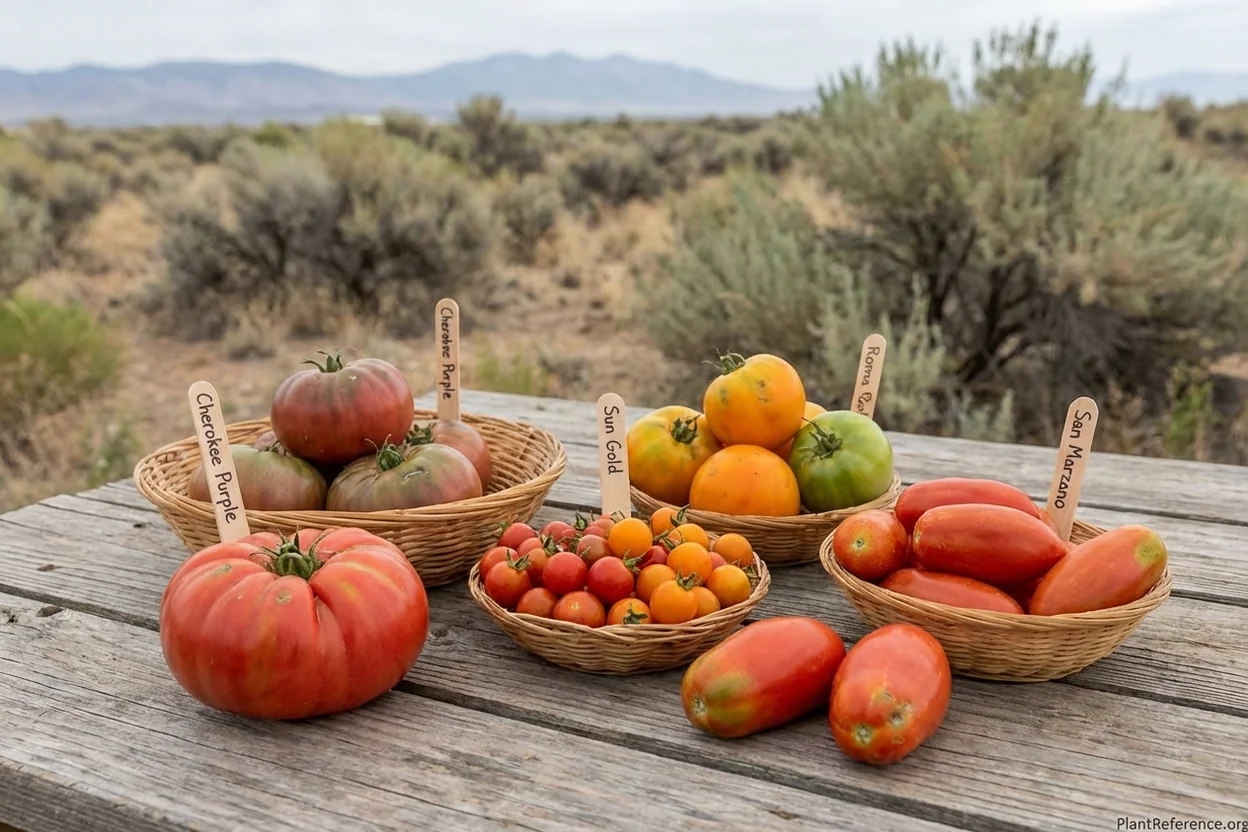
Variety | Days to Maturity | Best For | Notes for Salt Lake City |
|---|---|---|---|
50-62 days | Quick harvest, reliability | Exceptional tolerance to temperature swings; sets fruit in cool spring nights | |
52-60 days | Cold tolerance, early harvest | Czech variety bred for harsh conditions; handles late cold snaps | |
75-90 days | Flavor, heat tolerance | Originated in hot climate; performs well in intense summer sun | |
78-85 days | Canning, cooking | Requires consistent watering due to alkaline soil calcium issues | |
55-65 days | Fresh eating, productivity | High sugar content intensifies in low humidity conditions | |
80-100 days | Premium flavor | Challenging but possible with afternoon shade in hottest areas |
Top Performers for Salt Lake City:
🌿Solanum lycopersicum 'Early Girl' remains my number one recommendation for Salt Lake City gardeners. This F1 hybrid was specifically bred to set fruit in cool conditions—essential when your nighttime temperatures can drop into the 40s even in May. It shrugs off the temperature swings that shut down fruit production in other varieties.
🌿Solanum lycopersicum 'Stupice' comes from the Czech Republic, where harsh conditions mirror many aspects of Utah's climate. This variety continues setting fruit when others go dormant during hot spells, and it handles the occasional late cold snap that can surprise Salt Lake City gardeners in early May.
For heat tolerance, 🌿Solanum lycopersicum 'Cherokee Purple' excels. This heirloom originated in the hot, humid South but adapts remarkably well to Utah's dry heat. The intense UV radiation at altitude actually concentrates its complex flavors.
Special Considerations for Zone 7a:
Salt Lake City's alkaline soil (typically pH 7.5-8.5) affects nutrient availability, particularly iron and phosphorus. 🌿Solanum lycopersicum 'San Marzano' is notoriously susceptible to blossom end rot in these conditions, requiring extra attention to consistent watering and calcium management.
The high desert's low humidity intensifies flavors in cherry varieties like 🌿Solanum lycopersicum 'Sungold'. What might taste merely sweet in humid climates becomes intensely sweet-tart here, with sugar levels often exceeding 10 Brix.
Specific Planting Dates for Salt Lake City
Salt Lake City's Zone 7a designation with an average last frost of April 24 provides clear guidelines, but the reality is more nuanced. The city sits in a valley surrounded by mountains, creating microclimates that can vary by several degrees and weeks.
Critical Planting Timeline:
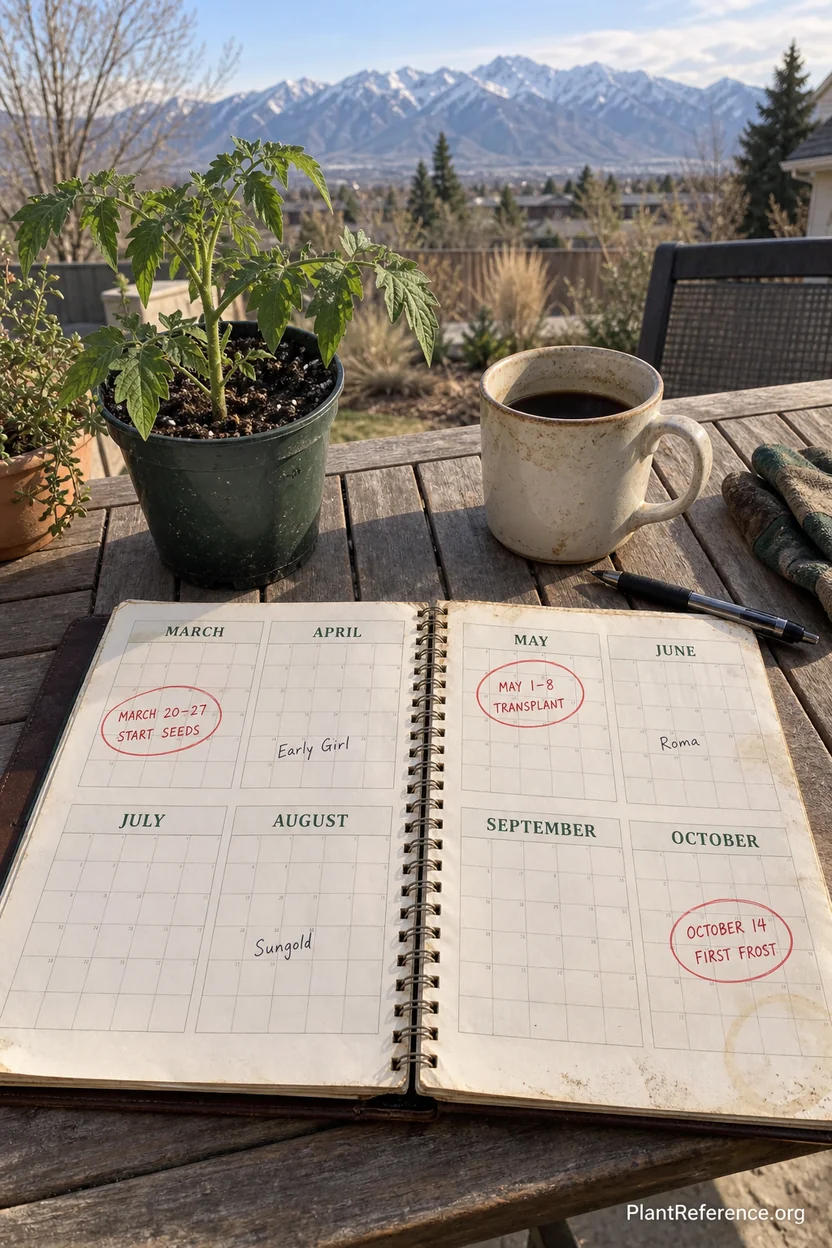
Indoor Seed Starting: March 20-27 (6-7 weeks before transplant date)
Transplant Outdoors: May 1-8 (7-14 days after last frost for safety)
Direct Sowing: Not recommended—season too short for reliable direct seeding
Last Planting Date: June 15 (allows 120 days before first frost October 14)
Why May 1-8 is Optimal:
While April 24 is the average last frost, waiting until May 1-8 provides insurance against late cold snaps that can devastate young plants. Salt Lake City's elevation and valley geography create temperature inversions where cold air settles, sometimes dropping temperatures unexpectedly into late April.
Microclimate Considerations:
Benches and Foothills: Plant 7-10 days earlier due to better cold air drainage
Valley Floor: Stick to May 1-8 dates—cold air pools here
Areas Near Great Salt Lake: May experience later frost due to lake effect—wait until May 8-15
Season Extension Opportunities:
Salt Lake City's long, warm fall allows extended harvesting. First frost typically doesn't arrive until October 14, giving you nearly six months of growing season. Late-season varieties like 🌿Solanum lycopersicum 'Brandywine' can mature if planted by early June.
Hardening Off Protocol:
Utah's intense UV radiation requires gradual acclimation. Begin hardening seedlings April 25-May 1, starting with just one hour of morning sun and increasing daily. The high altitude sun can burn tender seedlings in minutes if they're not properly conditioned.
Complete Growing Guide for Salt Lake City
Growing exceptional tomatoes in Salt Lake City requires understanding three key environmental factors: intense UV radiation, dramatic temperature swings, and alkaline soil. Master these, and you'll grow tomatoes that rival those from any climate.
Soil Preparation for Alkaline Conditions:
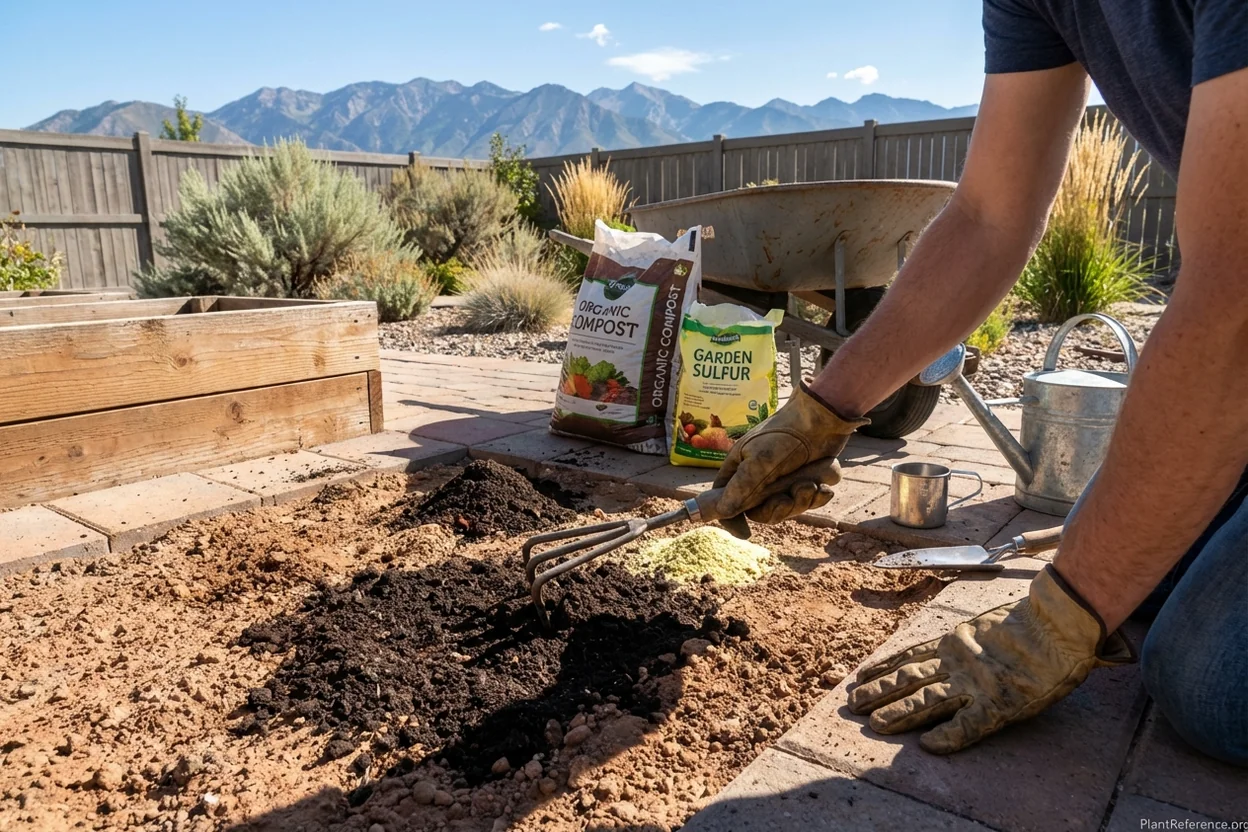
Salt Lake City's native soil is highly alkaline (pH 7.5-8.5), which locks up essential nutrients like iron, phosphorus, and manganese. I always amend with sulfur in fall to gradually lower pH to 6.0-6.8 over the winter months.
Add 2-4 inches of compost annually—this is non-negotiable in desert soils. The organic matter improves water retention and provides slow-release nutrients. Avoid fresh manure, which can burn plants in the intense sun and contribute excess salts to already mineral-rich soil.
Water Management in High Desert Conditions:
Utah's low humidity (often 10-20%) and intense sun create rapid moisture loss. Tomatoes need consistent soil moisture—never waterlogged, never bone dry. I use drip irrigation with a timer, applying water slowly and deeply rather than frequent shallow watering.
Mulch is absolutely critical here. Apply 3-4 inches of organic mulch around plants, keeping it 2 inches from stems. This conserves moisture, moderates soil temperature, and prevents the alkaline soil from splashing onto leaves, which can cause chlorosis.
Water requirements increase significantly during fruit development. A mature indeterminate plant may need 2-3 gallons per week during peak production in July and August.
Managing Temperature Extremes:
Salt Lake City's 30-40°F daily temperature swings stress plants. Morning temperatures in the 50s followed by afternoon temperatures in the 90s can shut down fruit set and cause blossom drop.
Use thermal mass to moderate these swings. Place water-filled containers (dark-colored barrels work well) near plants to absorb heat during the day and release it at night. This creates a more stable microclimate.
Supporting Systems for High Winds:
The Wasatch Front experiences strong winds, particularly in spring. Use heavy-duty cages or stake systems rated for wind. I prefer 6-foot tall cages made from concrete reinforcing wire—they're practically indestructible and provide excellent support for indeterminate varieties.
Fertilization Strategy:
The alkaline soil affects nutrient availability. Use acidifying fertilizers and watch for iron chlorosis (yellowing leaves with green veins), especially on 🌿Solanum lycopersicum 'Brandywine' and other heavy feeders.
Feed regularly with balanced, slightly acidic fertilizer (like those formulated for acid-loving plants). Supplement with liquid iron chelate if yellowing occurs. Avoid high-phosphorus fertilizers—alkaline soils often contain adequate phosphorus that's simply locked up by high pH.
Troubleshooting Salt Lake City-Specific Problems
Growing tomatoes in Salt Lake City presents unique challenges that don't occur in more moderate climates. After four decades of experience here, I've learned to anticipate and prevent these common issues.
Blossom End Rot (Critical Issue):
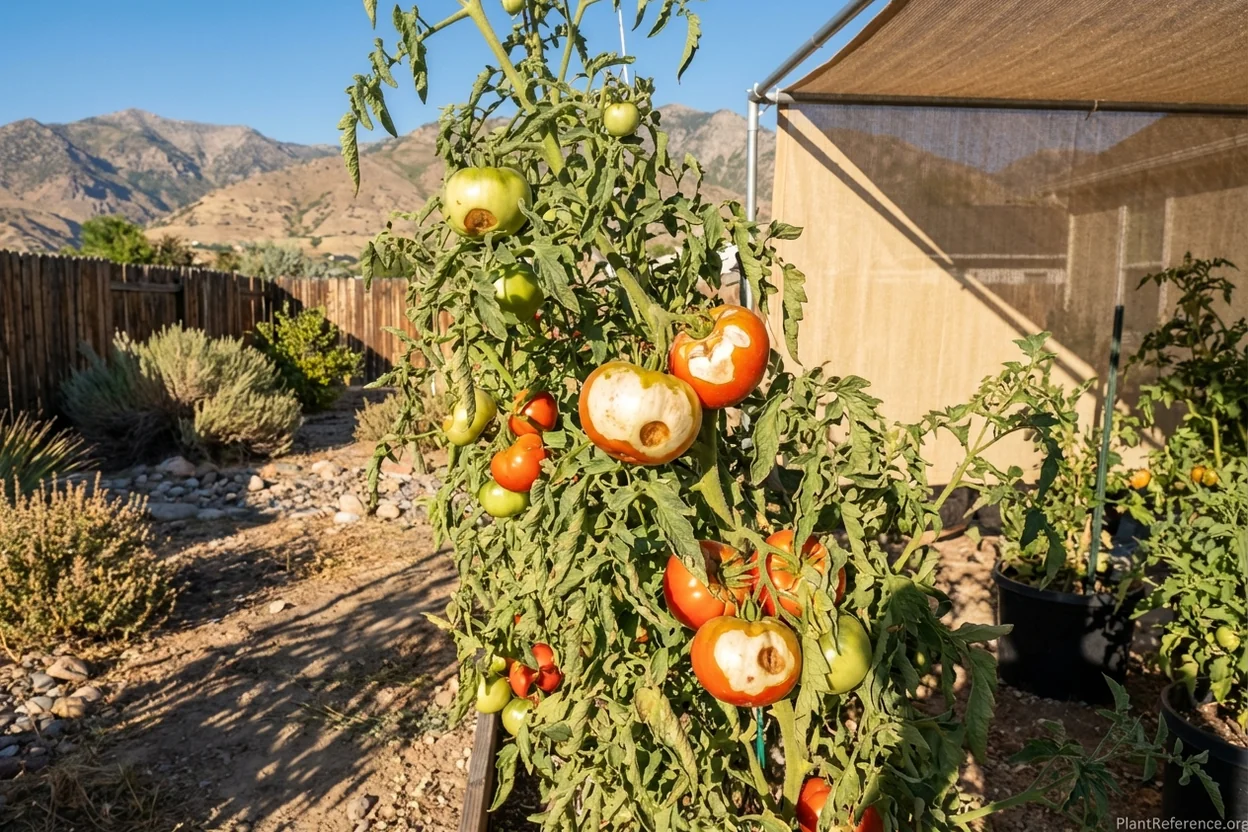
This physiological disorder appears as dark, sunken spots on the bottom of tomatoes and is extremely common in Salt Lake City due to alkaline soil interfering with calcium uptake. 🌿Solanum lycopersicum 'San Marzano' is particularly susceptible.
The problem isn't calcium deficiency—it's calcium transport disruption caused by inconsistent watering in alkaline conditions. Maintain consistent soil moisture and avoid cultivation near plants once fruit begins forming, as root damage disrupts calcium uptake.
Sunscald on Fruit:
Utah's intense UV radiation at 4,226 feet elevation can literally burn tomatoes, creating white or yellow patches that become tough and inedible. This is especially problematic when heavy pruning exposes fruit to direct sun.
Maintain adequate foliage cover over developing fruit. In the hottest locations, consider 30% shade cloth during the most intense part of summer (July-August). 🌿Solanum lycopersicum 'Cherokee Purple' shows better tolerance to high UV than other large-fruited varieties.
Iron Chlorosis (Yellowing):
The most visible symptom of alkaline soil problems, iron chlorosis shows as bright yellow leaves with green veins. It's particularly common on 🌿Solanum lycopersicum 'Brandywine' and other heirloom varieties that are heavy iron feeders.
Apply iron chelate according to label directions—liquid forms work faster than granular. Long-term, continue adding sulfur and organic matter to gradually lower soil pH. Avoid planting in low-lying areas where salts accumulate.
Cracking and Splitting:
The dramatic humidity changes during thunderstorms can cause rapid fruit expansion and splitting, especially on thin-skinned varieties like 🌿Solanum lycopersicum 'Sungold'. The fruit literally can't expand fast enough to accommodate the sudden water uptake.
Harvest 🌿Solanum lycopersicum 'Sungold' at the first blush of color rather than fully ripe during monsoon season (typically late July through August). Consistent mulching helps moderate these moisture swings.
Temperature Shock:
Late spring cold snaps can shut down recently transplanted tomatoes, causing purple foliage and stunted growth. Even if plants survive, this shock often delays harvest by 2-3 weeks.
Use season extension tools liberally in May: Wall O' Water, cloches, or row covers. It's better to delay planting a few days than to risk temperature shock that affects the entire season.
Wind Damage:
Spring windstorms can destroy poorly supported plants overnight. Salt Lake City's geography channels winds through the valley with surprising force.
Install support systems at planting time, not after plants are established. Heavy-duty tomato cages or sturdy stake systems prevent both wind damage and the need to work around mature plants later.
Harvest & Storage
Salt Lake City's long, warm autumn extends tomato harvests well into October, often providing some of the best fruit of the season as temperatures moderate and sugar concentrates in the fruit.
Optimal Harvest Timing:
Begin harvesting when tomatoes show first color change (the "breaker" stage) for varieties prone to splitting like 🌿Solanum lycopersicum 'Sungold'. The intense UV radiation and low humidity continue ripening indoors while preventing weather-related damage.
For heirlooms like 🌿Solanum lycopersicum 'Cherokee Purple' and 🌿Solanum lycopersicum 'Brandywine', allow full ripening on the vine when possible. Utah's dry climate reduces disease pressure, making vine-ripening safer than in humid regions.
Pre-Frost Harvest Strategy:
Monitor weather forecasts closely starting in late September. Salt Lake City's first frost typically occurs October 14, but elevation and microclimate affect this significantly.
When frost threatens, harvest all mature green tomatoes. Utah's low humidity creates excellent conditions for ripening indoors—arrange green tomatoes in single layers in a cool, dark location. They'll continue ripening for 3-6 weeks.
Long-Term Storage:
The dry climate allows excellent preservation options. Paste varieties like 🌿Solanum lycopersicum 'San Marzano' dehydrate beautifully in Utah's low humidity—no dehydrator needed, just screen trays in a warm, dry location.
For fresh storage, wrap individual green tomatoes in newspaper and store at 55-60°F. Check weekly and remove any showing signs of decay. This method can extend fresh tomatoes into December in Utah's stable autumn weather.
Seed Saving Advantages:
Salt Lake City's climate offers excellent seed saving conditions. The low humidity prevents mold during fermentation, and the intense sun thoroughly dries seeds. Open-pollinated varieties like 🌿Solanum lycopersicum 'Cherokee Purple', 🌿Solanum lycopersicum 'Brandywine', and 🌿Solanum lycopersicum 'Stupice' adapt to local conditions over multiple seasons when you save your own seed.
Frequently Asked Questions
Reading about plants and recognising them are different skills. These three build the second.
- Daily PlantIdentify the day’s mystery plant from a close-up photograph.
- Keyed OutWork a dichotomous key, lead by lead, to name a hidden specimen.
- Name That PlantName a specimen from botanical clues dealt hardest first.
Free to play, no account needed
Yuki is a landscape designer in Salt Lake City who specializes in water-wise gardens that work with Utah's dry climate and alkaline soil. She moved to Utah from Portland, Oregon—a rude awakening for someone used to gardening in rich, acidic soil with reliable rainfall. That transition taught her to rethink everything she knew about plant selection and garden design. Yuki now focuses on intermountain-adapted plantings that combine ornamental grasses, drought-tolerant perennials, and carefully chosen shrubs for year-round interest. She works with homeowners looking to reduce water use without giving up on having an attractive garden. Yuki writes with the clarity of someone who had to learn a new climate from scratch.