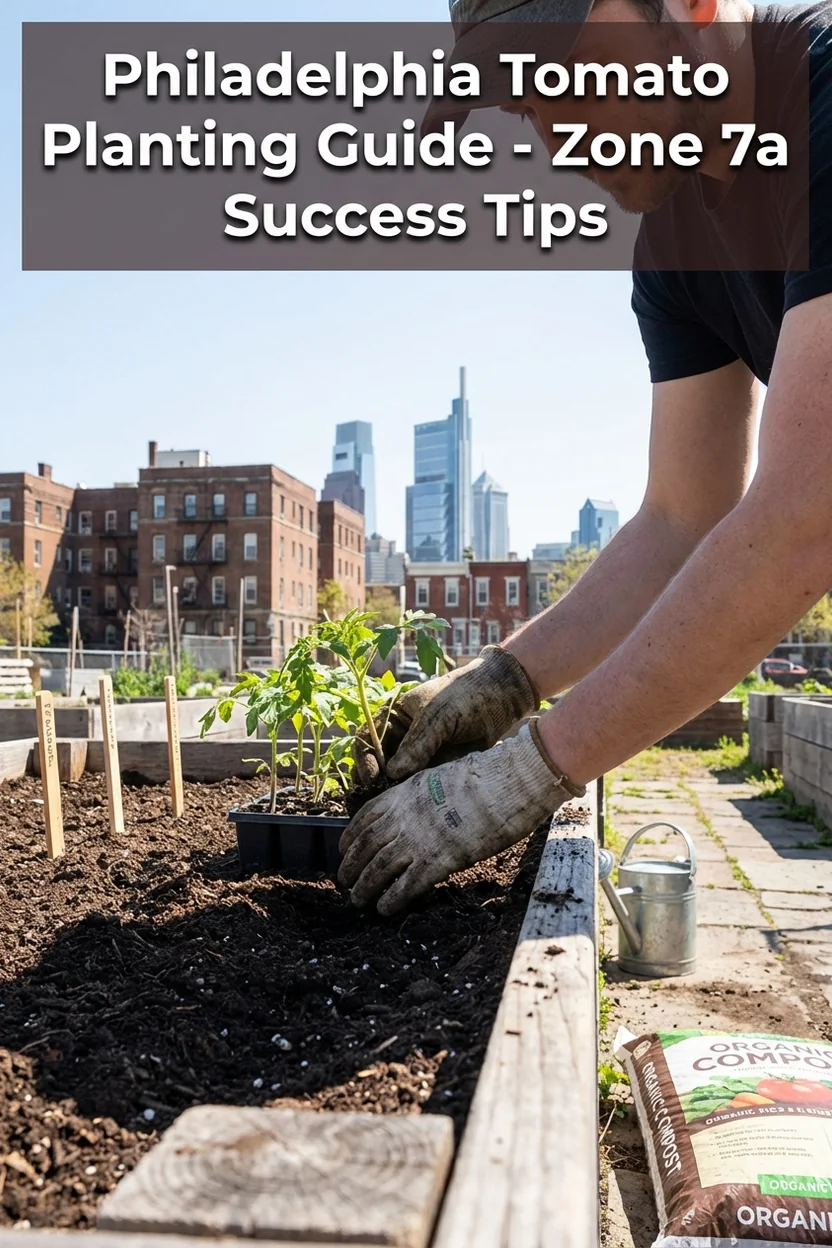
When to Plant Tomatoes in Philadelphia: Complete Guide + Best Varieties for Zone 7a
Pets & Toxicity
Recorded toxicity for plants linked in this guide. An unknown status is not a safety assessment.
Toxic to pets: early girl tomato, cherokee purple tomato, Sungold cherry tomato and 3 moreDetailsHide
Solanum lycopersicum 'Early Girl' — Toxicity Warning
Toxic to petsView Solanum lycopersicum 'Early Girl' plant profileSolanum lycopersicum 'Cherokee Purple' — Toxicity Warning
Toxic to petsView Solanum lycopersicum 'Cherokee Purple' plant profileSolanum lycopersicum 'Sungold' — Toxicity Warning
Toxic to petsView Solanum lycopersicum 'Sungold' plant profileSolanum lycopersicum 'Stupice' — Toxicity Warning
Toxic to petsView Solanum lycopersicum 'Stupice' plant profileSolanum lycopersicum 'San Marzano' — Toxicity Warning
Toxic to petsView Solanum lycopersicum 'San Marzano' plant profileSolanum lycopersicum 'Brandywine' — Toxicity Warning
Toxic to petsView Solanum lycopersicum 'Brandywine' plant profile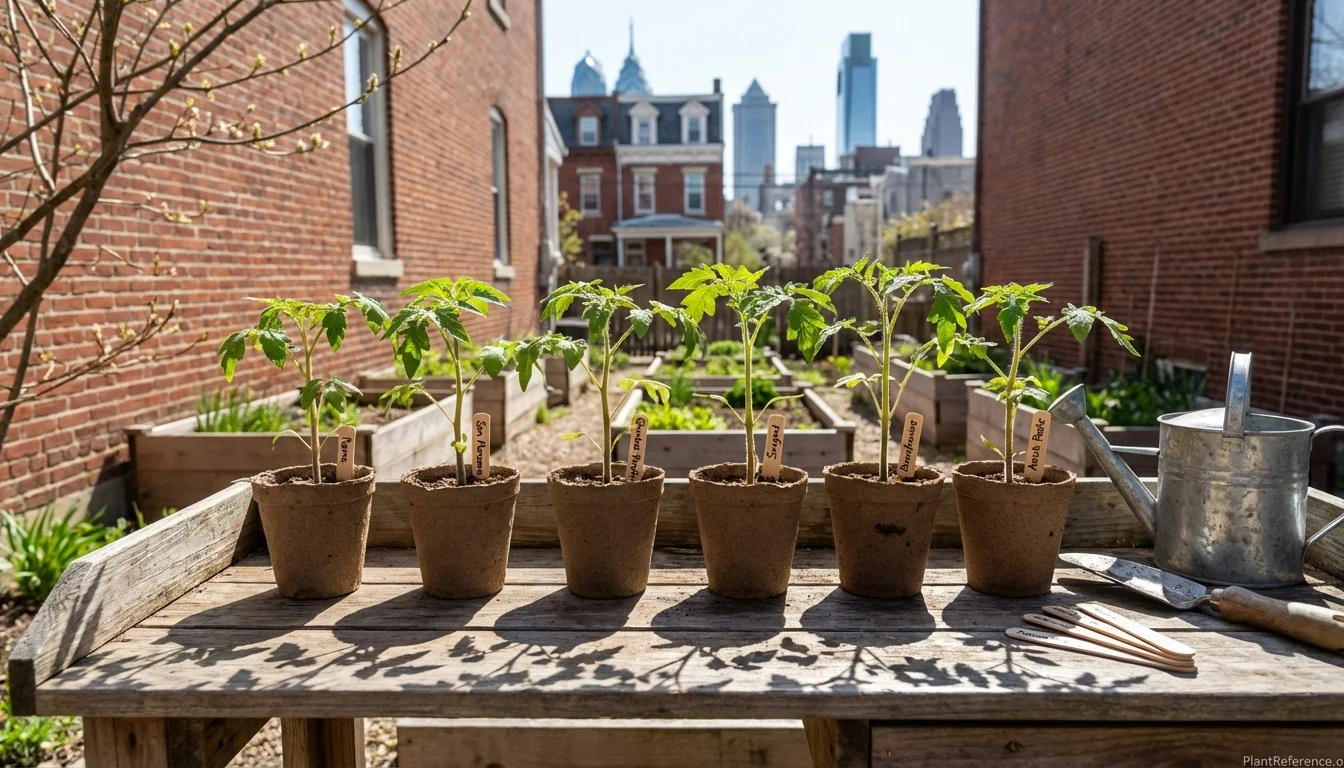
— Image © Plant Reference 2026
Philadelphia gardeners have a tremendous advantage when it comes to growing tomatoes. The city's Zone 7a classification provides a generous 209-day frost-free growing season, allowing both early and late-season varieties to reach full maturity. With proper timing and variety selection, you can harvest fresh tomatoes from July through the first frost in early November.
Best Tomato Varieties for Philadelphia's Zone 7a Climate
Philadelphia's mid-Atlantic location brings unique growing conditions: humid summers, moderate heat, and the potential for late blight due to moisture. The key to success lies in selecting varieties with disease resistance and heat tolerance while capitalizing on the extended growing season.
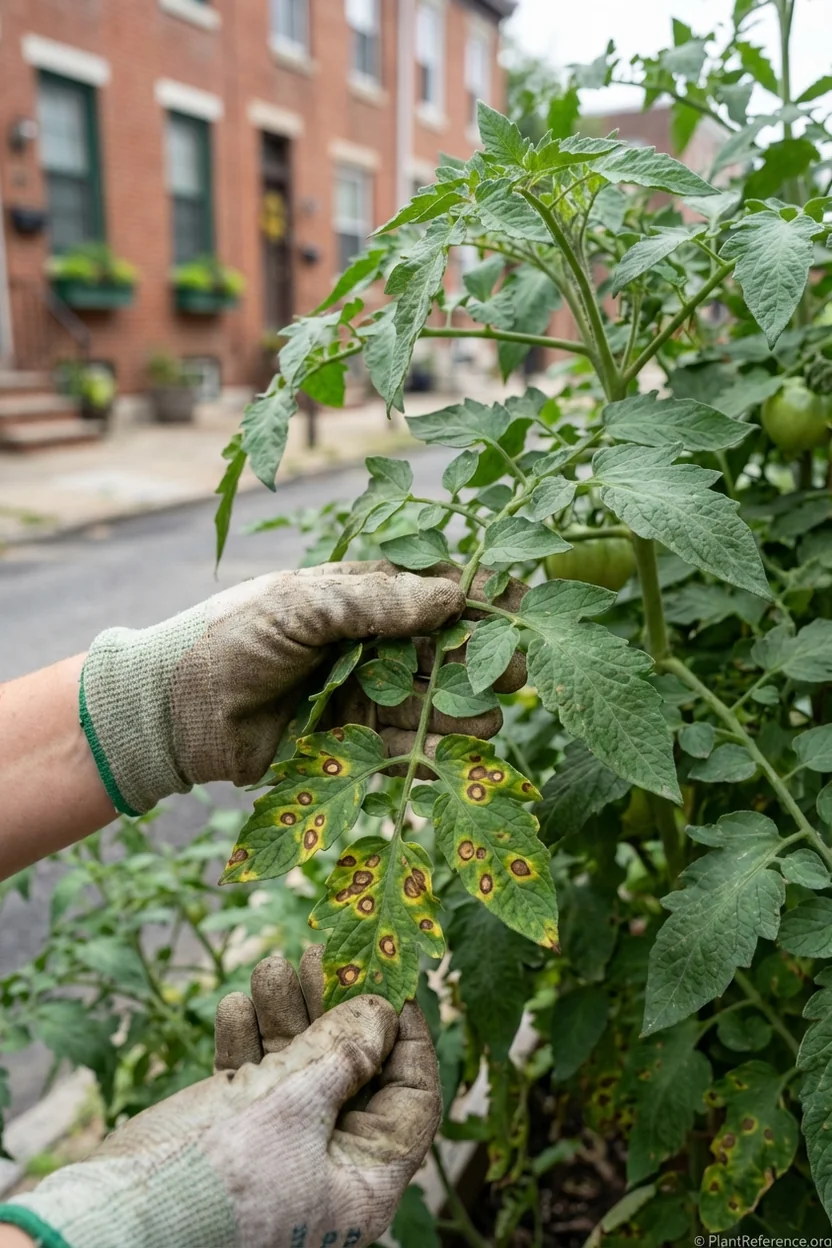
The city's climate combines the best and worst of eastern growing conditions. Summer humidity levels often exceed 70%, creating ideal conditions for fungal diseases like early blight and septoria leaf spot. However, Philadelphia's moderate summer temperatures (averaging 75-85°F) rarely reach the extreme heat that causes blossom drop in southern regions.
Variety | Days to Maturity | Best For | Notes for Philadelphia |
|---|---|---|---|
50-62 days | Quick harvest | Perfect for avoiding late-season disease pressure | |
52-60 days | Cool tolerance | Excellent for early spring planting | |
55-65 days | Cherry production | High yields, TMV resistance crucial for humid conditions | |
75-90 days | Flavor excellence | Shows good humidity tolerance compared to other heirlooms | |
78-85 days | Paste/sauce making | Requires consistent moisture to prevent BER | |
80-100 days | Premium flavor | High risk but exceptional rewards in Philadelphia's long season |
Early-Season Champions for Philadelphia
🌿Solanum lycopersicum 'Early Girl' stands out as the most reliable choice for Philadelphia gardeners. This F1 hybrid carries VFF resistance (Verticillium and Fusarium wilt), which is crucial given Philadelphia's history of soil-borne diseases in urban gardens. More importantly, it sets fruit at lower temperatures than most varieties, allowing you to plant earlier and harvest before peak disease pressure in August.
🌿Solanum lycopersicum 'Stupice' offers another early option with exceptional cold tolerance. This Czech heirloom can handle Philadelphia's unpredictable spring weather, including late cold snaps that might damage other varieties. Its potato-leaf foliage provides better disease resistance than traditional leaves, making it ideal for humid conditions.
Heat-Tolerant Varieties for Summer Success
Philadelphia's summer heat, while moderate compared to southern regions, can still stress tomato plants. 🌿Solanum lycopersicum 'Cherokee Purple' has proven remarkably well-adapted to mid-Atlantic humidity. Unlike other large heirlooms, it maintains good fruit set through July's heat and humidity.
🌿Solanum lycopersicum 'Sungold' thrives in Philadelphia's conditions, but its thin skin makes it prone to splitting during summer thunderstorms. Harvest these cherry tomatoes daily during rainy periods to prevent loss.
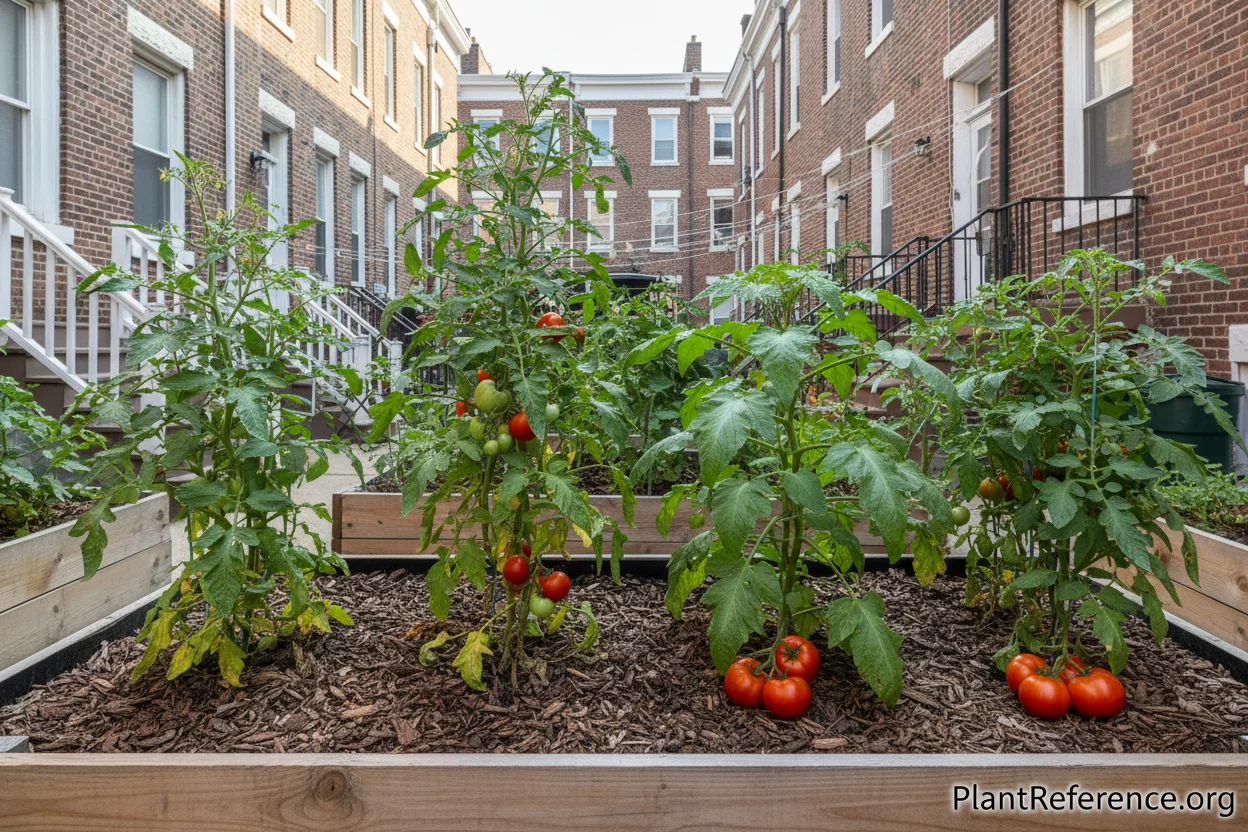
Specific Planting Dates for Philadelphia
Philadelphia's average last frost date of April 9 provides the foundation for all planting calculations. However, successful tomato growing requires understanding the difference between the last frost date and safe transplant timing.
Indoor Seed Starting Timeline
Start seeds indoors February 15-22 for transplanting in mid to late April. Philadelphia's variable spring weather makes indoor starting essential—outdoor direct seeding rarely succeeds due to cool soil temperatures and unpredictable late frosts.
Seeds germinate best at 75-85°F, requiring heating mats in February when indoor temperatures may be insufficient. Germination typically occurs within 7-10 days under optimal conditions.
Transplant Timing Strategy
Safe transplant window: April 16-23
While Philadelphia's average last frost is April 9, transplanting immediately after this date carries significant risk. Late frosts can occur through April 20 in some years, and more importantly, soil temperatures remain below 60°F well into April.
Tomato roots cease growth when soil temperatures drop below 50°F, and plants show stress symptoms when nighttime air temperatures fall below 45°F consistently. Waiting until April 16-23 ensures both soil and air temperatures support healthy establishment.
Extended Season Opportunities
Philadelphia's 209-day growing season allows for succession planting and fall crops. Plant a second round of early varieties (Early Girl, Stupice) in late June for fall harvest. These plants often produce better quality fruit than summer-stressed plants, as they mature during September's ideal growing conditions.
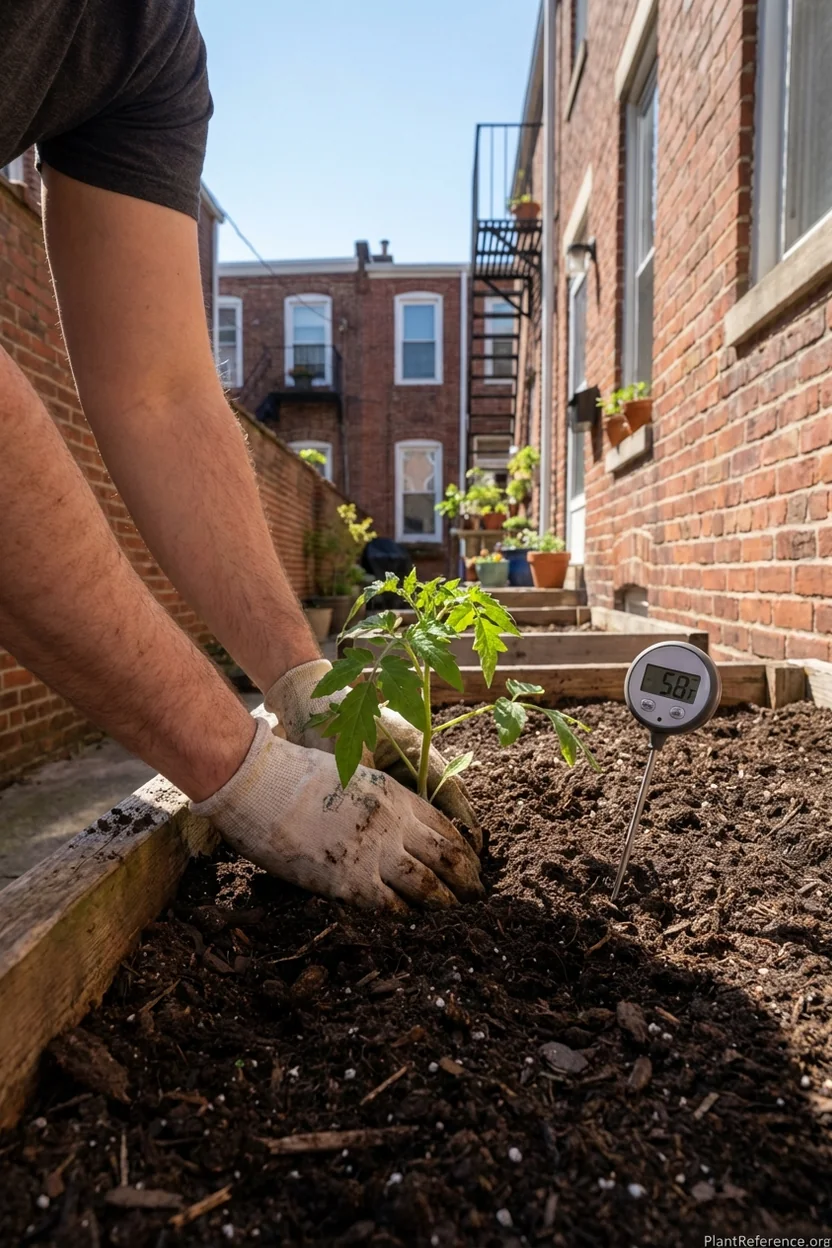
Complete Growing Guide for Philadelphia
Philadelphia's urban environment presents unique challenges and opportunities for tomato cultivation. Heat island effects, air pollution, and soil contamination require specific management strategies, while the extended season and moderate climate offer exceptional growing potential.
Soil Preparation for Urban Philadelphia Gardens
Many Philadelphia gardens deal with contaminated urban soils, particularly in areas with industrial history. Lead contamination is common in soils near pre-1978 housing. For tomato production, raised beds with imported soil provide the safest approach.
Create raised beds 12-18 inches deep filled with a mixture of 40% compost, 30% high-quality topsoil, and 30% coarse sand or perlite. Philadelphia's clay soils drain poorly, making excellent drainage crucial for preventing root diseases.
Soil pH should target 6.0-6.8 for optimal nutrient uptake. Philadelphia's urban soils often trend alkaline due to concrete and mortar leaching, requiring sulfur amendments to lower pH.
Water Management in Philadelphia's Climate
Philadelphia receives approximately 41 inches of annual rainfall, but distribution varies dramatically. Summer months often feature intense thunderstorms followed by drought periods, creating challenging conditions for consistent tomato production.
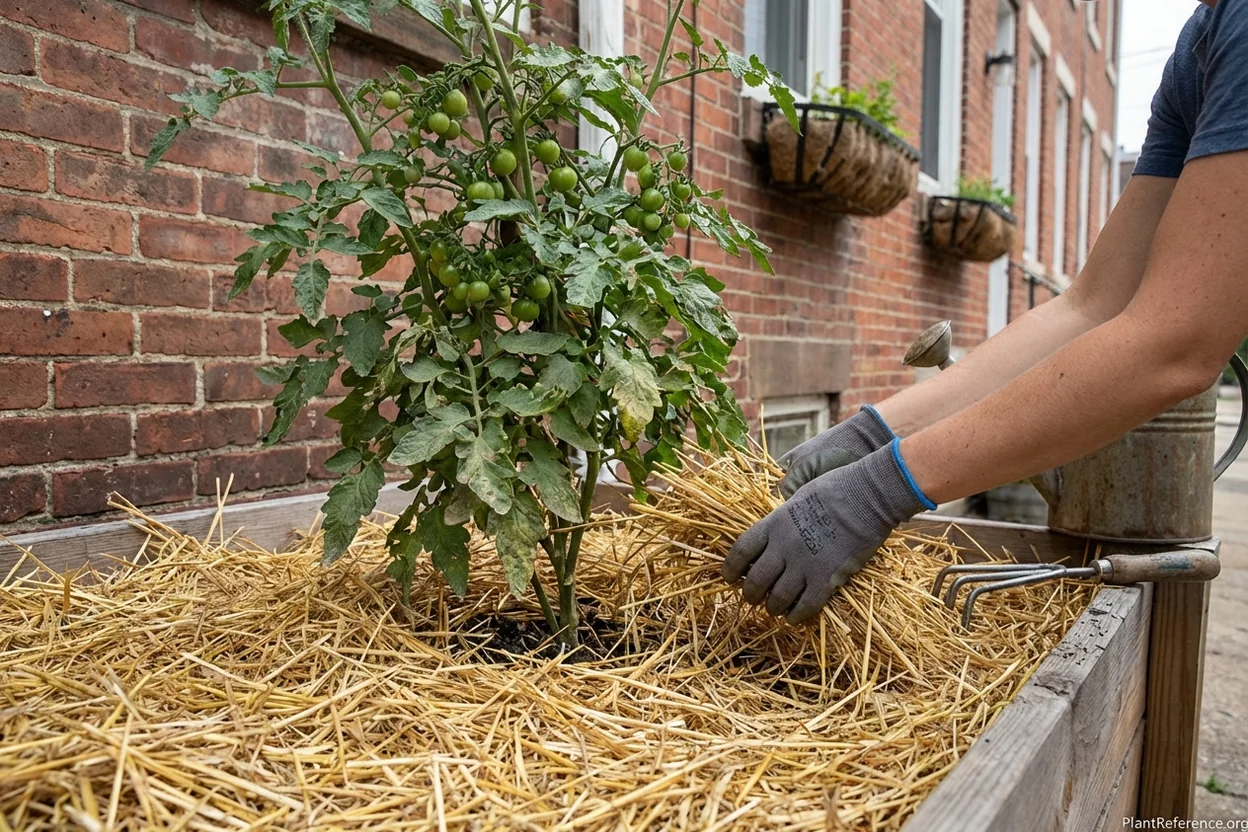
Install drip irrigation or soaker hoses to maintain consistent soil moisture. Mulch heavily with 3-4 inches of organic material (straw, shredded leaves, or grass clippings) to moderate soil temperature and retain moisture.
During Philadelphia's typical summer rainfall pattern, monitor for overwatering signs. Yellow lower leaves and wilting despite moist soil indicate root stress from poor drainage or overwatering.
Disease Prevention Strategies
Philadelphia's humid summers create ideal conditions for tomato diseases. Early blight typically appears in July, while late blight becomes problematic during August's humid conditions.
Preventive fungicide applications using copper-based products or biological fungicides should begin in early July, before symptoms appear. Apply every 14 days during periods of high humidity (>70% for 48+ hours).
Prune lower branches to improve airflow and prevent soil splash onto leaves. Remove branches up to 12 inches from ground level once plants are established and producing fruit.
Space plants 36 inches apart minimum to improve air circulation
Water at soil level only, never on foliage
Remove infected plant debris immediately
Rotate tomato family crops every 3-4 years in same location
Choose resistant varieties when possible (VFN resistance codes)
Fertilization Program for Philadelphia
Philadelphia's urban soils often lack organic matter and may have nutrient imbalances. Begin with a soil test through Penn State Extension to identify specific deficiencies.
Pre-plant fertilization should include 2-3 inches of compost worked into the top 8 inches of soil. At transplant time, apply a balanced fertilizer (10-10-10) at 2 pounds per 100 square feet.
Switch to higher potassium fertilization once fruit set begins. Philadelphia's humid conditions can promote excessive vegetative growth at the expense of fruit production. A 5-10-10 fertilizer applied every 4 weeks supports fruit development without encouraging too much foliage.
Troubleshooting Philadelphia-Specific Problems
Philadelphia tomato growers face several recurring challenges related to the urban environment and mid-Atlantic climate. Understanding these issues and their solutions prevents crop loss and frustration.
Heat Stress During Urban Heat Islands
Philadelphia's urban heat island effect can raise temperatures 5-10°F above surrounding areas. Downtown and heavily paved neighborhoods experience the most extreme conditions, potentially causing blossom drop even in heat-tolerant varieties.
Provide afternoon shade during July and August heat waves. Use 30% shade cloth or plant taller crops (beans, sunflowers) on the west side of tomato plots. Morning sun is crucial for fruit development, but afternoon protection prevents stress.
Air Quality and Pollution Effects
Philadelphia's air quality, while improved from historical levels, still affects plant health. Ozone pollution during summer smog events causes stippling and bronzing of tomato leaves, reducing photosynthesis efficiency.
Rinse foliage weekly with clean water to remove particulate matter and reduce pollution stress. Do this early morning or evening to prevent leaf burn from water droplets acting as magnifying glasses.
Soil Compaction in Urban Settings
Heavy foot traffic and construction equipment in urban Philadelphia creates severely compacted soils that restrict root development and drainage. Compacted soil contributes to root diseases and poor plant establishment.
Conduct a simple penetration test by pushing a screwdriver into soil. If it requires significant pressure to penetrate 6 inches, compaction is limiting root growth. Add 3-4 inches of coarse compost and avoid walking on planted areas.
Late Blight Pressure from Regional Humidity
Philadelphia's location in the humid mid-Atlantic corridor creates ideal conditions for late blight, especially during cool, wet periods in late summer. This fungal disease can destroy entire crops within days once established.
Monitor weather forecasts for late blight warning conditions: temperatures 60-78°F with high humidity for 48+ hours. During these periods, apply preventive fungicides and improve air circulation around plants. Remove any infected plants immediately and dispose in household trash, never compost.
Harvest & Storage
Philadelphia's extended growing season allows for harvest from mid-July through the first frost in early November. Understanding proper harvest timing and storage techniques maximizes your tomato yield and quality.
Optimal Harvest Timing in Philadelphia
Begin harvesting when fruits show the first blush of color. Philadelphia's humid summer conditions can cause splitting and disease issues in fully ripe fruit left on plants. Tomatoes picked at the "breaker" stage (showing first color change) ripen perfectly indoors while avoiding weather-related damage.
Cherry varieties like 🌿Solanum lycopersicum 'Sungold' require daily harvest during peak production and rainy periods. Their thin skin splits readily in Philadelphia's sudden summer thunderstorms.
Storage Methods for Extended Season
Philadelphia's long season often produces more tomatoes than can be consumed fresh. Green tomatoes harvested before the first frost continue ripening indoors for 2-4 weeks when stored at 65-70°F.
For long-term storage, choose processing varieties like 🌿Solanum lycopersicum 'San Marzano' for canning and sauce making. These paste tomatoes have lower moisture content and hold their shape better during thermal processing.
Freeze whole cherry tomatoes for winter use in soups and stews. 🌿Solanum lycopersicum 'Sungold' maintains excellent flavor when frozen whole, though texture becomes soft upon thawing.
Frequently Asked Questions
Reading about plants and recognising them are different skills. These three build the second.
- Daily PlantIdentify the day’s mystery plant from a close-up photograph.
- Keyed OutWork a dichotomous key, lead by lead, to name a hidden specimen.
- Name That PlantName a specimen from botanical clues dealt hardest first.
Free to play, no account needed
Frank retired from the city parks department after 28 years, the last fifteen as a grounds supervisor overseeing park plantings and maintenance crews. He now spends his time volunteering at a local historic garden, maintaining his own half-acre property in the Roxborough neighborhood, and writing about landscape maintenance, seasonal timing, and the practical side of keeping plants healthy through Mid-Atlantic winters and humid summers. Frank knows what works at scale and what's a waste of time—he's planted thousands of trees and shrubs and watched plenty of them fail. His advice tends toward what's proven and durable rather than what's trendy.