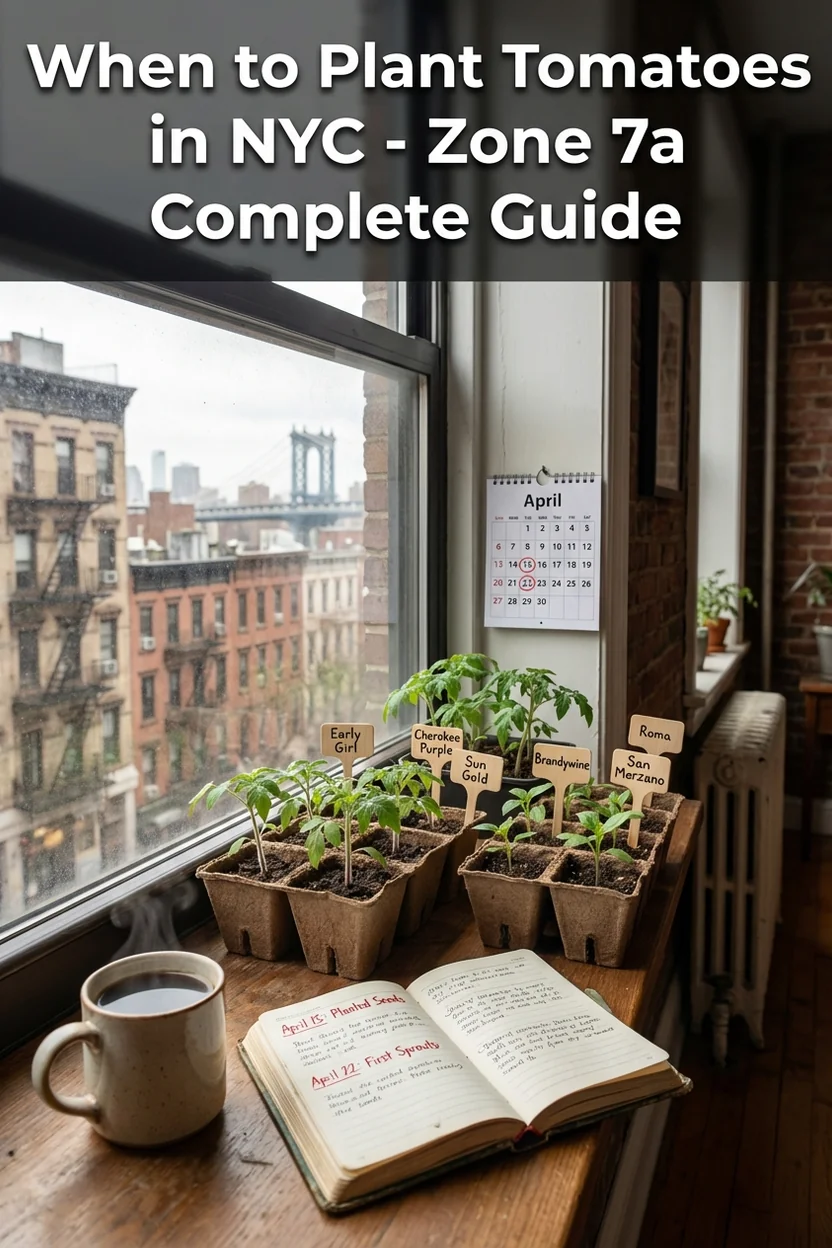
When to Plant Tomatoes in New York: Complete Guide + Best Varieties for Zone 7a
Pets & Toxicity
Recorded toxicity for plants linked in this guide. An unknown status is not a safety assessment.
Toxic to pets: early girl tomato, Sungold cherry tomato, Stupice tomato and 3 moreDetailsHide
Solanum lycopersicum 'Early Girl' — Toxicity Warning
Toxic to petsView Solanum lycopersicum 'Early Girl' plant profileSolanum lycopersicum 'Sungold' — Toxicity Warning
Toxic to petsView Solanum lycopersicum 'Sungold' plant profileSolanum lycopersicum 'Stupice' — Toxicity Warning
Toxic to petsView Solanum lycopersicum 'Stupice' plant profileSolanum lycopersicum 'Cherokee Purple' — Toxicity Warning
Toxic to petsView Solanum lycopersicum 'Cherokee Purple' plant profileSolanum lycopersicum 'San Marzano' — Toxicity Warning
Toxic to petsView Solanum lycopersicum 'San Marzano' plant profileSolanum lycopersicum 'Brandywine' — Toxicity Warning
Toxic to petsView Solanum lycopersicum 'Brandywine' plant profile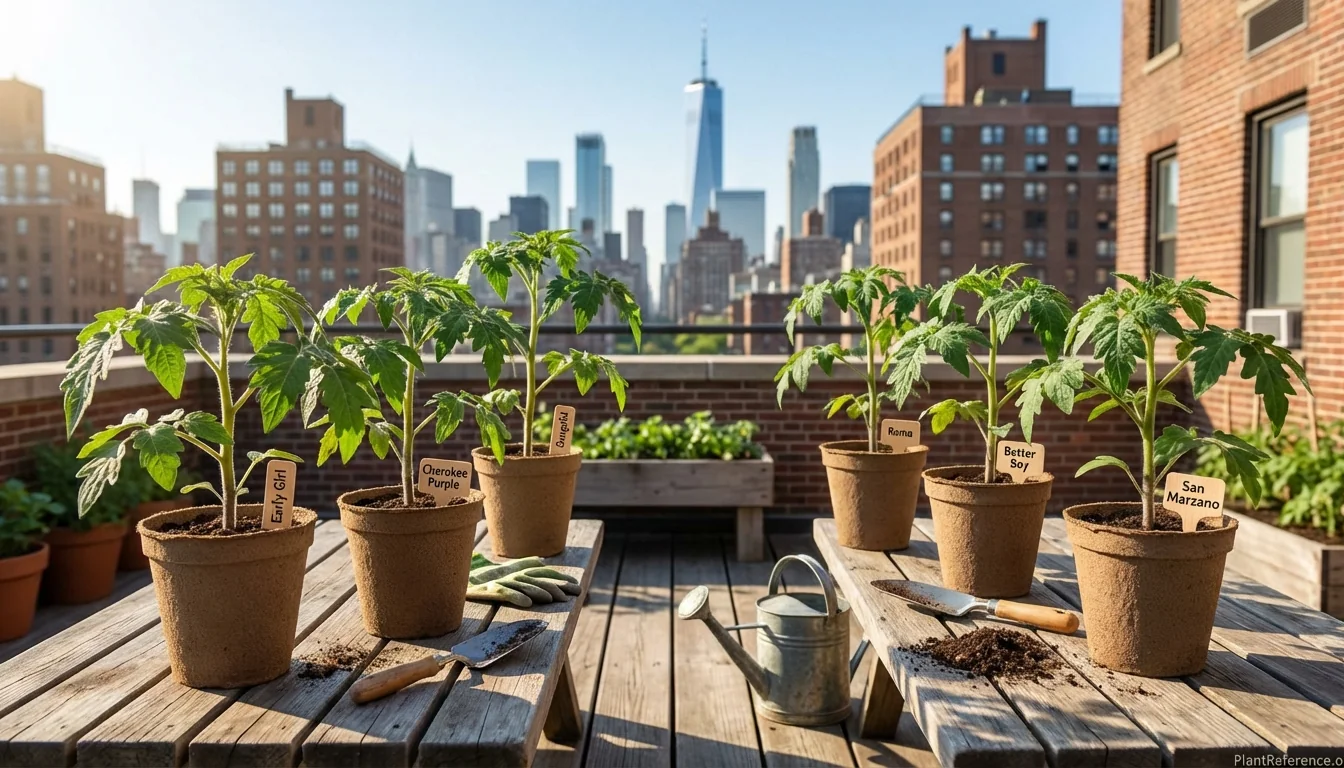
— Image © Plant Reference 2026
Growing tomatoes in New York City and the greater New York area presents unique opportunities and challenges. With a generous 200-day growing season in USDA Zone 7a, New York gardeners can successfully cultivate both early and late-season varieties. However, the humid summers, urban heat island effects, and late blight pressure require strategic planning and variety selection.
New York's maritime-influenced climate creates ideal conditions for tomato cultivation, but success depends on understanding the microclimates within the region. Manhattan's urban heat island can extend the growing season by 2-3 weeks compared to upstate areas, while Long Island's coastal influence moderates temperature extremes. The key to success lies in selecting varieties adapted to humid conditions and timing your plantings to avoid both late spring frosts and the peak late blight season.
Best Tomato Varieties for New York's Climate
New York's Zone 7a climate with its 200-day growing season allows for extensive variety selection, but humidity and disease pressure make some cultivars significantly more successful than others. The following varieties have proven themselves in New York's challenging conditions.
Variety | Days to Maturity | Best For | Notes for New York |
|---|---|---|---|
50-62 days | Reliable early harvest | Excellent late blight tolerance; sets fruit in cool springs | |
55-65 days | Sweet cherry tomatoes | Vigorous producer; harvest before splitting in summer rains | |
52-60 days | Cold tolerance | Czech variety; continues producing through cool falls | |
75-90 days | Exceptional flavor | Heirloom beefsteak; requires staking and disease management | |
78-85 days | Sauce production | Italian paste variety; excellent for canning | |
80-100 days | Premium beefsteak | Challenging but rewarding; needs consistent care |
Early Season Champions
🌿Solanum lycopersicum 'Early Girl' stands out as the most reliable variety for New York gardeners. This F1 hybrid was specifically bred to set fruit in cool conditions, making it perfect for New York's sometimes unpredictable springs. Its VFF disease resistance package provides protection against Verticillium and Fusarium wilts, common in New York's humid soils.
🌿Solanum lycopersicum 'Stupice' offers another excellent early option. This Czech heirloom continues producing through New York's cool autumn nights, often yielding fruit well into October when other varieties have stopped setting.
Heat and Humidity Performers
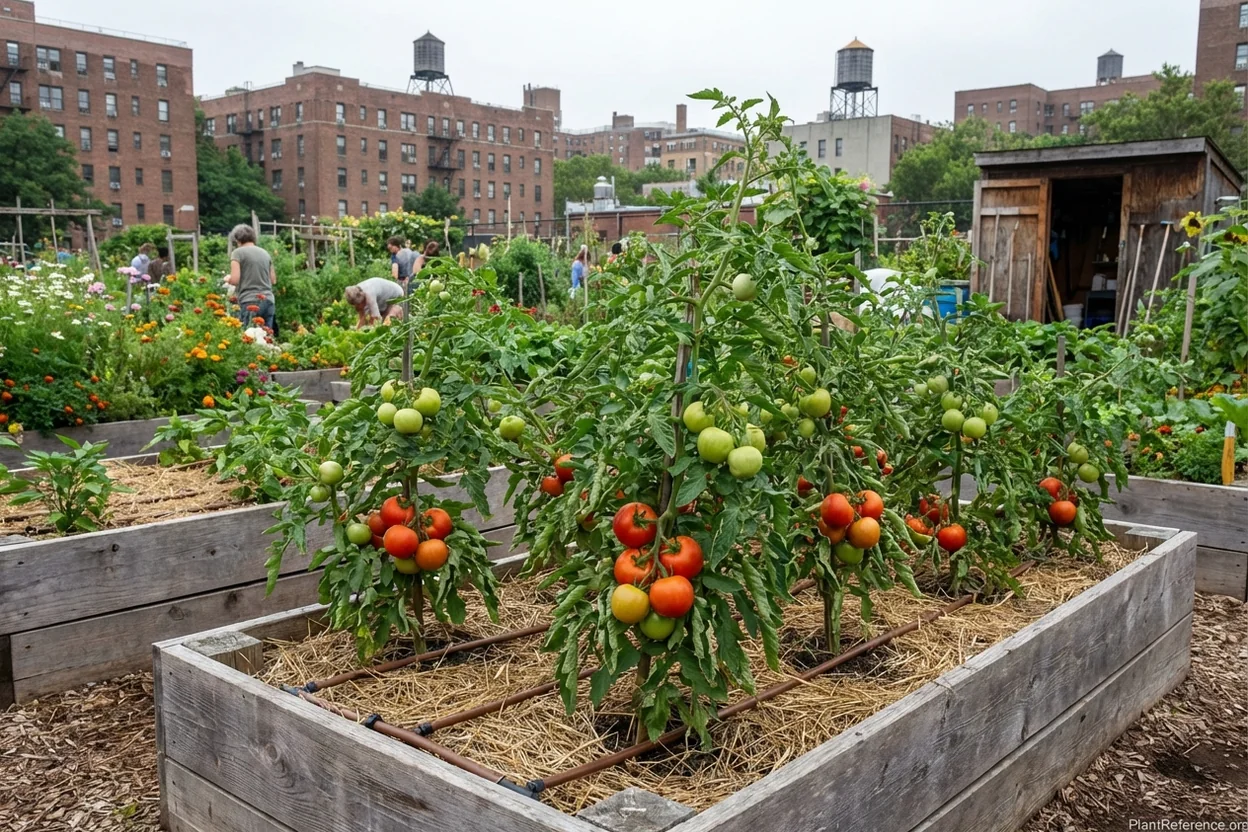
🌿Solanum lycopersicum 'Sungold' cherry tomatoes provide exceptional performance in New York's humid summers. Their high sugar content and TMV resistance make them ideal for urban gardens where virus pressure can be intense. However, their thin skins require daily harvesting during August's humid heat to prevent splitting.
Heirloom Excellence
🌿Solanum lycopersicum 'Cherokee Purple' represents the pinnacle of flavor for New York tomato enthusiasts. This Tennessee heirloom shows surprising tolerance to New York's humidity compared to other large-fruited varieties. However, it requires aggressive pruning and copper fungicide applications to manage late blight pressure.
Specific Planting Dates for New York
New York's Zone 7a climate with an average last frost date of April 14 allows for strategic timing that maximizes harvest while avoiding disease pressure peaks.
Indoor Seed Starting Timeline
March 1-15: Optimal seed starting window - Start seeds 6-8 weeks before transplant date - Maintain soil temperature at 75-80°F using heat mats - Provide 14-16 hours of grow light daily - Target transplant date: April 28-May 8
Variety-Specific Timing: - 🌿Solanum lycopersicum 'Early Girl' and 🌿Solanum lycopersicum 'Stupice': March 1-8 - 🌿Solanum lycopersicum 'Sungold': March 5-12 - 🌿Solanum lycopersicum 'Cherokee Purple' and 🌿Solanum lycopersicum 'Brandywine': March 8-15 - 🌿Solanum lycopersicum 'San Marzano': March 10-15
Transplant Windows
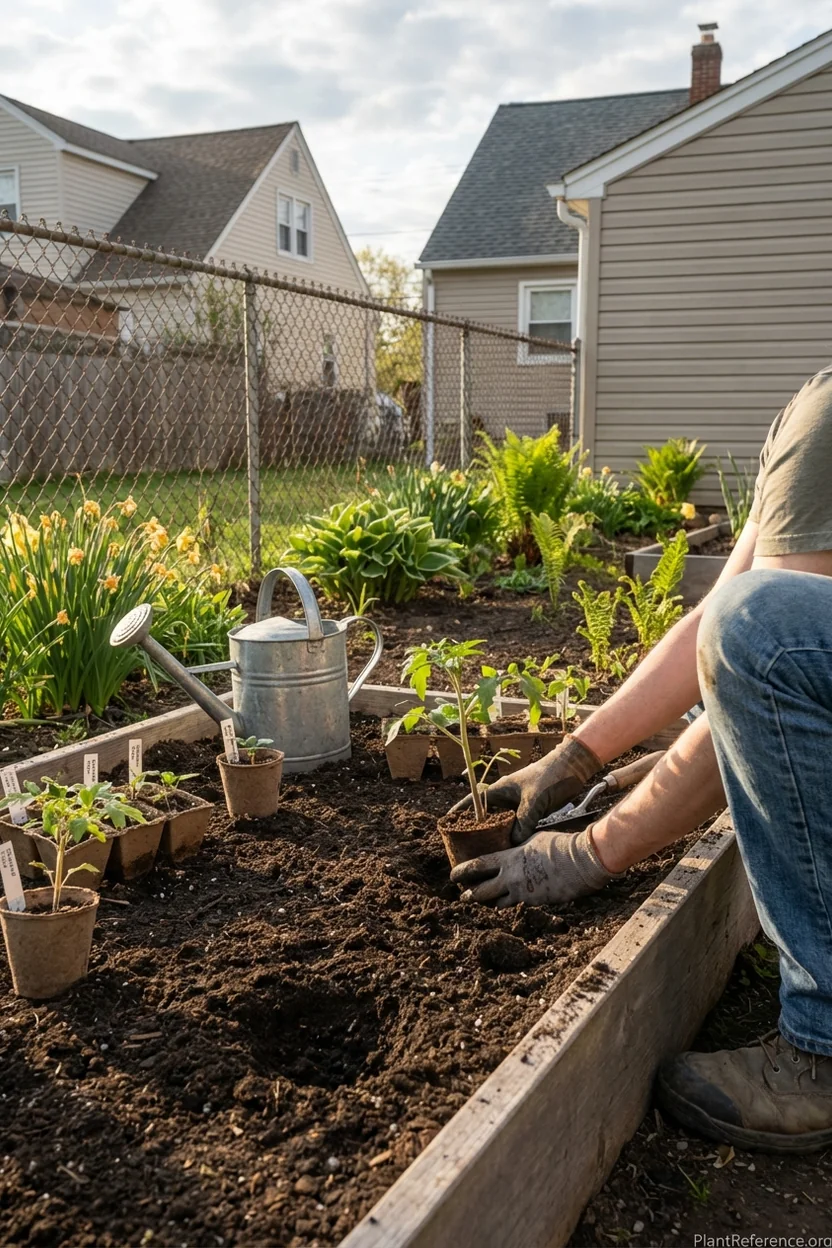
Primary transplant window: April 28-May 8 This timing provides a 14-day safety buffer after New York's average last frost of April 14. Soil temperatures typically reach the critical 55-60°F threshold during this period.
Conservative approach: May 8-15 For valuable heirloom varieties like 🌿Solanum lycopersicum 'Brandywine', waiting until soil temperatures consistently exceed 60°F ensures strong establishment.
Critical Temperature Considerations
New York's microclimate variations significantly affect planting success:
Manhattan (Urban Heat Island): Transplant as early as April 25 Outer Boroughs: Standard window of April 28-May 5 Westchester/Long Island: Conservative approach May 5-12 Upstate (Zone 6b areas): Wait until May 10-15
Fall Considerations
New York's first frost typically occurs October 31, providing a long harvest window. However, late blight pressure peaks in August-September during humid periods, making early varieties crucial for reliable harvests.
Complete Growing Guide for New York
Success with tomatoes in New York requires understanding the unique challenges of humid summers, urban growing conditions, and disease pressure cycles.
Soil Preparation for New York Conditions
New York's heavy clay soils in many areas require significant amendment for tomato success. The region's frequent summer rainfall can create waterlogged conditions that promote root rot and fungal diseases.
Essential soil modifications: - Add 2-3 inches (5-7 cm) of compost annually - Incorporate coarse perlite or sand to improve drainage - Target soil pH of 6.0-6.8 for optimal nutrient uptake - Install raised beds in areas with clay soil or poor drainage
Spacing and Support Systems
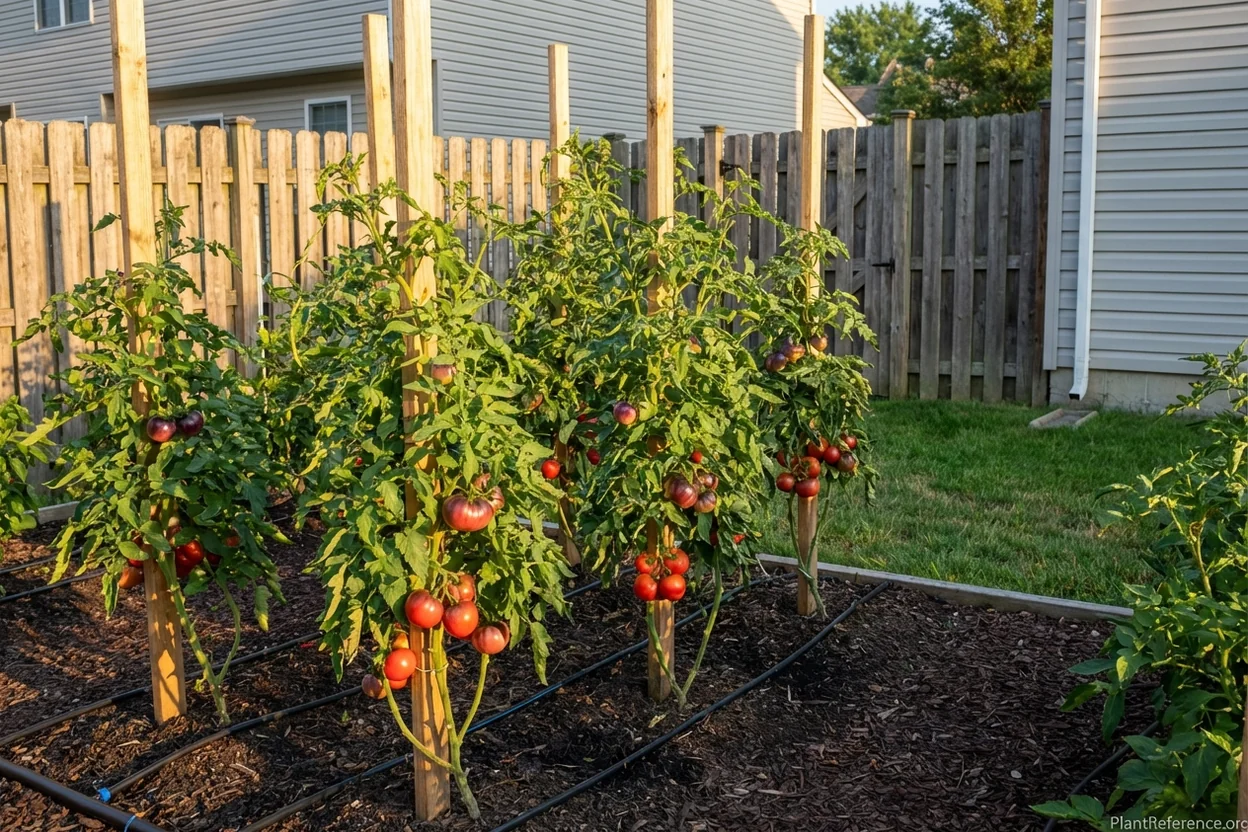
New York's humid conditions make proper spacing critical for air circulation and disease prevention.
Recommended spacing: - Indeterminate varieties: 36-42 inches (90-105 cm) apart - Determinate varieties: 24-30 inches (60-75 cm) apart - Row spacing: 4-5 feet (120-150 cm) for equipment access
Support requirements: - Install 6-8 foot (180-240 cm) stakes or cages at planting - Use Florida weave system for multiple plants - Prune to 2-3 main stems for better air circulation
Watering Strategies for Humid Conditions
New York's summer humidity creates unique watering challenges. While rainfall is typically adequate, inconsistent moisture leads to blossom end rot and cracking issues.
Optimal watering approach: - Deep, infrequent watering: 1-1.5 inches (2.5-4 cm) per week - Water at soil level to avoid wetting foliage - Install drip irrigation or soaker hoses for consistency - Mulch heavily with 3-4 inches (7-10 cm) of organic matter
Fertilization Program
New York's fertile soils often contain adequate nutrients, but the long growing season requires sustained feeding.
Recommended schedule: - Pre-plant: Incorporate 2-3 inches (5-7 cm) of compost - Week 3 after transplant: Apply balanced fertilizer (10-10-10) - Fruit set stage: Switch to lower nitrogen formula (5-10-10) - Monthly thereafter: Side-dress with compost or balanced organic fertilizer
Disease Management Protocol
Late blight (Phytophthora infestans) presents the greatest threat to New York tomato crops, particularly during humid August and September periods.
Preventive measures: - Choose resistant varieties when possible - Maintain excellent air circulation through spacing and pruning - Apply copper fungicide preventively starting in July - Remove lower leaves that contact soil - Water only at soil level, never on foliage
Troubleshooting New York-Specific Problems
New York's humid climate and urban environment create specific challenges that require targeted solutions.
Late Blight Management
Late blight devastated New York tomato crops in 2009 and remains a persistent threat during humid periods.
Identification: Dark, water-soaked spots on leaves that rapidly expand; white fuzzy growth on leaf undersides during humid mornings.
Management strategy: - Plant resistant varieties like 🌿Solanum lycopersicum 'Early Girl' - Begin preventive copper spray applications in mid-July - Remove affected plants immediately to prevent spread - Avoid overhead watering entirely during humid periods
Urban Heat Stress
Manhattan's heat island effect can push temperatures 5-10°F above surrounding areas, causing blossom drop and sun scald.
Solutions: - Use shade cloth (30-40%) during heat waves above 90°F - Provide afternoon shade in rooftop gardens - Increase watering frequency during extreme heat - Choose heat-tolerant varieties like 🌿Solanum lycopersicum 'Cherokee Purple'
Container Growing Challenges
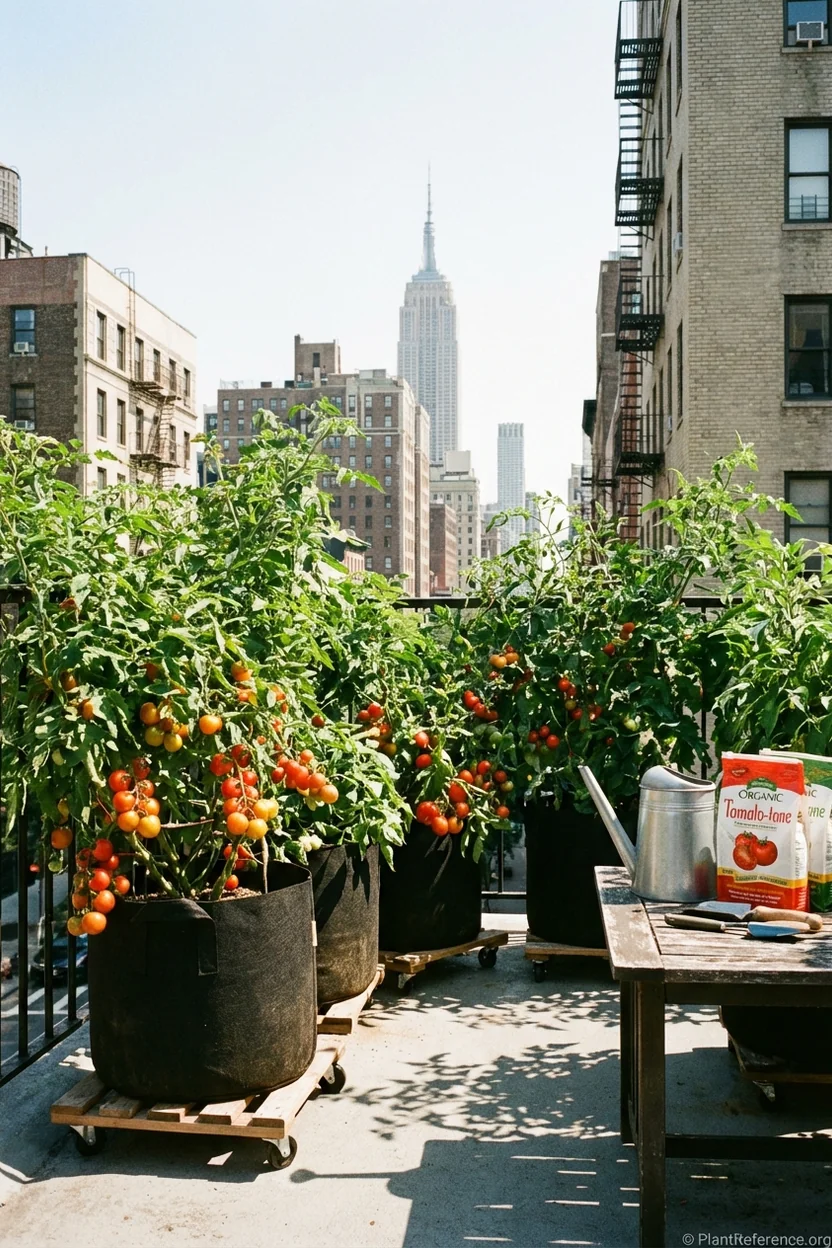
Many New York gardeners must grow in containers on rooftops, balconies, and fire escapes.
Container specifications: - Minimum 20-gallon (75L) containers for indeterminate varieties - Use high-quality potting mix with excellent drainage - Install casters for mobility during severe weather - Provide wind protection on high-rise balconies
Pollination Issues in Urban Areas
Urban environments can have reduced pollinator populations, affecting fruit set.
Enhancement strategies: - Hand pollinate flowers using small paintbrush - Shake plants gently daily during flowering - Plant pollinator-friendly flowers nearby - Avoid pesticide applications during flowering
Harvest & Storage
New York's long 200-day growing season allows for extended harvests from July through October, with proper variety selection and succession planting.
Harvest Timing Optimization
Early varieties (🌿Solanum lycopersicum 'Early Girl', 🌿Solanum lycopersicum 'Stupice'): Begin harvesting mid-July, continue through first frost.
Mid-season varieties (🌿Solanum lycopersicum 'Sungold'): Peak production August-September.
Late varieties (🌿Solanum lycopersicum 'Brandywine', 🌿Solanum lycopersicum 'Cherokee Purple'): Harvest begins late August, continues until frost.
Pre-Frost Harvest Strategy
When frost threatens (typically late October), harvest all mature green fruit for indoor ripening. New York's moderate indoor temperatures allow for extended ripening periods.
Ripening protocol:
Harvest mature green tomatoes before first frost
Store in single layers at 65-70°F (18-21°C)
Check daily and separate ripe fruit to prevent over-ripening
Properly stored green tomatoes can ripen for 4-6 weeks
Preservation Methods
New York's abundant harvests often require preservation. 🌿Solanum lycopersicum 'San Marzano' excels for sauce making, while 🌿Solanum lycopersicum 'Cherokee Purple' is ideal for fresh eating and short-term storage.
Recommended preservation:
Sauce varieties: Can or freeze as puree
Slicing varieties: Freeze in slices for winter cooking
Cherry varieties: Dehydrate for concentrated flavor
Green tomatoes: Pickle for extended storage
Frequently Asked Questions
Reading about plants and recognising them are different skills. These three build the second.
- Daily PlantIdentify the day’s mystery plant from a close-up photograph.
- Keyed OutWork a dichotomous key, lead by lead, to name a hidden specimen.
- Name That PlantName a specimen from botanical clues dealt hardest first.
Free to play, no account needed
Frank retired from the city parks department after 28 years, the last fifteen as a grounds supervisor overseeing park plantings and maintenance crews. He now spends his time volunteering at a local historic garden, maintaining his own half-acre property in the Roxborough neighborhood, and writing about landscape maintenance, seasonal timing, and the practical side of keeping plants healthy through Mid-Atlantic winters and humid summers. Frank knows what works at scale and what's a waste of time—he's planted thousands of trees and shrubs and watched plenty of them fail. His advice tends toward what's proven and durable rather than what's trendy.