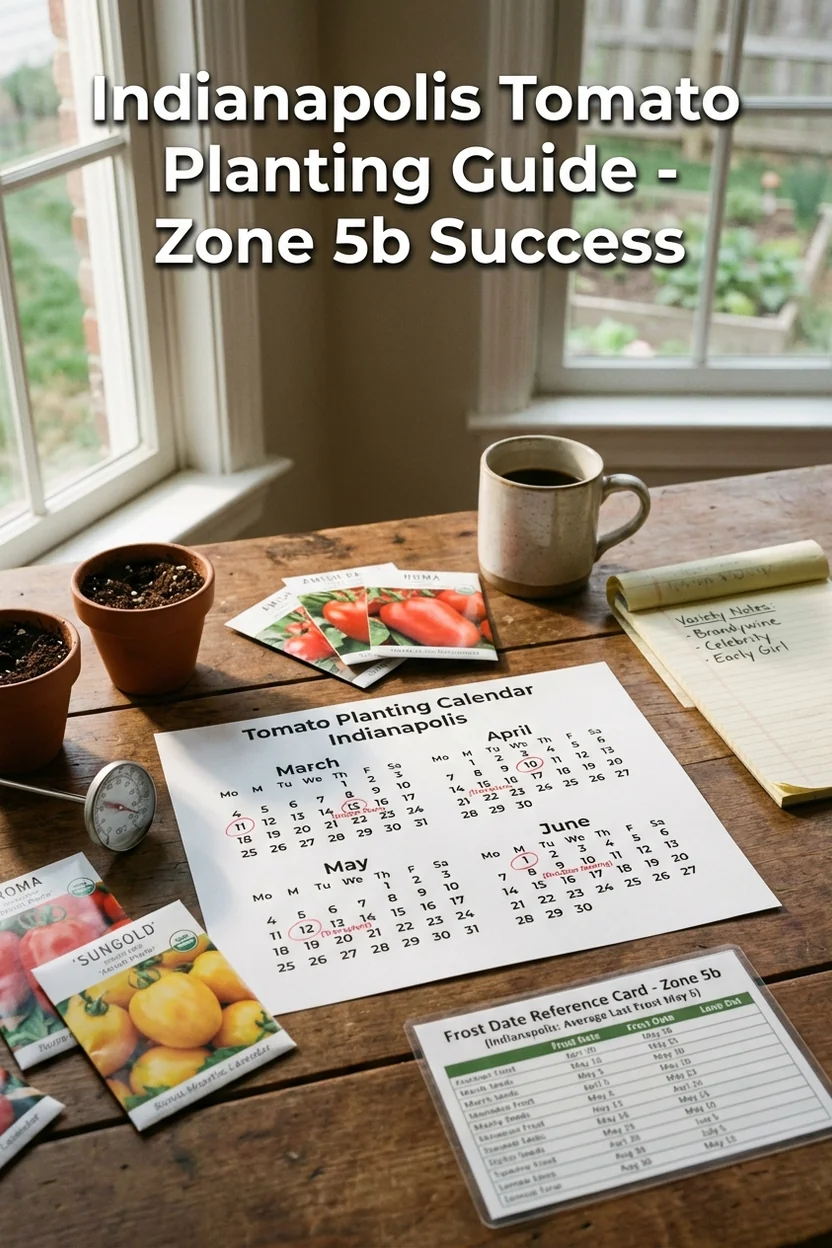
When to Plant Tomatoes in Indianapolis: Complete Guide + Best Varieties for Zone 5b
Pets & Toxicity
Recorded toxicity for plants linked in this guide. An unknown status is not a safety assessment.
Toxic to pets: Stupice tomato, early girl tomato, Sungold cherry tomato and 3 moreDetailsHide
Solanum lycopersicum 'Stupice' — Toxicity Warning
Toxic to petsView Solanum lycopersicum 'Stupice' plant profileSolanum lycopersicum 'Early Girl' — Toxicity Warning
Toxic to petsView Solanum lycopersicum 'Early Girl' plant profileSolanum lycopersicum 'Sungold' — Toxicity Warning
Toxic to petsView Solanum lycopersicum 'Sungold' plant profileSolanum lycopersicum 'Cherokee Purple' — Toxicity Warning
Toxic to petsView Solanum lycopersicum 'Cherokee Purple' plant profileSolanum lycopersicum 'San Marzano' — Toxicity Warning
Toxic to petsView Solanum lycopersicum 'San Marzano' plant profileSolanum lycopersicum 'Brandywine' — Toxicity Warning
Toxic to petsView Solanum lycopersicum 'Brandywine' plant profile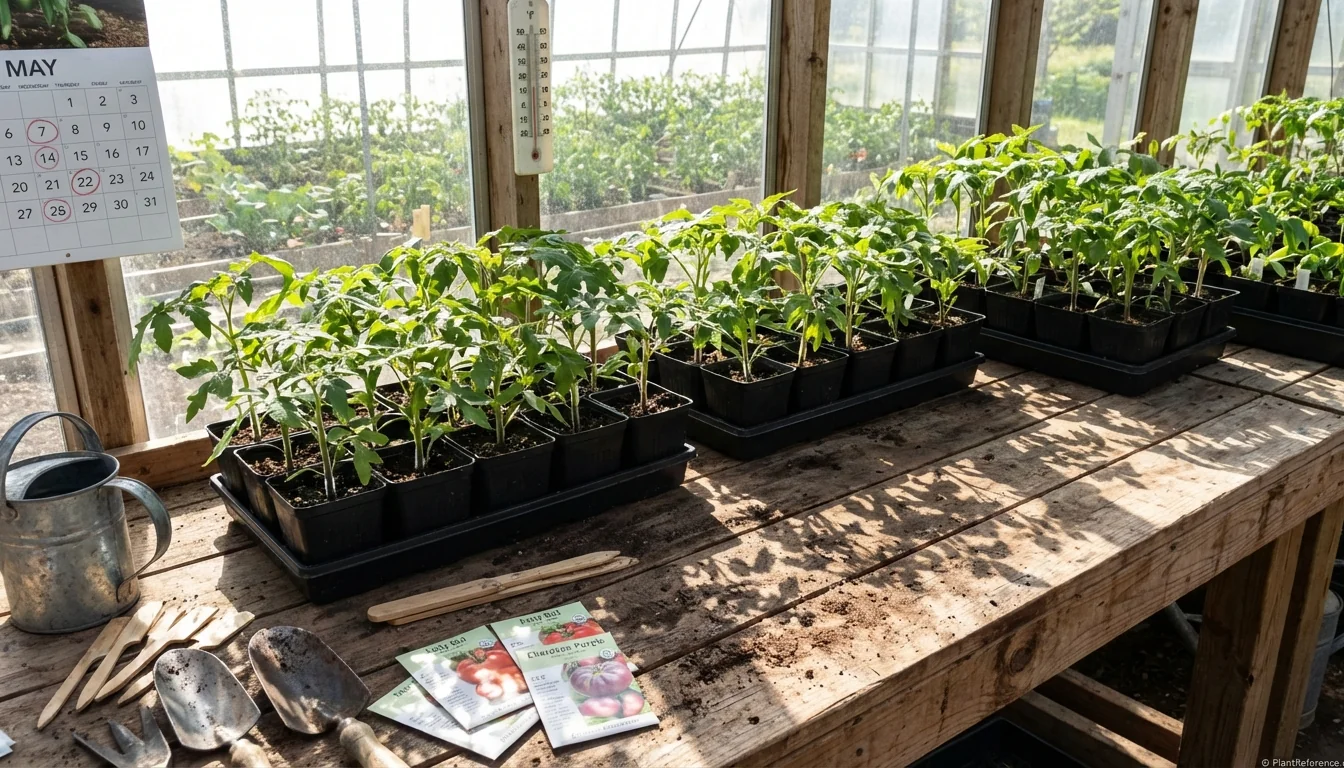
— Image © Plant Reference 2026
After forty years of growing tomatoes in the Midwest, I'll tell you what works in Indianapolis and what doesn't. Zone 5b gives us a decent 158-day growing season, but timing is everything. Plant too early and late frost kills your seedlings; plant too late and first frost in October ends your harvest before it really gets going.
Best Tomato Varieties for Indianapolis's Climate
Indianapolis gardeners need varieties that can handle our spring temperature swings and still produce before October's first frost. I've tested dozens of varieties over the years, and these six consistently perform in our Zone 5b climate.
'Early Girl': 50-62 days, sets fruit in cool weather
'Stupice': 52-60 days, cold-tolerant heirloom from Czech Republic
'Sungold': 55-65 days, sweet cherry variety with disease resistance
'Cherokee Purple': 75-90 days, excellent flavor but needs warm season
'San Marzano': 78-85 days, premium paste tomato for canning
'Brandywine': 80-100 days, exceptional flavor but challenging in short seasons
The key to success in Indianapolis is matching your variety choice to our growing season length. With 158 days from May 4 (last frost) to October 9 (first frost), we can grow most varieties, but the earlier ones give you more security.
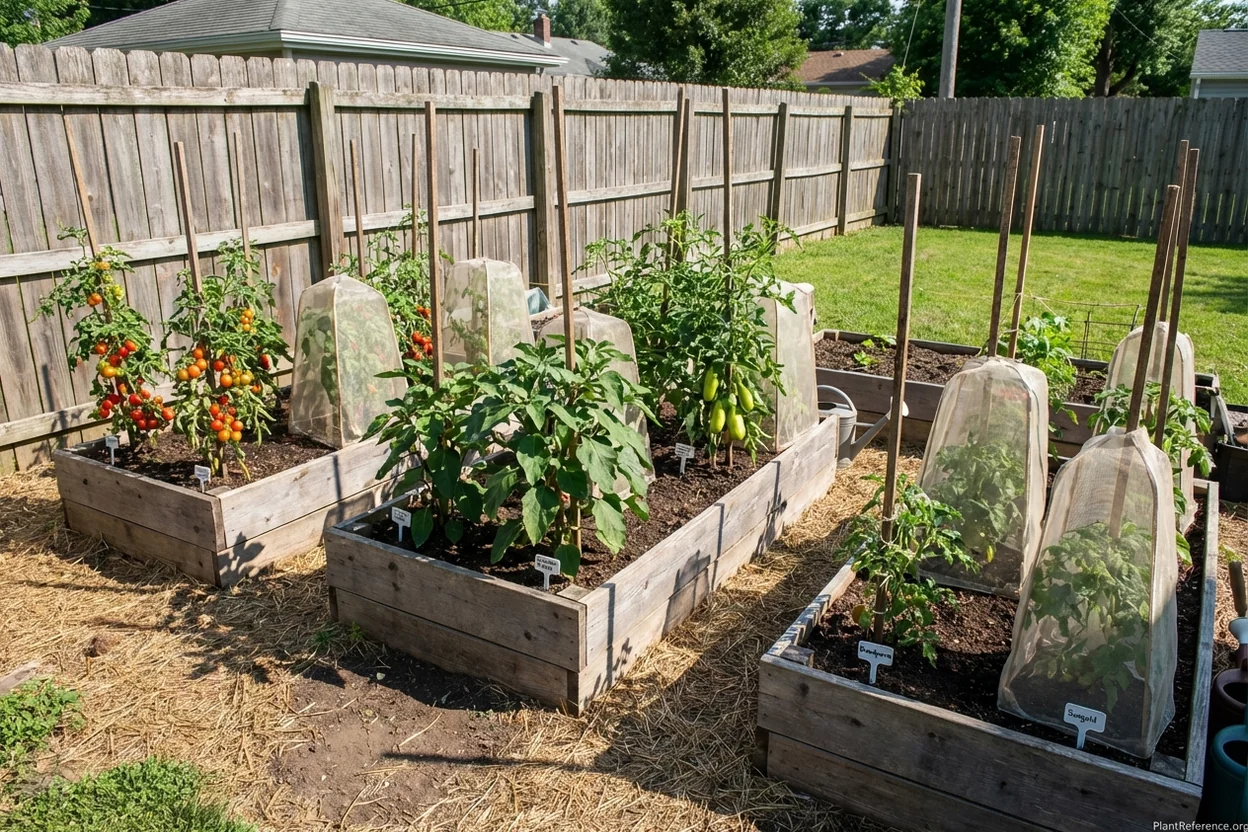
Here's how these varieties perform specifically in Indianapolis conditions:
Variety | Days to Maturity | Best For | Notes for Indianapolis |
|---|---|---|---|
50-62 days | Quick harvest | Perfect for Zone 5b short season, sets fruit at 40°F | |
52-60 days | Cold tolerance | Czech heirloom, handles spring temperature swings | |
55-65 days | Disease resistance | Cherry type, harvest before splitting rains | |
75-90 days | Exceptional flavor | Needs full season, plant early for success | |
78-85 days | Canning/sauce | Watch for blossom end rot in Indianapolis clay | |
80-100 days | Premium flavor | Challenging in Zone 5b, consider containers |
'Early Girl' and 'Stupice' are your insurance policies. Both set fruit at temperatures as low as 40°F, which matters when Indianapolis has those cool May and September nights. I've harvested ripe tomatoes from both varieties when other gardeners are still waiting for their first blush.
For flavor enthusiasts, 'Cherokee Purple' originated in the American Southeast but adapts well to our climate if you start early. The key is getting transplants in the ground by mid-May so the plants have time to establish before summer heat.
Understanding Indianapolis Microclimates
Indianapolis has several distinct growing microclimates that affect planting success. The urban heat island downtown adds 5-7 days to your growing season compared to outer suburbs. Areas near water features like the White River or Geist Reservoir moderate temperature swings.
If you're gardening in Broad Ripple, Fountain Square, or downtown, you can push planting dates 3-5 days earlier than suburban areas. Conversely, if you're in Carmel, Fishers, or other northern suburbs, stick to conservative dates—these areas often see frost 3-4 days after the official Indianapolis date.
Specific Planting Dates for Indianapolis
Here's your complete planting timeline for Indianapolis, based on our May 4 average last frost date and October 9 first frost:
Seed Starting Schedule
March 15-22: Start tomato seeds indoors for Indianapolis. This gives you 6-8 weeks of indoor growth before transplanting. I start my seeds on March 18—it's right in the sweet spot.
March 22-29: If you missed the first window, this is your backup. Seeds started this week will be ready to transplant by late May when soil temperatures are consistently warm.
Use a seed-starting mix and maintain 70-75°F soil temperature for germination. Indianapolis basements often run cool in March, so use a heating mat or place seed trays on top of the refrigerator.
Transplant Timeline
May 11-18: Transplant tomatoes outdoors in Indianapolis. This is one week after our average last frost date of May 4, providing a safety buffer for unexpected cold snaps.
May 18-25: Conservative planting window for risk-averse gardeners or if spring weather has been particularly unpredictable.
Soil Temperature Requirements
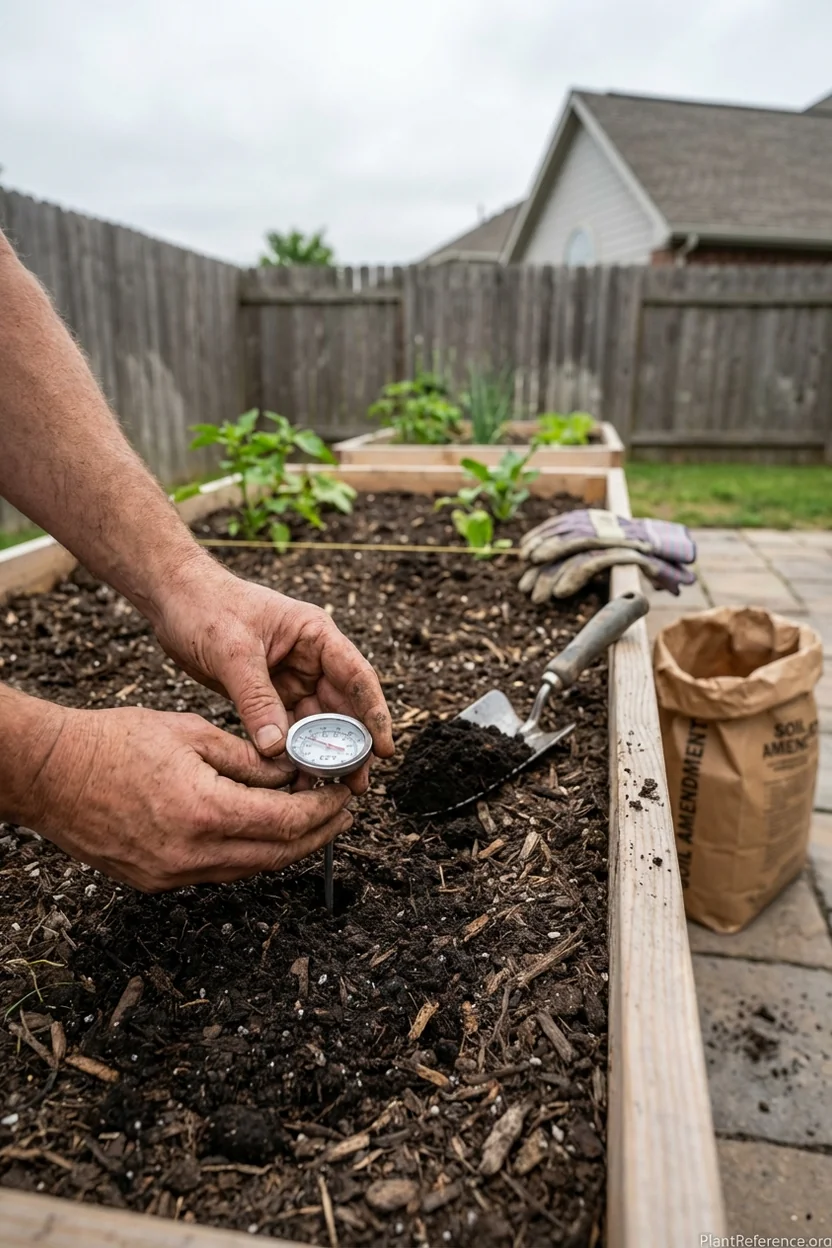
Wait until Indianapolis soil temperatures reach consistent 60°F (16°C) before transplanting. Cold soil stunts root development and makes plants susceptible to fungal diseases. I check soil temperature daily starting May 1—usually we hit consistent 60°F (16°C) around May 8-10.
Season Extension Options
Cold Frames: Start using cold frames March 1 to pre-warm soil and extend the season on both ends.
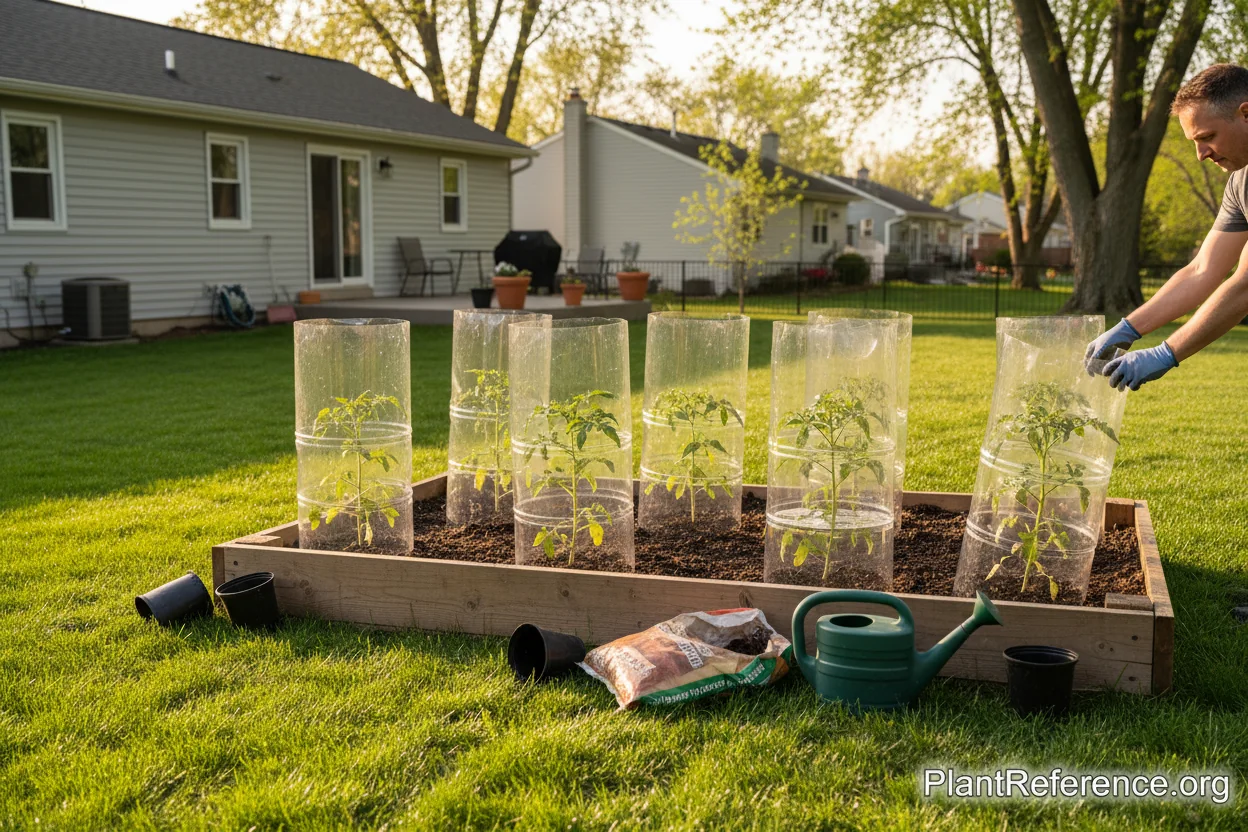
Wall O' Water: These water-filled protectors let you plant 2-3 weeks earlier than bare soil. Set them up around April 20-25 in Indianapolis.
Row Covers: Use floating row covers for unexpected late frost protection through mid-May.
Expected Harvest Dates
Based on Indianapolis planting dates, here's when to expect your first ripe tomatoes:
'Early Girl' & 'Stupice': First harvest July 4-15 (planting May 15 + 50-60 days)
'Sungold': First harvest July 10-20
'Cherokee Purple': First harvest August 1-15
'San Marzano' & 'Brandywine': First harvest August 15-September 1
Peak harvest for all varieties runs August 15-September 15 in Indianapolis. Plan preservation activities (canning, freezing, dehydrating) for this period.
Complete Growing Guide for Indianapolis
Soil Preparation for Indianapolis Gardens
Indianapolis sits on glacial till with heavy clay soil that drains poorly. Most neighborhoods have soil pH around 6.8-7.2, which is acceptable for tomatoes, but the drainage needs work.
Soil Amendment Strategy:
Add 2-3 inches (5-7 cm) of compost annually to improve clay soil structure
Work in coarse sand (not fine sand) to improve drainage
Consider raised beds if you have standing water issues
Test soil pH every 3 years—Indianapolis water is hard and can raise soil pH over time
I've gardened in Broad Ripple clay for thirty years. The key is never working wet clay soil—it forms concrete-hard clods that take years to break down. Wait until soil crumbles in your hand rather than forming a ball.
Planting Depth and Spacing
Planting Depth: Bury tomato stems deeply in Indianapolis—up to the first set of true leaves. This is especially important in our clay soil because it encourages strong root development before the soil becomes waterlogged during summer rains.
Spacing Requirements:
Determinate varieties: 24-30 inches (60-75 cm) apart
Indeterminate varieties: 30-36 inches (75-90 cm) apart
Allow 4-5 feet (120-150 cm) between rows for air circulation
Indianapolis humidity during July and August promotes fungal diseases. Proper spacing ensures air movement through the canopy.
Support Systems
Install support systems at planting time in Indianapolis. Our summer thunderstorms with 40+ mph winds will topple unsupported plants.
Staking Method: Use 8-foot (240 cm) wooden stakes or metal posts driven 18 inches (45 cm) into the ground. Indianapolis clay holds stakes well once established.
Caging Strategy: Choose cages at least 5 feet (150 cm) tall for indeterminate varieties. The short 3-foot cages sold at garden centers won't support plants through our 158-day growing season.
Watering Strategy for Indianapolis
Indianapolis averages 42 inches (107 cm) of rainfall annually, but it's unevenly distributed. We typically get heavy rains in April-May, then drier periods in July-August.
Deep Watering Technique: Water tomatoes deeply 1-2 times per week rather than frequent shallow watering. Clay soil holds moisture longer than sandy soil, so adjust accordingly.
Mulching Requirements: Apply 3-4 inches (7-10 cm) of straw or shredded leaf mulch around plants by June 1. This conserves moisture during dry spells and prevents soil splash that spreads disease.
Fertilization Schedule
Indianapolis clay soil often has adequate potassium but may lack readily available nitrogen and phosphorus.
Pre-Plant: Work 2-3 inches (5-7 cm) of aged compost into planting area
Monthly Feeding: Apply balanced fertilizer (10-10-10) monthly through August
Calcium Addition: Indianapolis water is hard (high calcium), so calcium deficiency is rare. Avoid adding lime unless soil test indicates need.
Pruning and Maintenance
Sucker Removal: Remove suckers (shoots growing between main stem and branches) weekly through July. This focuses energy on fruit production rather than excess foliage.
Bottom Pruning: Remove lower branches that touch the ground by mid-June. Indianapolis humidity makes ground-level foliage prone to fungal infection.
Top Pruning: Remove growing tips of indeterminate varieties by August 15. This forces plants to ripen existing fruit before October frost.
Troubleshooting Indianapolis-Specific Problems
Late Frost Damage (May 5-15)
Indianapolis occasionally sees frost after May 4. Watch weather forecasts closely through mid-May.
Symptoms: Blackened leaves, stems, or growing tips on recently transplanted tomatoes
Immediate Action: Cut damaged tissue back to healthy growth. Plants often recover from partial frost damage within 2-3 weeks
Prevention: Keep row covers handy through May 15. Cover plants when temperatures drop below 38°F
Clay Soil Drainage Issues
Indianapolis clay holds water longer than plants need, especially during wet springs.
Symptoms: Yellowing leaves starting from bottom, stunted growth, root rot
Solution: Improve drainage with raised beds or heavy organic matter additions. Never plant in standing water areas
Long-term Fix: Build raised beds 8-12 inches (20-30 cm) high filled with amended soil
Summer Disease Pressure
Indianapolis's humid summers promote bacterial and fungal diseases.
Early Blight: Brown spots with concentric rings appearing on lower leaves first
Septoria Leaf Spot: Small brown spots with light centers, affects mid and upper leaves
Prevention Strategy: Space plants widely, mulch to prevent soil splash, remove affected leaves immediately
Blossom End Rot
More common in Indianapolis clay soil due to inconsistent moisture levels.
Symptoms: Dark, sunken spots on bottom (blossom end) of developing fruits
Cause: Calcium uptake problems due to inconsistent watering in clay soil
Solution: Maintain consistent soil moisture, never let soil dry completely then flood with water
Harvest & Storage
Optimal Harvest Timing
Indianapolis tomatoes reach peak flavor when fully colored but still firm. Our clay soil and humid conditions mean fully ripe fruit often develops soft spots quickly.
Daily Harvest: Check plants daily from July 15 through September 30. Remove ripe fruit promptly to encourage continued production.
Green Tomato Harvest: Before first frost (typically October 5-9), harvest all green fruits larger than golf ball size. These will ripen indoors over 2-4 weeks.
Storage Methods for Indianapolis Harvests
Fresh Storage: Ripe tomatoes keep 5-7 days at room temperature in Indianapolis humidity. Refrigerate only if you must store longer than one week.
Green Tomato Ripening: Wrap green tomatoes individually in newspaper. Store in single layers in boxes at 60-65°F (16-18°C). Check weekly and remove ripe fruit.
Preservation: Peak preservation time in Indianapolis runs August 15-September 15 when plants produce fastest. Can, freeze, or dehydrate during this window.
End of Season Management
First Frost Preparation: Begin harvesting green fruit when nighttime temperatures consistently drop below 50°F (10°C) (typically late September).
Plant Cleanup: Remove spent plants immediately after first killing frost. Do not compost diseased plant material.
Soil Preparation: Cover beds with 4-6 inches (10-15 cm) of leaves or straw for winter protection. Indianapolis freeze-thaw cycles can damage unprotected soil structure.
Frequently Asked Questions
Reading about plants and recognising them are different skills. These three build the second.
- Daily PlantIdentify the day’s mystery plant from a close-up photograph.
- Keyed OutWork a dichotomous key, lead by lead, to name a hidden specimen.
- Name That PlantName a specimen from botanical clues dealt hardest first.
Free to play, no account needed
Priya is a soil scientist at an agricultural extension office who gardens on a quarter-acre suburban lot in Indianapolis. Her professional work focuses on soil health and nutrient management, which gives her a perspective most gardening writers don't have—she thinks about what's happening underground before worrying about what's happening above it. Priya maintains a large pollinator garden, grows herbs and vegetables, and is slowly converting her conventional lawn to a mix of native grasses and low-growing groundcovers. She writes about soil health, composting, fertilizer use, and building the kind of foundation that makes plants thrive without constant intervention.