When to Plant Tomatoes in Denver: Complete Guide + Best Varieties
Pets & Toxicity
Recorded toxicity for plants linked in this guide. An unknown status is not a safety assessment.
Toxic to pets: Stupice tomato, early girl tomato, Sungold cherry tomato and 3 moreDetailsHide
Solanum lycopersicum 'Stupice' — Toxicity Warning
Toxic to petsView Solanum lycopersicum 'Stupice' plant profileSolanum lycopersicum 'Early Girl' — Toxicity Warning
Toxic to petsView Solanum lycopersicum 'Early Girl' plant profileSolanum lycopersicum 'Sungold' — Toxicity Warning
Toxic to petsView Solanum lycopersicum 'Sungold' plant profileSolanum lycopersicum 'Cherokee Purple' — Toxicity Warning
Toxic to petsView Solanum lycopersicum 'Cherokee Purple' plant profileSolanum lycopersicum 'San Marzano' — Toxicity Warning
Toxic to petsView Solanum lycopersicum 'San Marzano' plant profileSolanum lycopersicum 'Brandywine' — Toxicity Warning
Toxic to petsView Solanum lycopersicum 'Brandywine' plant profile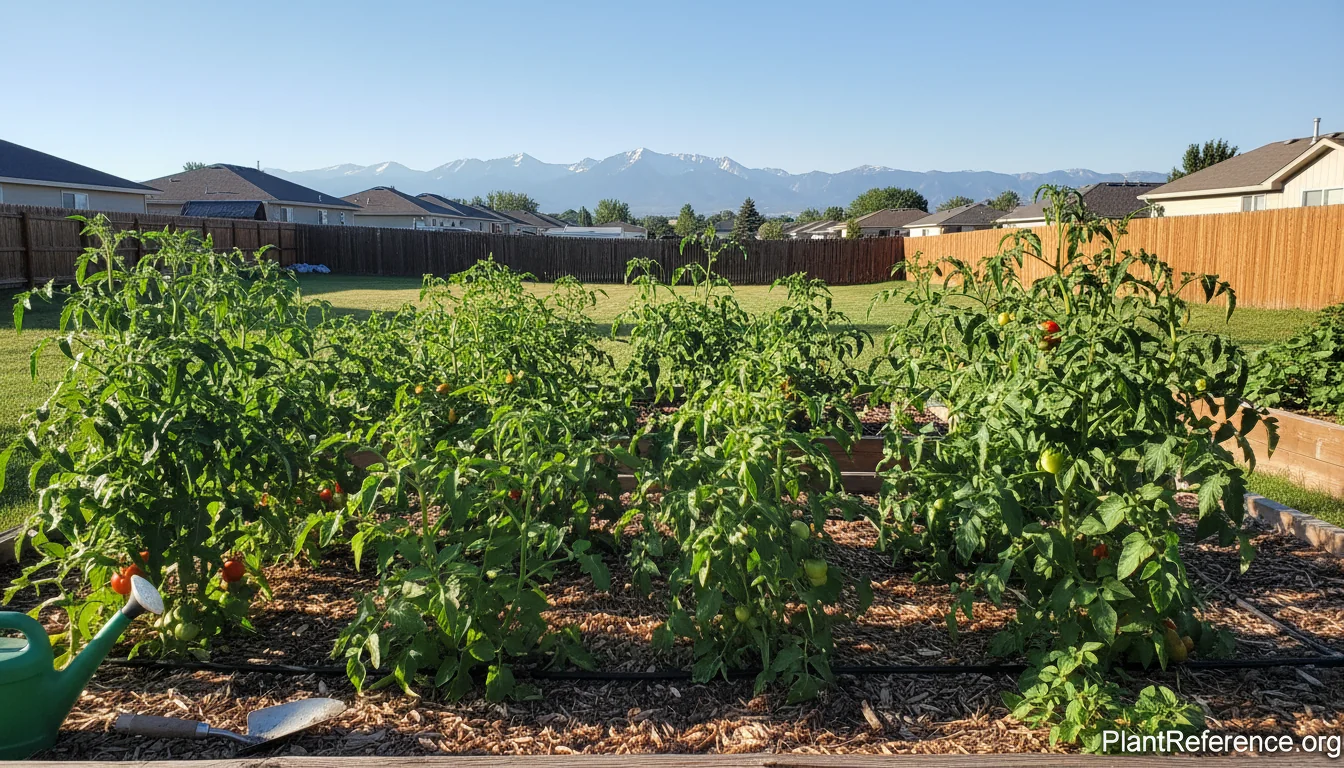
— Image © Plant Reference 2026
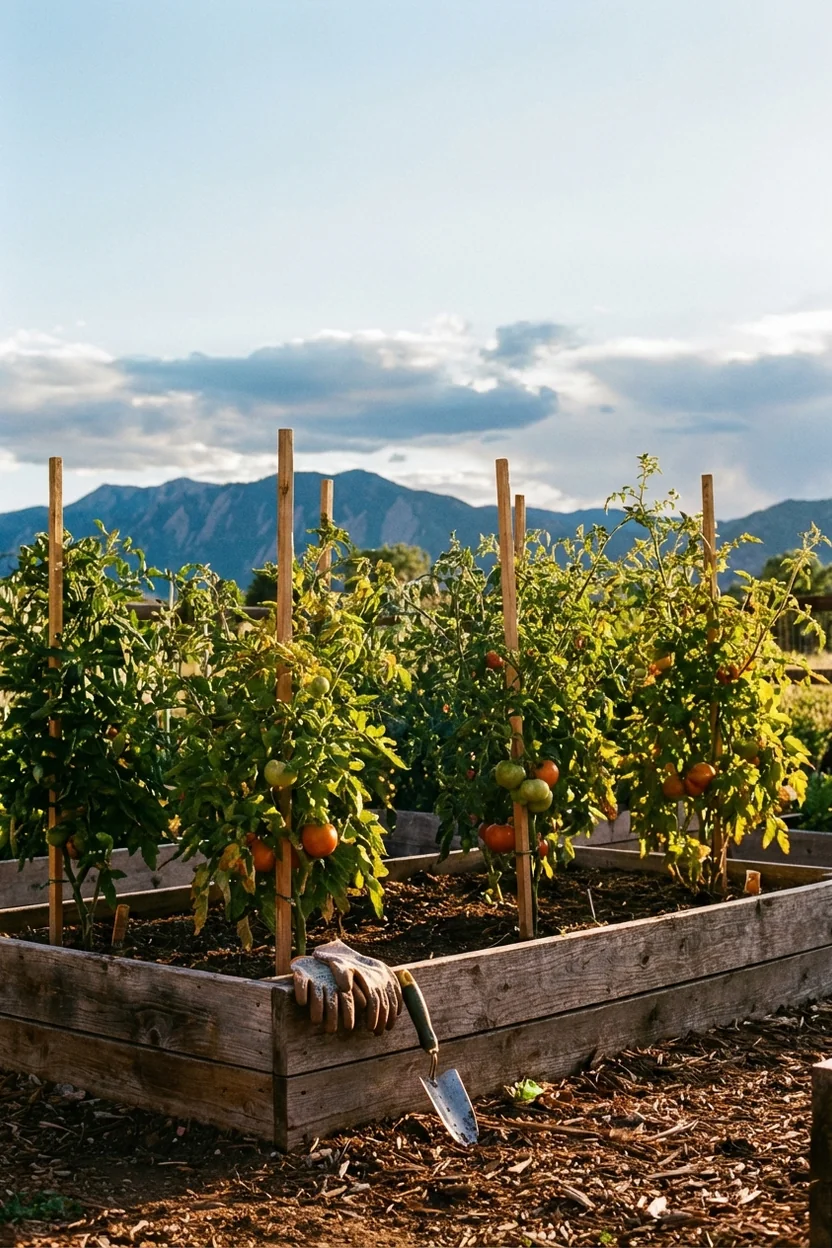
Denver's Zone 5a climate presents unique opportunities for tomato growing, despite the challenges of high altitude, intense UV radiation, and a relatively short 148-day growing season. The key to success lies in understanding how Colorado's dry air, dramatic temperature swings, and May 9 last frost date affect tomato cultivation. While Denver's growing season runs from May 9 to October 4, strategic variety selection and proper timing can yield exceptional harvests of flavorful tomatoes that thrive in the Mile High City's distinctive conditions.
Best Tomato Varieties for Denver's Zone 5a Climate
Denver's high altitude environment demands careful variety selection to maximize the 148-day growing window between the last spring frost and first fall frost. The combination of intense UV radiation, low humidity, and dramatic day-night temperature swings creates both challenges and opportunities for tomato cultivation.
Variety | Days to Maturity | Best For | Notes for Denver |
|---|---|---|---|
52-60 days | Quick harvest | Excellent cold tolerance, sets fruit at 45°F | |
50-62 days | Reliable production | Adapts well to altitude, disease resistant | |
55-65 days | Exceptional flavor | High sugar content, needs consistent water | |
75-90 days | Premium flavor | Requires season extension, prone to cracking | |
78-85 days | Processing/canning | Needs protection from intense UV | |
80-100 days | Heirloom flavor | Challenging in Denver, requires greenhouse |
For Quick Harvest Success
🌿Solanum lycopersicum 'Stupice' stands as the champion for Denver's challenging climate. This Czech heirloom was specifically bred for short seasons and demonstrates remarkable ability to set fruit when nighttime temperatures drop to 45°F (7°C). In Denver's variable spring weather, 'Stupice' continues producing when other varieties shut down.
🌿Solanum lycopersicum 'Early Girl' provides reliable backup with its proven track record in Colorado gardens. This hybrid's disease resistance package (VFF) protects against soil-borne issues common in Denver's clay soils, while its adaptability to temperature fluctuations makes it nearly foolproof for beginning gardeners.
For Best Flavor
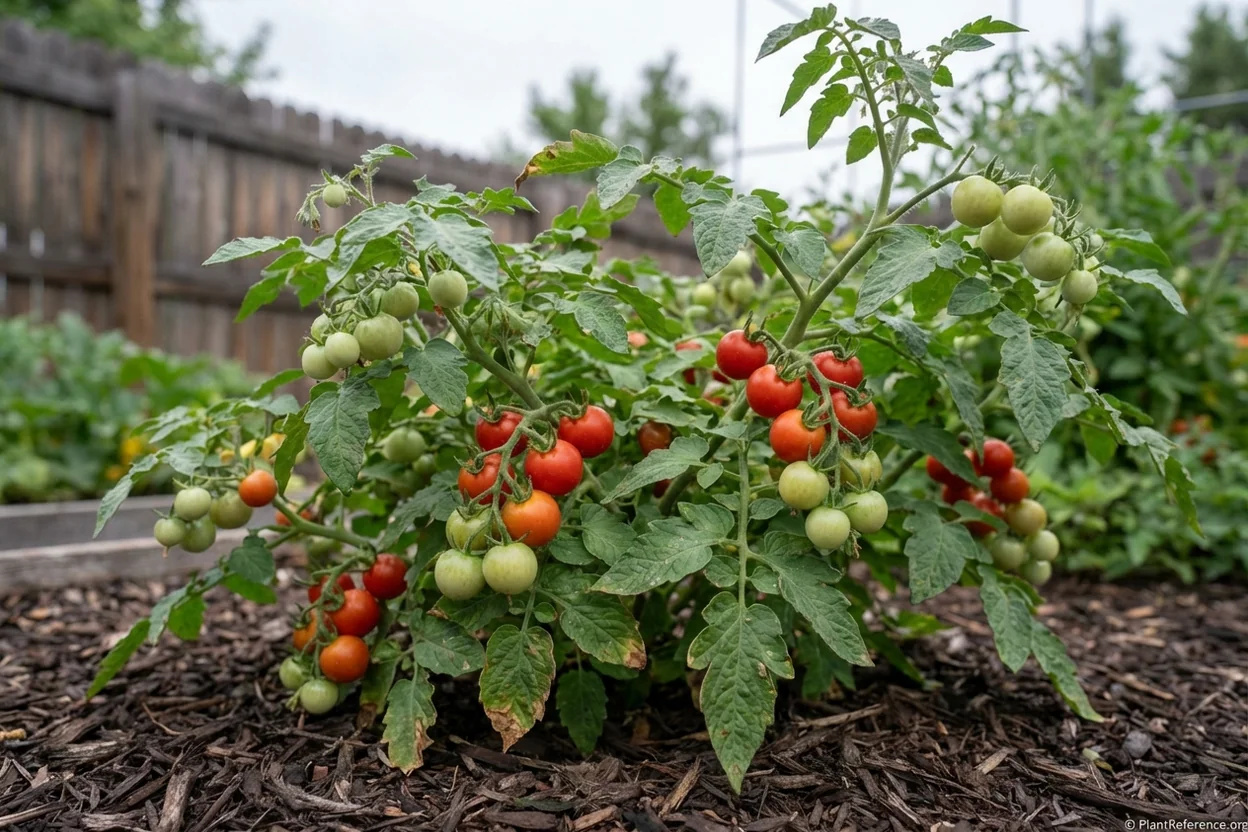
🌿Solanum lycopersicum 'Sungold' cherry tomatoes develop exceptional sweetness in Denver's high-altitude environment. The intense UV radiation increases sugar production, often pushing Brix levels above 10 degrees. However, the thin skin makes these prone to splitting during Denver's occasional summer thunderstorms.
🌿Solanum lycopersicum 'Cherokee Purple' represents the premium heirloom choice, though it requires careful management in Denver's Zone 5a climate. The variety's complex flavor profile—smoky, sweet, and rich—develops beautifully in Colorado's temperature differential between hot days and cool nights.
For Denver's Climate Challenges
Denver's 5,280-foot elevation creates unique growing conditions that affect tomato physiology. The thinner atmosphere allows more UV-B radiation to reach plants, potentially causing leaf burn but also intensifying flavors. Choose varieties with dense foliage like 🌿Solanum lycopersicum 'San Marzano' to provide natural fruit protection.
The dry air (often below 30% humidity) increases transpiration rates, making consistent watering critical. 🌿Solanum lycopersicum 'Early Girl' and 🌿Solanum lycopersicum 'Stupice' demonstrate superior drought tolerance once established.
For Beginners
Start with 🌿Solanum lycopersicum 'Early Girl' and 🌿Solanum lycopersicum 'Stupice' for your first Denver tomato garden. These varieties forgive timing mistakes, adapt to variable conditions, and provide harvest security within Denver's 148-day growing window.
Specific Planting Dates for Denver
Denver's May 9 last frost date anchors the entire tomato planting schedule, but successful cultivation begins much earlier with indoor seed starting to maximize the growing season.
Indoor Seed Starting
Start seeds indoors: March 28 - April 4
Begin seeds 6-7 weeks before the May 9 last frost date to ensure proper seedling development. Denver's intense spring sun can stress young seedlings, so avoid starting too early which creates leggy, weak plants.
Use bottom heat mats to maintain 75-80°F (24-27°C) soil temperature for optimal germination. Denver homes often experience cool indoor temperatures in March, making supplemental heat essential for successful seed starting.
Transplanting Outdoors
Transplant date: May 16 - May 23
Wait until one week after Denver's May 9 last frost date before transplanting. Late spring cold snaps occasionally drop temperatures into the 30s through mid-May, potentially damaging or killing young plants.
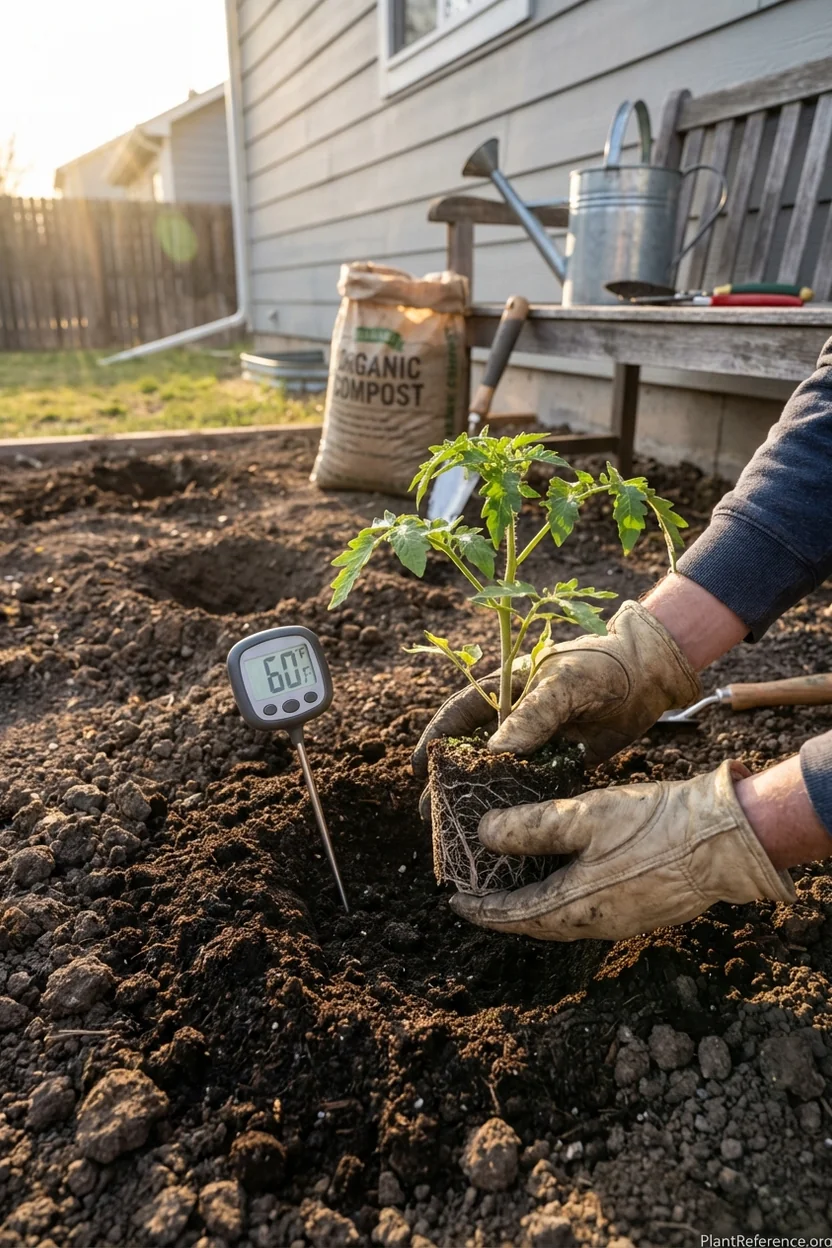
Soil temperature should reach 60°F (16°C) consistently before transplanting. Use a soil thermometer to verify temperatures at 4-inch depth, as Denver's clay soils warm slowly despite air temperature increases.
Harvest Timeline by Variety
Based on May 16 transplant date:
🌿Solanum lycopersicum 'Stupice': First harvest July 7-15 (52-60 days)
🌿Solanum lycopersicum 'Early Girl': First harvest July 5-17 (50-62 days)
🌿Solanum lycopersicum 'Sungold': First harvest July 10-20 (55-65 days)
🌿Solanum lycopersicum 'Cherokee Purple': First harvest July 30-August 14 (75-90 days)
🌿Solanum lycopersicum 'San Marzano': First harvest August 2-17 (78-85 days)
Fall Protection Strategy
Denver's October 4 average first frost date requires harvest planning. Begin picking green tomatoes by late September to ensure ripening before frost damage. Monitor weather forecasts closely, as early cold fronts occasionally arrive in mid-September.
Complete Growing Guide for Denver
Denver's high-altitude environment presents both advantages and challenges that require specific growing techniques adapted to Colorado's unique climate conditions.
Denver Climate Challenges
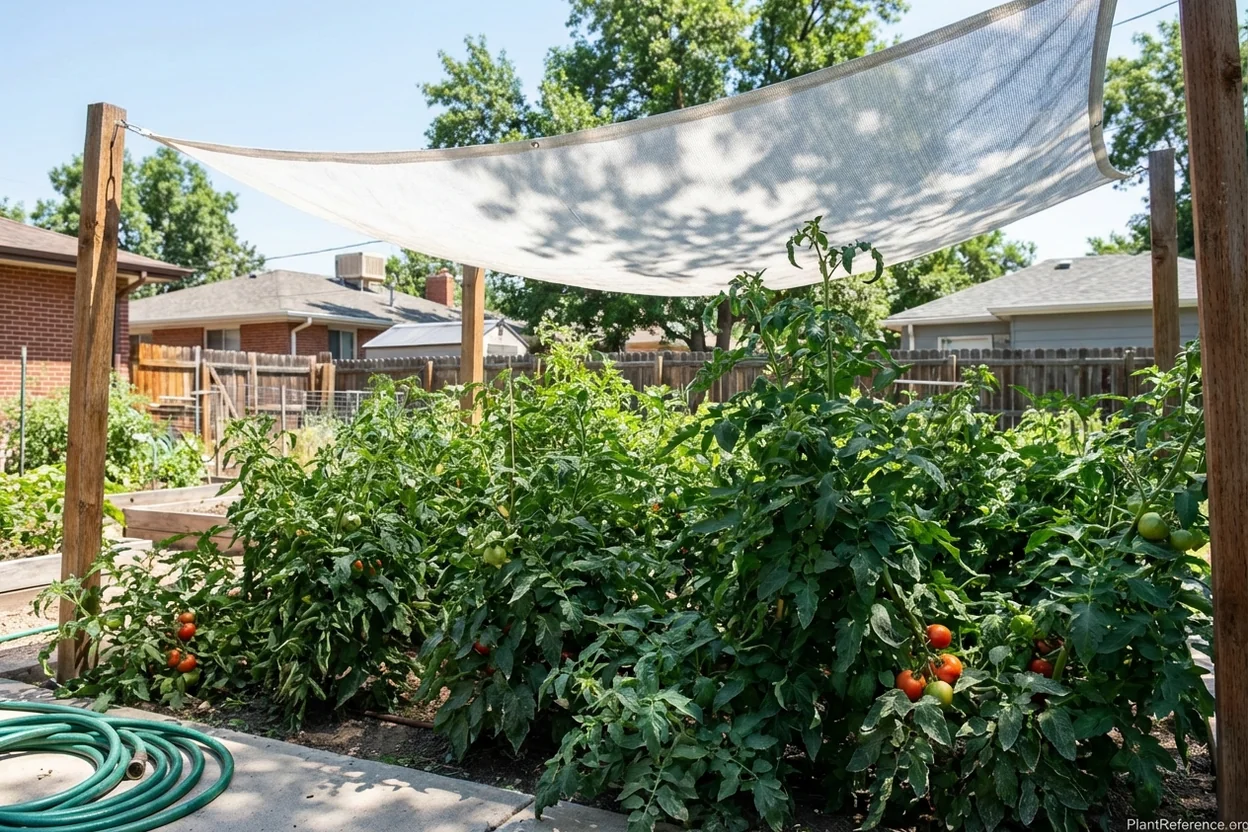
Intense UV Radiation: At 5,280 feet elevation, Denver receives 25% more UV radiation than sea-level locations. This benefits fruit flavor development but can cause leaf scorch and sunscald on exposed fruits. Provide afternoon shade or use shade cloth during heat waves exceeding 95°F (35°C).
Low Humidity: Denver's average 31% relative humidity increases plant water needs significantly. Tomato plants may require daily watering during hot, windy periods. Mulching becomes critical to retain soil moisture.
Temperature Extremes: Daily temperature swings of 30-40°F are common. Night temperatures below 55°F (13°C) prevent fruit set, while day temperatures above 95°F (35°C) cause pollen sterility. Row covers help moderate these extremes during shoulder seasons.
Clay Soil Drainage: Much of Denver sits on heavy clay soil that drains poorly. Amend with compost and create raised beds to improve drainage and prevent root rot issues common in waterlogged clay.
Week-by-Week Denver Growing Timeline
Weeks 1-2 (May 16-30): Focus on establishment. Water daily until roots extend beyond the planting hole. Watch for cutworm damage common in Denver gardens. Install cages or stakes immediately to prevent wind damage.
Weeks 3-6 (June 1-21): Rapid vegetative growth begins as soil warms. Begin weekly fertilization with balanced fertilizer. Prune suckers on indeterminate varieties. Monitor for aphids which thrive in Denver's dry conditions.
Weeks 7-10 (June 22-July 19): Flowering and fruit set period. Maintain consistent soil moisture to prevent blossom end rot. Hand-pollinate during windy periods when bee activity decreases.
Weeks 11-16 (July 20-August 30): Peak harvest period. Water deeply every 2-3 days rather than daily shallow watering. Harvest regularly to encourage continued production.
Weeks 17-20 (August 31-September 27): Late season management. Reduce watering to concentrate flavors. Remove lower leaves to improve air circulation and prevent late blight during Denver's monsoon season.
Denver-Specific Growing Techniques
Wind Protection: Denver's frequent winds, especially in spring, can damage young plants and interfere with pollination. Create windbreaks using row covers or strategic plant placement near fences.
Hail Protection: Summer hailstorms pose serious threats to tomato crops. Keep old blankets or tarps ready for quick deployment when storms approach. Some Denver gardeners install permanent hail netting over valuable plants.
Water Management: Denver's clay soil and dry air create unique watering challenges. Deep, infrequent watering (2-3 times weekly) develops stronger root systems than daily shallow watering. Drip irrigation works exceptionally well in Denver's climate.
Soil Preparation for Denver
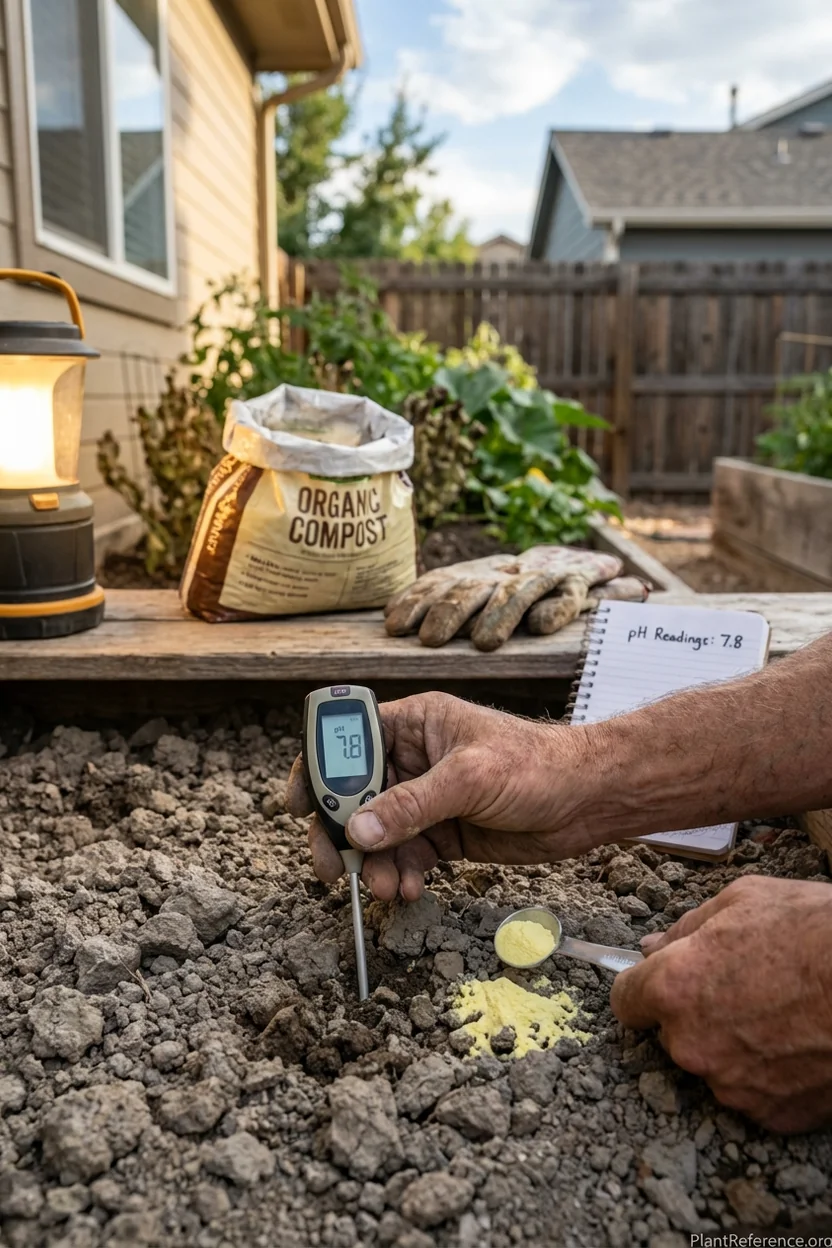
Denver's alkaline clay soil (pH 7.2-8.0) requires amendment for optimal tomato production. Add 2-3 inches of compost annually to improve drainage and lower pH. Sulfur applications help acidify soil gradually over multiple seasons.
Test soil pH annually, as Denver's alkaline conditions can lock out nutrients like iron and manganese, causing chlorosis in heavy-feeding varieties like 🌿Solanum lycopersicum 'Brandywine'.
Troubleshooting Denver-Specific Problems
Denver's unique high-altitude environment creates specific challenges that gardeners must understand and address proactively for successful tomato cultivation.
Sunscald and UV Burn
Why it happens in Denver: The thin atmosphere at 5,280 feet allows intense UV-B radiation to reach plants. This issue intensifies when temperatures exceed 95°F (35°C) during summer heat waves.
Symptoms: White or yellow patches on fruit surfaces exposed to direct afternoon sun. Leaves may show bleaching or bronze coloring on sun-facing sides.
Prevention: Install 30-50% shade cloth during heat warnings. Plant on east side of structures to receive morning sun but afternoon shade. Maintain dense foliage through proper fertilization—don't over-prune.
Solution: Once sunscald occurs, harvest affected fruits early and ripen indoors. Increase shade protection immediately to prevent further damage.
Blossom End Rot in Clay Soil
Why it happens in Denver: Clay soil retains water but releases it slowly, creating inconsistent calcium uptake. Denver's low humidity increases transpiration, further disrupting calcium transport to developing fruits.
Symptoms: Dark, sunken spots on blossom end (bottom) of fruits, particularly on 🌿Solanum lycopersicum 'San Marzano' and other paste varieties.
Prevention: Maintain consistent soil moisture through mulching and drip irrigation. Avoid cultivating around roots which damages feeder roots responsible for calcium uptake.
Solution: Remove affected fruits immediately. Install drip irrigation for consistent moisture delivery. Add gypsum (calcium sulfate) to improve calcium availability without raising soil pH further.
Wind Damage and Desiccation
Why it happens in Denver: Spring chinook winds and summer thunderstorm outflows can exceed 40 mph, breaking branches and increasing water stress through excessive transpiration.
Symptoms: Broken stems, leaf tattering, rapid wilting despite adequate soil moisture, poor fruit set during windy periods.
Prevention: Install sturdy cages or stakes at planting time. Use row covers during extreme wind events. Plant windbreaks of tall annuals like sunflowers on the west side of tomato beds.
Solution: Support damaged plants immediately with additional stakes. Increase watering frequency after wind events to replace lost moisture.
Harvest & Storage
Denver's 148-day growing season requires strategic harvest planning to maximize yield before the October 4 average first frost date arrives.
Signs of Readiness
Tomatoes grown in Denver's intense UV environment often develop superior flavor compared to sea-level production. Look for the "breaker" stage when fruits show first color change—they'll ripen perfectly indoors while avoiding late-season weather damage.
🌿Solanum lycopersicum 'Stupice' and 🌿Solanum lycopersicum 'Early Girl' varieties can continue ripening on the vine through September's cool nights, often improving in flavor as night temperatures drop into the 50s (10-15°C).
Harvest Technique
Pick tomatoes during morning hours when plants are fully hydrated. Denver's dry air can cause afternoon wilting that makes fruits more susceptible to handling damage.
For varieties prone to cracking like 🌿Solanum lycopersicum 'Cherokee Purple', harvest at the first sign of color change to prevent split fruits during Denver's variable September weather.
Expected Harvest Window in Denver
Early varieties (🌿Solanum lycopersicum 'Stupice', 🌿Solanum lycopersicum 'Early Girl'): July 7 through October 4 (12-13 weeks)
Mid-season varieties (🌿Solanum lycopersicum 'Sungold'): July 10 through September 30 (11-12 weeks)
Late varieties (🌿Solanum lycopersicum 'Cherokee Purple', 🌿Solanum lycopersicum 'San Marzano'): July 30 through September 25 (8-9 weeks)
Storage Recommendations
Denver's dry climate naturally dehydrates harvested tomatoes quickly. Store ripe fruits in humid conditions (vegetable crisper) to prevent shriveling. Green tomatoes ripen well in Denver homes due to consistent indoor temperatures.
For processing varieties like 🌿Solanum lycopersicum 'San Marzano', Denver's dry air makes dehydrating and sun-drying exceptionally effective preservation methods.
Frequently Asked Questions
Reading about plants and recognising them are different skills. These three build the second.
- Daily PlantIdentify the day’s mystery plant from a close-up photograph.
- Keyed OutWork a dichotomous key, lead by lead, to name a hidden specimen.
- Name That PlantName a specimen from botanical clues dealt hardest first.
Free to play, no account needed
Tagged with
Nathan is a garden designer in Denver who focuses on water-wise plantings adapted to Colorado's Front Range climate. He grew up in Nebraska, studied environmental science in college, and fell into garden design after spending summers working at a native plant nursery in Fort Collins. Denver's climate is genuinely challenging—low humidity, intense UV, alkaline clay soil, and wild temperature swings that can go from 70°F to snow in 24 hours. Nathan designs gardens that handle all of that without supplemental irrigation once established. He writes about xeric gardening, native plant selection for the Front Range, and the practical realities of high-altitude growing.